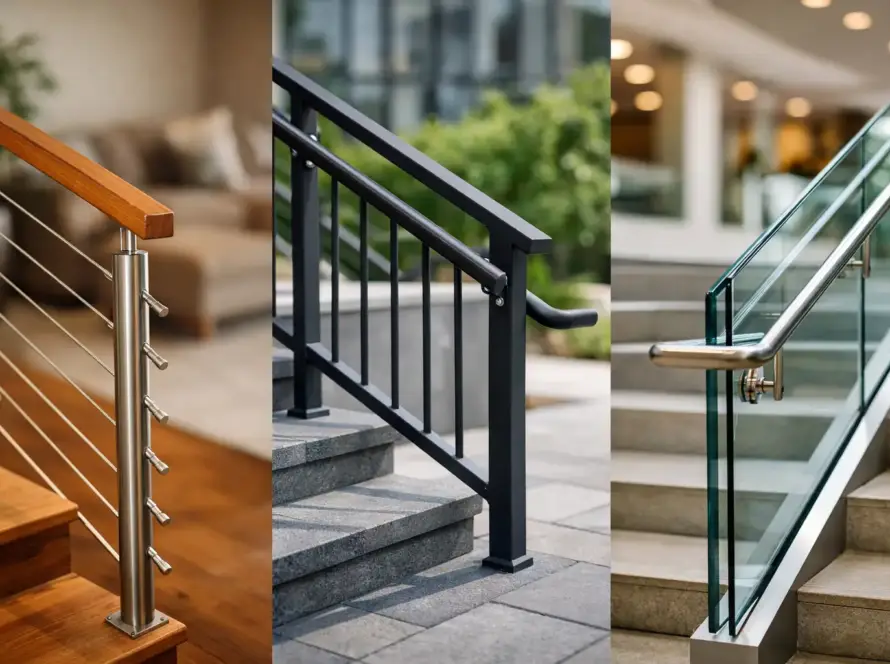
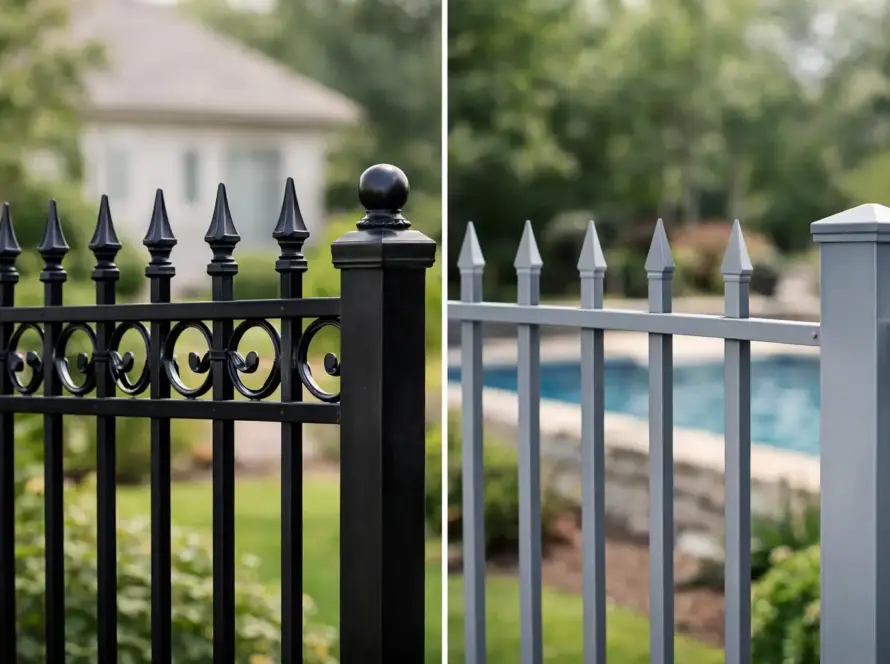
A loose rail on exterior steps is easy to ignore until someone grabs it and it shifts under full body weight. That is usually when outdoor stair handrail installation stops being a small improvement and becomes a real safety priority. For homeowners, landlords, and commercial property owners, the right handrail does more than finish the look of a stairway. It helps prevent falls, supports code compliance, and gives people confidence every time they use the steps.
Why outdoor stair handrail installation matters
Exterior stairs take more abuse than most people realize. Sun, moisture, temperature changes, foot traffic, and shifting concrete all work against the strength of the rail over time. A handrail that looked fine a few years ago can become unstable at the base, pull away from the wall, or start rusting at connection points.
That matters for obvious safety reasons, but there is also a liability side to it. If you manage a rental property, apartment building, storefront, or office entrance, a weak or missing rail is not just an inconvenience. It can create a serious risk for tenants, visitors, customers, and delivery crews. Even at a single-family home, outdoor steps should feel solid and secure for children, older adults, and anyone carrying groceries or packages.
A properly installed rail also improves the overall appearance of the property. Clean lines, straight posts, and durable finishes make exterior stairs look maintained rather than patched together. Good workmanship shows.
What a good outdoor stair handrail installation should include
A handrail is only as good as its anchoring, layout, and material choice. Many problems start when someone focuses on the rail itself and overlooks the structure supporting it. If the posts are not set correctly or the mounting hardware is not appropriate for the stair surface, the finished rail may look acceptable at first but fail early.
A solid installation starts with accurate measurements and the correct pitch to match the stairs. The rail should feel natural in the hand, sit at a consistent height, and remain rigid from top to bottom. Mounting points need to be secure, especially on concrete steps, masonry landings, or framed stair assemblies exposed to weather.
Drainage and finish matter too. Water intrusion around fasteners, poor weld protection, and low-grade coatings are common reasons outdoor rails deteriorate faster than expected. In Southern California, harsh winters may not be the main issue, but sun exposure and coastal moisture can still shorten the life of the wrong material.
Choosing the right material for exterior handrails
Material selection depends on the property, the style you want, and how much maintenance you are willing to handle. There is no one-size-fits-all answer.
Iron handrails are a strong choice when you want durability and a more substantial look. They work well on residential entries, apartment walkways, and commercial access points. Custom iron can also be fabricated to match gates, fencing, or existing architectural details. The trade-off is that iron needs proper finishing and periodic maintenance to resist rust, especially in exposed locations.
Steel is another durable option and is often selected for strength and clean, straightforward design. It performs well when fabricated and coated correctly. For higher-use properties, that extra toughness can be worth it.
Aluminum is lighter and naturally more resistant to corrosion, which makes it attractive for some outdoor applications. It can be a practical choice where a lower-maintenance system is the priority, though it may not offer the same visual weight or custom fabrication flexibility as iron in certain designs.
Cable railing systems can create a more open, modern appearance, particularly on decks, elevated walkways, and stairways where preserving sightlines matters. They can look excellent, but they need precise installation and tensioning. They are not the kind of system you want installed casually or without experience.
Code, safety, and why details matter
One of the biggest mistakes with outdoor stair handrail installation is assuming that if a rail feels sturdy, it must be acceptable. In reality, code-related details can affect height, spacing, graspability, continuity, and load resistance. These standards can vary based on whether the project is residential or commercial, how many steps are involved, and where the stairway is located.
That does not mean every property owner needs to memorize building requirements. It does mean the installer should understand them and apply them correctly. A handrail that is too low, too bulky to grip comfortably, or interrupted at a critical point can create problems even if it looks well built.
This is especially important for apartment buildings, retail entrances, side-yard access stairs, and any path used regularly by the public or by multiple households. Code compliance is part of the job, not an upgrade.
Common problems with poorly installed exterior handrails
Most bad rail jobs fail in predictable ways. The posts may be out of alignment, which makes the whole system look off and can affect strength. Fasteners may loosen because they were installed into weak material or with the wrong anchors. Welds may not be properly finished, leading to rust around joints. Sometimes the rail is simply placed at the wrong angle and feels awkward to use.
There is also the issue of movement. A little wobble is not normal. If a rail shifts when pulled, that usually points to a base connection problem or weak structural support underneath. Cosmetic touch-ups will not fix that.
In some cases, property owners try a quick patch because it seems cheaper in the moment. That can make sense for minor maintenance, but if the rail has underlying structural issues, repair work may only delay a full replacement. A straightforward assessment is the best place to start.
When repair makes sense and when replacement is smarter
Not every handrail needs to be torn out. If the rail itself is still sound and the issue is limited to surface rust, loose hardware, or isolated damage, a professional repair may be enough. Rewelding, refinishing, or resetting a section can restore safety and extend service life.
Replacement makes more sense when the rail design is outdated, the dimensions do not meet current needs, the base attachments have failed repeatedly, or corrosion has spread into critical areas. If multiple parts are compromised, putting more money into patchwork often costs more over time.
For commercial properties and multi-unit housing, replacement can also be the better decision when appearance matters. A freshly installed handrail presents better than one that has been repaired several times and still looks tired.
What to expect from a professional installation process
A proper installation should begin with an on-site evaluation. The stair layout, rise and run, surface condition, and surrounding structure all affect the best approach. This is also when material options, design preferences, and practical concerns should be discussed clearly.
After measurements are taken, fabrication should match the actual field conditions rather than generic assumptions. Exterior stairs are rarely as uniform as they appear from a distance. Good fabrication accounts for that, which helps the rail fit correctly and reduces installation issues.
On installation day, the focus should be on secure anchoring, clean alignment, and a finished result that feels solid immediately. This is not just about attaching metal to concrete. It is about making sure the complete system performs the way it should under daily use.
Clear communication matters throughout the project. Property owners should know what is being installed, how it will be mounted, and what kind of maintenance will help protect the investment after the work is done.
Outdoor stair handrail installation for homes and commercial properties
Residential projects often focus on a balance of safety and curb appeal. Homeowners usually want a rail that matches the style of the home while making front steps, backyard stairs, or side access routes safer to use.
Commercial and multi-family projects tend to put more emphasis on heavy use, liability reduction, and consistent appearance across the property. Those jobs may require tougher materials, more extensive fabrication, or a design that coordinates with fencing, gates, and security features already in place.
That is where working with an experienced exterior contractor makes a difference. A company like Hawklink Fences understands that a handrail is not a standalone detail. It is part of the way a property looks, functions, and protects the people using it every day.
If your exterior stairs feel questionable, the smartest move is not to wait for them to become an urgent problem. A strong, properly installed handrail brings peace of mind every time someone reaches for support, and that is one upgrade that earns its value with every single step.