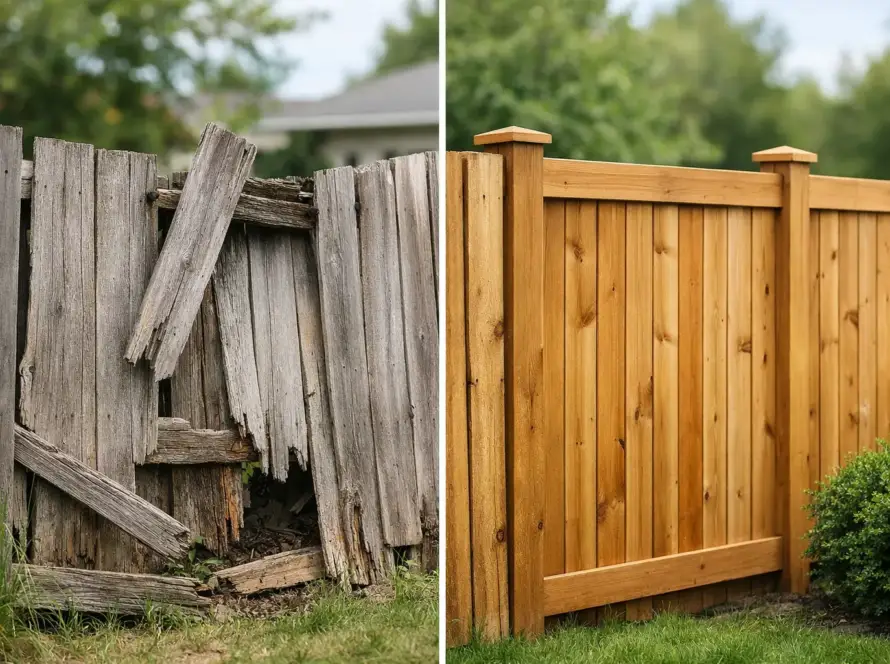
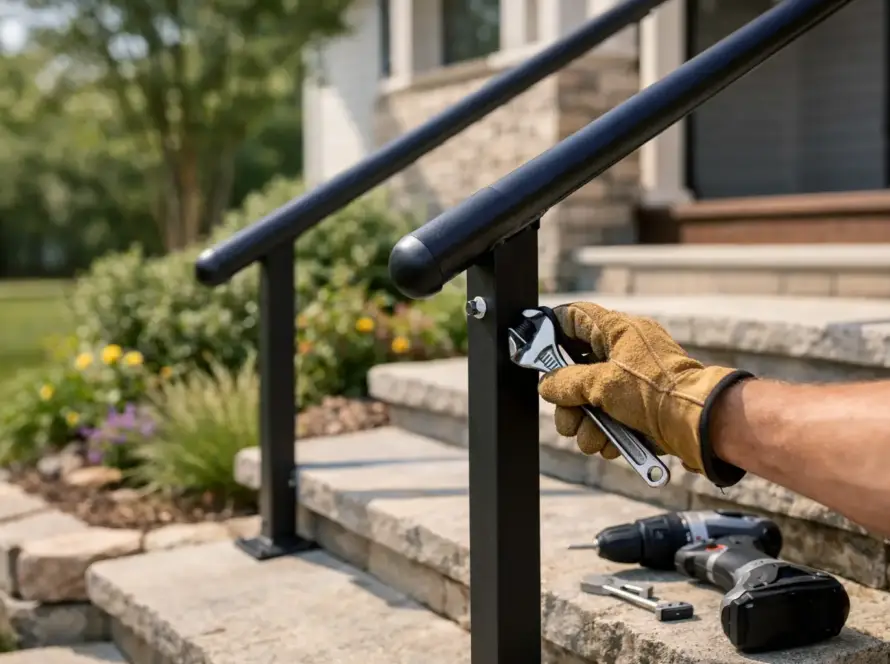
A fence can either slow someone down or practically invite them in. That is the real difference homeowners need to think about when choosing the best fence for home security. Appearance matters, but if security is the priority, the right fence needs to do more than mark the property line. It should create a clear barrier, limit access, and hold up over time without becoming a maintenance problem.
What makes the best fence for home security?
The best security fence is not always the tallest or the most expensive. It is the one that fits the layout of the property, reduces easy entry points, and stays strong year after year. A good security fence does four jobs well. It creates a physical obstacle, makes climbing more difficult, supports secure gate access, and gives you clear visibility where needed.
That last point matters more than many people expect. A fence that completely blocks the view can add privacy, but it can also create hiding spots near gates, side yards, or corners of the property. In some cases, a more open design gives better security because it allows homeowners, neighbors, or cameras to see what is happening.
Material also matters. Some fences look solid on day one but weaken fast in harsh sun, moisture, or everyday wear. In Southern California, a security fence should be able to handle heat, dry conditions, and regular use without warping, loosening, or becoming easy to breach.
Comparing the best fence types for home security
There is no single answer for every property. The best choice depends on whether you want maximum strength, more privacy, lower maintenance, or a balance of all three.
Wrought iron and ornamental iron fences
For many homes, iron is one of the strongest options available. A well-built iron fence is difficult to cut, hard to break, and much less appealing to climb when it is designed correctly. Vertical pickets, narrow spacing, and a height of at least six feet can make iron a strong security choice without making the property feel closed off.
Iron also works well when visibility is important. You can see through it, which helps with monitoring the front yard, entry path, and driveway. That can be a big advantage for homes using cameras, motion lighting, or controlled gate access.
The trade-off is privacy. If your main goal is to block visibility from the street, iron alone may not give you what you want. It also needs proper finishing and quality installation to resist rust and wear over time.
Chain link fencing
Chain link is often overlooked because people associate it with utility rather than style, but from a practical security standpoint, it can be very effective. It is durable, cost-efficient, and hard to push through when installed with the right framework and gauge. For side yards, rental properties, rear perimeters, and larger lots, chain link can be a smart choice.
The downside is that standard chain link is climbable. That does not make it a poor option, but it does mean design choices matter. Taller heights, secure top rails, strong posts, and controlled gate hardware all improve performance. For some residential properties, chain link is best used where function matters more than curb appeal.
Wood fencing
Wood can provide excellent privacy, which many homeowners value. A tall wood fence can block sightlines and create a clear boundary around a backyard. That said, privacy and security are not exactly the same thing.
A wood fence can be easier to damage than iron or steel-based systems, especially if the boards loosen, the posts age poorly, or the structure is not reinforced well. It can still work for home security, but it needs quality construction and ongoing maintenance. If the fence starts leaning, warping, or separating at the panels, its security value drops fast.
For homeowners who want wood, the better approach is to focus on solid posts, quality framing, minimal footholds, and secure gates. The look can be attractive, but the build quality is what determines whether it truly helps protect the property.
Vinyl fencing
Vinyl is popular because it looks clean and requires less maintenance than wood. It can work well for privacy and general boundary definition, but it is not usually the first choice when security is the top priority. Some vinyl styles can crack under impact, and not all systems offer the same structural strength.
That does not mean vinyl is a bad product. It just means it is often better for low-maintenance privacy than for high-security protection. If a homeowner wants vinyl, it is worth paying close attention to the internal support structure and gate strength.
Steel and aluminum fencing
Steel is strong and highly suitable for security-focused applications. Aluminum can also perform well, especially when corrosion resistance and appearance are priorities. Between the two, steel usually has the edge in raw strength. Aluminum offers easier maintenance and a cleaner finish but may not provide the same level of impact resistance.
For homes that want a refined look without sacrificing security, metal fencing is often the best middle ground. Much depends on the gauge, spacing, height, and quality of the installation.
Height, spacing, and design details matter
When people ask about the best fence for home security, they often focus only on material. In practice, design details are just as important.
Fence height plays a major role. A short decorative fence might look nice, but it will not do much to deter entry. In most residential settings, six feet is a common starting point for meaningful security. In some cases, especially around side or rear property lines, taller fencing may make more sense if local codes allow it.
Picket spacing matters too. Wide gaps can make a fence easier to squeeze through or climb. Narrow vertical spacing is usually better. Horizontal rails on the outside of a fence can also create footholds, which is why many security-minded designs avoid them or place them on the interior side.
Fence tops also deserve attention. Flat, easy-to-grab tops make climbing simpler. Spear-top iron or other anti-climb styles can improve security, although the design should still fit the home and local code requirements.
Do not ignore the gate
A strong fence with a weak gate is a common mistake. If the gate sags, rattles, or fails to latch properly, it becomes the easiest access point on the property.
A security-minded gate should have a sturdy frame, reliable hinges, and hardware that can handle regular use. For driveway gates or pedestrian entries, controlled access features can add another layer of protection. Even a simple lockable latch, when installed correctly, makes a real difference.
This is also where professional fabrication can matter. Custom gates are often the best solution when the opening is unusual, the slope is challenging, or the homeowner wants a more secure fit than an off-the-shelf option can provide.
Privacy versus visibility
Many homeowners want both. That is understandable, but there is usually a trade-off.
A fully private fence can keep your yard out of view, which feels more secure. At the same time, it can reduce natural surveillance from the street or neighboring homes. An open-style fence improves visibility but gives less privacy.
The right answer depends on the part of the property. Front yards often benefit from more visible fencing paired with a secure gate. Backyards and side yards may call for more privacy. Mixing fence types can be the smartest solution instead of forcing one style to do everything.
Installation quality is part of security
Even the strongest material will underperform if the fence is installed poorly. Loose posts, shallow footings, weak connections, and misaligned gates all reduce security. This is where workmanship really shows.
A fence built to last should feel solid from the ground up. Posts need proper depth and spacing. Panels or sections need consistent alignment. Gates need to open and close cleanly. Small shortcuts during installation often turn into bigger problems later, especially when the fence is expected to do more than just look good.
For homeowners in Los Angeles, that also means thinking about long-term durability in local conditions. Sun exposure, soil conditions, slopes, and everyday wear all affect how a fence performs over time. A dependable contractor will look at the whole property, not just the fence line.
So what is the best fence for home security?
If security is the main goal, metal fencing usually rises to the top. Iron and steel offer the best combination of strength, durability, and resistance to forced entry. For many homes, an iron fence with limited footholds and a secure gate is one of the strongest overall options.
If budget is a bigger factor, chain link can still be a very practical security fence, especially for side and rear boundaries. If privacy matters most, a well-built wood fence can work, but only if the structure is solid and the gate is equally secure.
The best choice depends on what you are protecting, how visible the property is, and whether you need privacy, curb appeal, or a stronger physical barrier. There is rarely a one-size-fits-all answer. What matters most is choosing a fence system that matches the real security needs of the property instead of just following appearances.
A good fence should give you confidence every time you close the gate behind you. If it is built well, designed with purpose, and installed without cutting corners, it does more than define your property line. It helps protect the people and space inside it.