A fence can change how a property feels before anyone even steps through the gate. The right design adds privacy, improves security, and gives the exterior a cleaner, more finished look. That is why modern fence design ideas are not just about style. They are about choosing something that works hard, looks sharp, and holds up over time.
In Los Angeles, that balance matters. Sun exposure, dry conditions, street-facing lots, and mixed architectural styles all affect what makes sense for a fence. A design that looks great in a photo may not be the best fit for a hillside property, a busy commercial frontage, or a rental that needs low maintenance. The best modern fences are the ones that match the property, the use of the space, and the level of upkeep the owner is willing to take on.
What makes a fence look modern?
Modern fence design usually comes down to a few clear visual choices. Lines are cleaner. Details are more intentional. Materials are used in a way that feels simple rather than decorative.
That does not mean every modern fence has to look cold or minimal. Some lean warm and residential with wood tones and soft color contrast. Others are more security-focused, with steel, aluminum, or iron doing most of the visual work. In both cases, the modern look comes from restraint. You are not trying to cram in every feature. You are choosing a strong layout and letting the materials carry the design.
Modern fence design ideas for real properties
Horizontal wood fencing
Horizontal wood fencing is one of the most requested looks for modern homes, and for good reason. It creates a clean, current appearance and can make a yard feel wider. It also works well with stucco homes, modern farmhouse exteriors, and many remodeled Southern California properties.
The trade-off is maintenance. Wood needs sealing or staining if you want it to keep its appearance, especially in harsh sun. It can still be a solid choice, but it is best for owners who understand that good looks come with regular care.
Metal frame with wood infill
If you want warmth without giving up structure, a metal frame with wood infill offers a practical middle ground. The steel or iron frame adds strength and helps keep the fence straight over time, while the wood softens the look.
This style works especially well for front yard fencing, gates, and side-yard enclosures where appearance matters just as much as function. It also gives you room to customize the spacing between boards depending on how much privacy you want.
Powder-coated aluminum or steel panels
For a sharper, lower-maintenance option, metal panel fencing is a strong contender. Powder-coated finishes in black, bronze, charcoal, and white can look very clean and hold up well. This style is often used for commercial properties, multifamily buildings, and homes that need a more secure perimeter.
The biggest advantage is durability. The main question is whether you want full privacy or more visibility. Solid panels give a stronger screen, while slatted or perforated designs allow airflow and sightlines. In some settings, that visibility is a benefit. In others, it reduces the sense of privacy.
Modern iron fencing
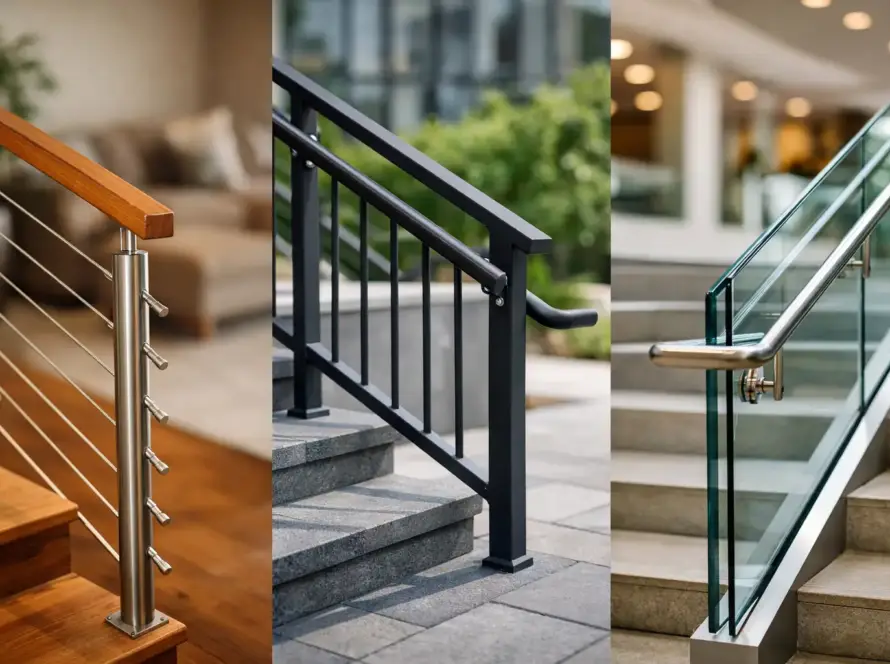
Iron is often associated with traditional design, but it can look very modern when the lines are simplified. Straight pickets, flat rails, squared frames, and a matte black finish create a clean look that feels updated without trying too hard.
This is a smart choice when security matters and you do not want a bulky fence. It works well around front yards, driveways, apartment buildings, and commercial properties. It will not provide full privacy on its own, but it gives strong definition and dependable perimeter security.
Slatted privacy fencing
Slatted fences are a good fit when you want privacy without a completely closed-off feel. The spacing between boards or metal slats can be adjusted to control views, light, and airflow.
That flexibility makes this one of the more useful modern fence design ideas for Southern California. A fully solid fence can sometimes feel heavy in a small outdoor space. Slats can give you coverage while keeping the yard more open and breathable. The exact spacing matters, though. Too wide and you lose privacy. Too tight and you may as well have gone with a solid panel.
Mixed-material fencing
Modern design often looks better when one material is not doing all the work. Combining iron with wood, concrete with metal, or masonry columns with clean panel sections can create a fence that feels custom and substantial.
This approach is especially useful on larger properties where a basic run of fence may look flat or unfinished. The downside is cost. More materials usually mean more fabrication time and more labor. Still, for owners who want a tailored result, mixed materials can deliver a stronger final look.
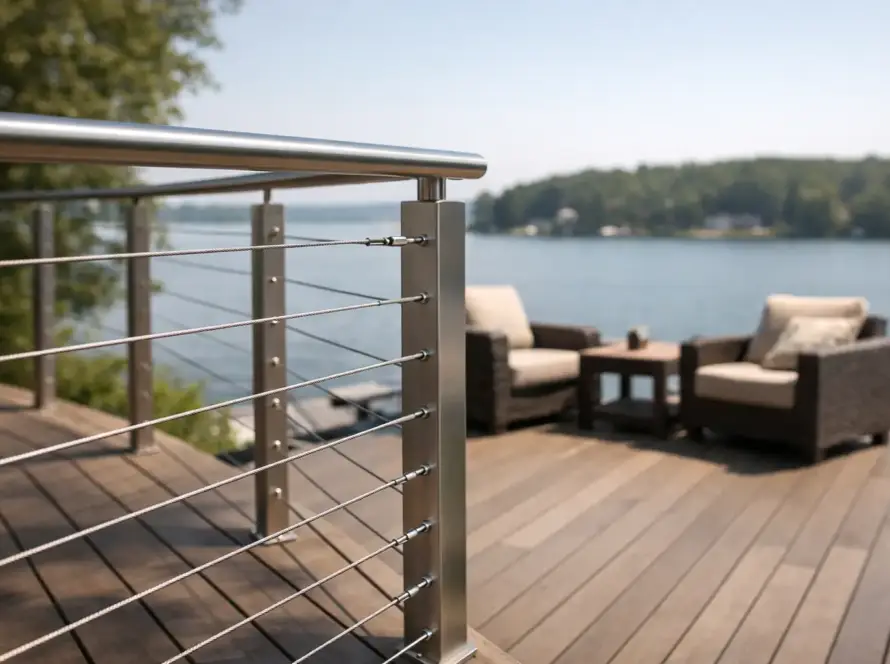
Cable railing-style barriers
For properties with views, patios, decks, or elevated areas, cable railing systems can bring in a modern edge without blocking sightlines. This is not a replacement for every perimeter fence, but it can be an excellent solution for specific areas where openness matters.
It is a practical example of modern design serving a real purpose. You keep the safety benefit while avoiding the boxed-in feeling that comes with heavier barriers. For hillside homes or commercial spaces with outdoor seating, that can make a major difference.
Privacy screens and partial enclosures
Not every property needs a full new fence line. Sometimes the better move is adding a modern privacy screen to a patio, pool area, trash enclosure, HVAC zone, or side yard. These smaller structures can clean up the look of an exterior while solving a very specific problem.
This is often a good choice for homeowners who want a targeted upgrade without taking on a full perimeter project. It also works well for commercial properties that need screening around service areas while keeping the overall site clean and professional.
Custom modern gates
A fence rarely looks finished if the gate feels like an afterthought. Modern gates use the same principle as modern fencing: strong lines, durable materials, and no extra clutter. Whether sliding or swinging, a custom gate should match the fence style and perform well under daily use.
This matters more than many people expect. Gates take the most wear, especially on rental properties and business sites. A good-looking gate that sags, sticks, or fails to latch becomes a problem fast. Strong fabrication and proper installation matter just as much as appearance here.
Choosing the right material for the job
Style gets attention, but material choice decides how the fence performs. Wood offers warmth and privacy, but it asks more from the owner over time. Iron and steel give better strength and security, especially for front perimeters and gates. Aluminum can reduce maintenance and still keep a clean modern appearance. Chain link is usually more functional than design-driven, but with privacy slats or strategic placement, it can still serve certain commercial and side-yard needs well.
There is no one-size-fits-all answer. A backyard privacy fence for a single-family home has different priorities than a security fence around a business or multifamily property. The best result comes from matching the material to the purpose first, then refining the look.
How modern fence design ideas work in Los Angeles
Los Angeles properties come with a wide range of conditions. Some homes need privacy from close neighbors. Some commercial sites need stronger access control. Some owners want a front fence that improves curb appeal without making the property feel closed off.
That is where practical design matters. Clean horizontal lines may look great, but on a slope they may require more planning and custom fabrication. A solid privacy fence may feel right in a backyard, but it could create visibility issues near a driveway or corner lot. Black iron may fit the architecture perfectly, but if full screening is the priority, it may need to be paired with another material.
A contractor who understands both design and function can help sort through those decisions before the job starts. That usually saves time, money, and frustration later. For property owners who want a fence built to last, clear planning matters just as much as the material itself.
Good modern design still has to be practical
The strongest modern fence projects are not the flashiest ones. They are the ones that solve the right problem and still look good years later. That means thinking about privacy, code requirements, gate access, maintenance, and long-term durability from the beginning.
At Hawklink Fences, that is usually where the conversation starts. Not with trends for the sake of trends, but with what the property needs and which design will hold up under real use. A modern fence should look current, but it should also feel solid every time you open the gate, walk the line, or pull into the driveway.
If you are weighing options, start with the part that matters most to you – privacy, security, appearance, or maintenance. Once that is clear, the right design tends to come into focus much faster.