A fence project usually starts with a simple goal – more privacy, better security, a cleaner property line, or a yard that looks finished. What surprises many homeowners is how quickly small decisions affect the final result. The right residential fence installation guide can save you from uneven lines, weak posts, permit problems, and materials that do not hold up the way you expected.
What a residential fence installation guide should help you decide
A good fence is not just about picking a style from a photo. It needs to fit the property, meet local requirements, and handle real use over time. In Los Angeles and surrounding areas, that often means thinking about sun exposure, slope, lot lines, security needs, and how much maintenance you want to deal with later.
The first decision is the job the fence needs to do. Privacy fencing works differently than perimeter security fencing. A decorative front-yard iron fence creates a different look and function than chain link around a side yard or rental property. If the main priority is keeping pets in, blocking visibility, improving curb appeal, or securing access points, those goals should guide every choice that follows.
That is also where many projects go off track. People sometimes choose a material based on appearance alone, then find out it does not match the use of the space. A fence can look great on day one and still be the wrong fit if it warps, leaves gaps, rusts in key areas, or does not provide enough strength at the gate.
Start with layout, boundaries, and local rules
Before any digging starts, the layout has to be confirmed. That means identifying the true property line, checking where the gates should go, and understanding where utilities may be buried. If you are replacing an old fence, do not assume the existing line is correct. Older fences are sometimes installed inside the property line, slightly off square, or in a way that no longer matches current use.
Permits and local regulations matter too. Fence height, placement, and visibility near driveways or corners may be restricted depending on the city and the location on the property. If you live in an HOA community, there may also be design or material requirements. Skipping this step can create expensive delays, especially if a finished section has to be modified.
For shared boundaries, it is smart to talk with the neighbor early. That conversation does not need to be complicated. It simply helps avoid confusion about alignment, access during installation, and whether both parties have expectations about height or finish.
Choosing the right material for the property
Material selection is where function, cost, and maintenance all meet. There is no single best choice for every yard.
Wood offers a classic look and strong privacy, but it needs upkeep. In hot, dry conditions, it can fade, crack, or shift over time if the material quality or installation is not solid. Vinyl reduces maintenance, though some owners prefer a more traditional appearance and stronger custom options.
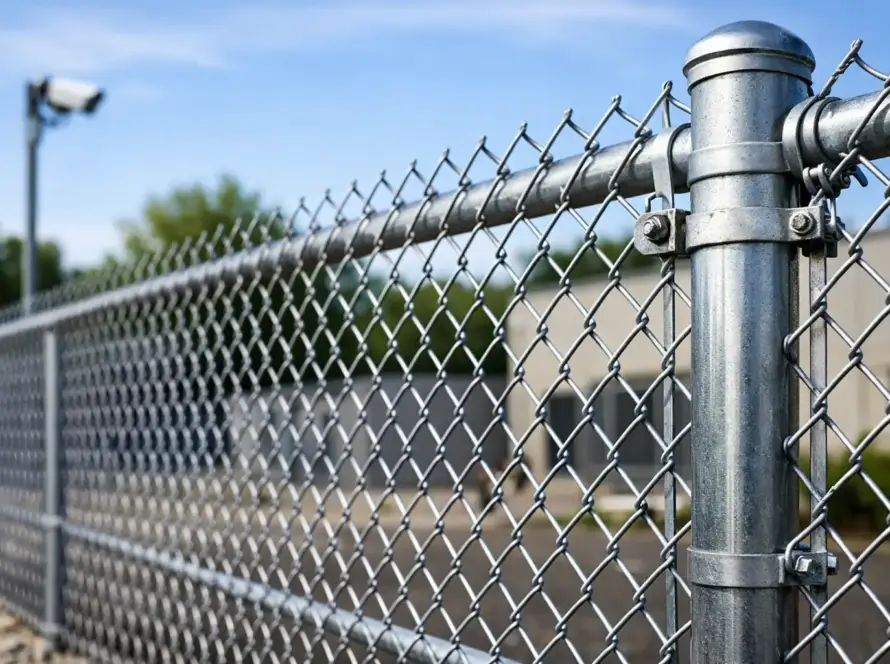
Chain link is practical, cost-effective, and dependable for many residential uses, especially side yards, rental properties, pet areas, and spaces where visibility matters. It is not the top choice for privacy unless slats or screening are added, but it holds up well and usually moves faster from estimate to installation.
Iron fencing brings strength, security, and a more finished look, especially in front yards, entry areas, and properties where curb appeal matters. It can also work well with custom gates and security doors for a more complete perimeter solution. The trade-off is cost. Iron usually requires a bigger upfront investment, but many property owners find the long-term durability and appearance worth it.
A practical residential fence installation guide should make room for those trade-offs instead of pretending every option is equal. Budget matters, but so do maintenance demands, lifespan, and how the fence changes the look and use of the property.
The installation process that affects long-term performance
Most fence problems do not start with the panels. They start with the posts. If the post spacing is inconsistent, the depth is wrong, or the concrete work is rushed, the whole fence can lean, sag, or separate over time.
Professional installation starts with accurate measuring and line setting. The layout should be squared where needed and adjusted carefully on slopes. After that, post holes are placed to match the material and design load. Heavier systems such as iron sections and wide gates need stronger support than a basic light-duty run.
Once posts are set, the installer has to allow for proper curing and alignment before moving too quickly into panels or rails. That part takes patience, and it matters. Fast work is not the same as good work.
Gates deserve extra attention. A fence can be built well and still feel cheap if the gate drags, swings unevenly, or does not latch cleanly. Gate posts, hinges, framing, and clearance all need to be planned based on actual use. A walkway gate for daily access and a wider driveway gate have very different demands.
On sloped ground, the design method also matters. Some fences are stepped, creating level sections that drop down gradually. Others are racked or adjusted to follow the slope more closely. The better option depends on the material, the grade, and the look you want. A rushed layout on a slope is one of the fastest ways to end up with awkward gaps or a fence line that looks off from the street.
Why estimates can vary more than expected
Homeowners are often surprised when fence bids are not even close to each other. That difference is not always just markup. It can reflect major differences in material quality, post setting depth, hardware, fabrication, removal of the old fence, or whether the quote includes cleanup and haul-away.
A lower estimate may leave out key parts of the work. A higher estimate may include heavier materials, better hardware, custom fabrication, or more labor to deal with slope, access, or difficult soil. That is why clear communication matters from the start. If the quote is vague, the project usually gets more expensive later.
This is where working with a contractor who is licensed, insured, and clear about scope makes a real difference. Companies such as Hawklink Fences build trust by walking the property, explaining the options plainly, and setting expectations before the work begins. That approach helps avoid the kind of surprises that make a straightforward fence job turn frustrating.
Repairs, replacements, and partial upgrades
Not every fence project needs a full replacement. If a few sections are damaged but the rest of the structure is sound, repair may be the more practical route. The challenge is making sure the repaired area actually matches the strength and appearance of the existing fence.
Sometimes the smarter choice is partial replacement. For example, the fence line may still be usable while the gate system has failed, or the side-yard chain link may be fine while the front entry needs a stronger iron upgrade. Property owners do not always need to do everything at once. A phased plan can make sense when budget and priorities need to be balanced.
That said, patchwork only works when the underlying structure is still worth keeping. If multiple posts are failing, if rust or rot is widespread, or if the layout is wrong to begin with, repair money can be wasted on a fence that is already at the end of its life.
How to know when professional installation is the better call
Some small fencing projects can be handled by experienced DIY homeowners. But most full perimeter jobs are less forgiving than they look. Grades change. Property lines are not always obvious. Gates need precision. Materials arrive heavy, and mistakes in setting posts or spacing sections can affect the whole run.
Professional installation becomes especially important when the project includes custom gates, iron work, significant slope, shared boundaries, or security-focused features. It is also the better call when appearance matters from the street. A fence is one of the first things people notice about a property, and poor workmanship stands out fast.
The value of a professional job is not just speed. It is knowing the fence is built to last, aligned correctly, and finished in a way that supports both security and appearance. That is what turns a fence from a temporary fix into a long-term improvement.
If you are planning a new fence, take the time to match the material, layout, and installation method to the way your property actually functions. A solid fence should not leave you second-guessing the investment every time you open the gate.