A fence or gate usually gets attention for one of two reasons – it looks great, or it has failed. That is exactly why choose wrought iron is a question worth asking before you invest in a new perimeter, gate, railing, or entry feature. The right material does more than mark a boundary. It affects security, maintenance, appearance, and how long your investment holds up.
For many property owners, wrought iron stands out because it solves several problems at once. It offers strength without looking bulky, security without making a property feel closed off, and a custom look that does not feel temporary or generic. That balance is hard to get from many other materials.
Why choose wrought iron over other materials?
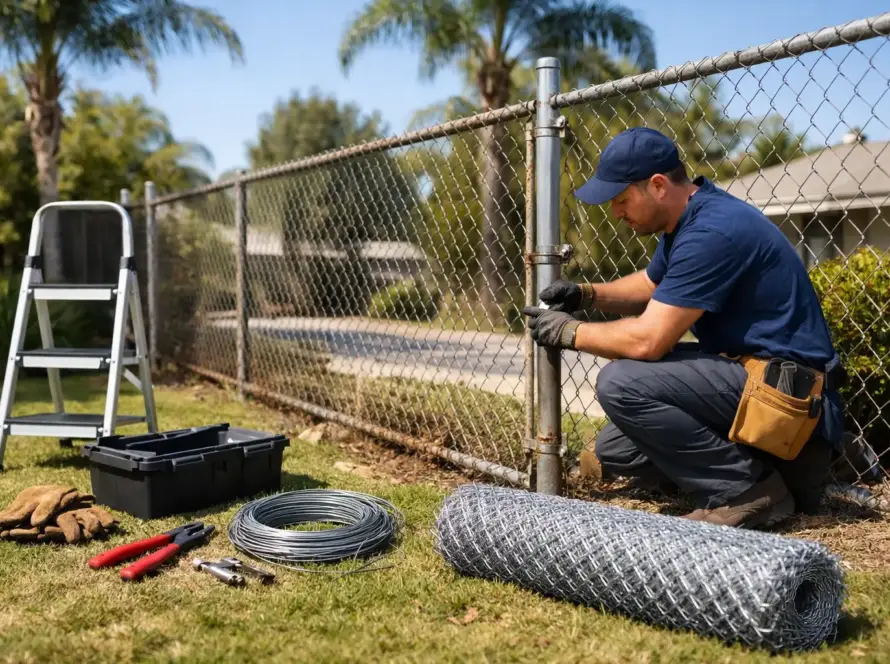
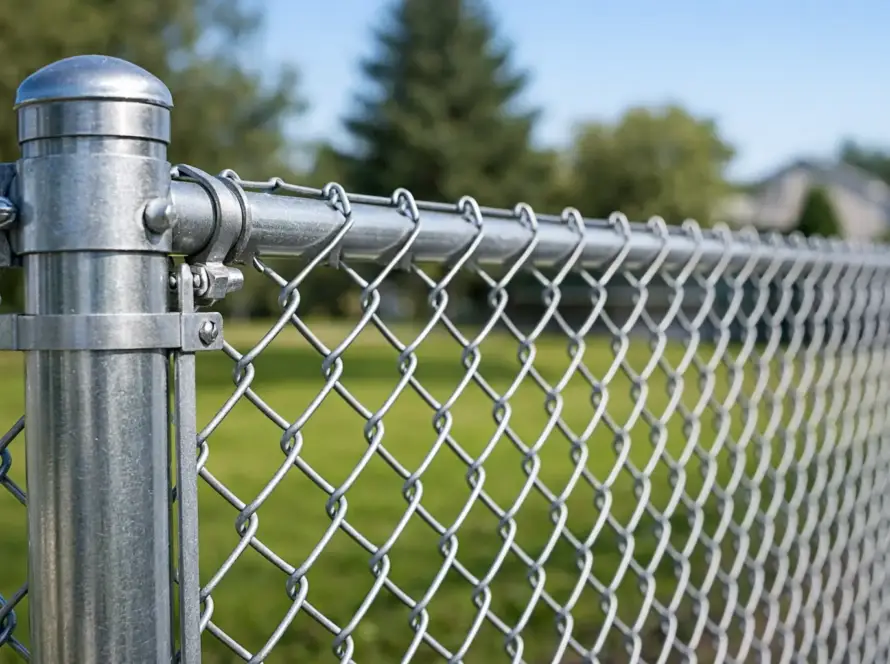
Wrought iron has a reputation for a reason. It is one of the most dependable choices for property owners who want a fence, gate, handrail, or security feature that feels permanent. Wood can warp, crack, or wear down faster than expected. Vinyl can be clean-looking, but it does not always deliver the same sense of strength. Chain link is practical and cost-effective, but it creates a different look and serves a different purpose.
Wrought iron sits in a useful middle ground between appearance and performance. It gives you a more refined finish than chain link, more strength and longevity than many lightweight materials, and more design flexibility than people often expect. If your goal is a material that can improve curb appeal while still doing serious work, wrought iron is a strong option.
That said, the best choice depends on the property. A side-yard utility enclosure has different needs than a front-yard fence, apartment entry gate, or stair handrail. Wrought iron is not automatically the answer for every project, but it is often the right answer when durability, security, and style all matter.
Strength that supports real security
One of the biggest reasons property owners choose wrought iron is security. A fence or gate only helps if it can actually hold up under regular use and attempted force. Wrought iron is known for its structural strength, which makes it a solid option for perimeter fencing, pedestrian gates, driveway gates, window guards, and security doors.
That strength matters in everyday ways, not just worst-case scenarios. Gates get opened and closed constantly. Railings need to stay stable. Fence lines have to hold their shape over time. A material that bends too easily or weakens quickly can lead to repairs, safety concerns, and a shorter service life.
Wrought iron also gives clear visibility through the fence line. That can be a real advantage for both homes and commercial properties. You can secure the boundary without blocking the view, which helps the property feel open while still protected. For many owners, that is a better fit than a fully solid barrier.
Curb appeal without sacrificing function
Some materials are chosen mainly for utility. Others are chosen mainly for appearance. Wrought iron tends to work well because it does both.
A well-built iron fence or gate has a clean, established look that fits many property styles. It can complement traditional homes, Spanish-style architecture, multifamily buildings, and modern commercial spaces. Simple vertical pickets can look sharp and understated. Decorative scrollwork, custom tops, and detailed gates can create a more distinctive finish. The point is not just that iron looks attractive. It looks intentional.
This is especially valuable at the front of a property, where the fence or gate becomes part of the first impression. If you want something that adds character rather than looking like a basic add-on, wrought iron gives you room to customize without losing function.
For owners planning to sell, lease, or improve tenant appeal, that visual upgrade can matter. People notice entry features. A secure, well-made iron fence or gate can make the entire property look better cared for.
Built to last with proper fabrication and coating
Durability is where wrought iron often justifies its cost. A cheaper material can look like a savings at the start, but repeated repairs, early replacement, or constant upkeep can change that math quickly.
Properly fabricated and finished wrought iron is built for long-term use. It handles repeated daily wear better than many alternatives, especially in gates and rail systems where movement and contact are constant. When the work is done correctly, the structure stays solid, the welds hold, and the installation feels stable year after year.
In Southern California, weather is not as harsh as in some other parts of the country, but exterior metal still needs the right protective finish. Moisture, sun exposure, and general outdoor wear can all take a toll over time. That is why surface prep, coating, and installation quality matter just as much as the material itself.
This is one of those areas where workmanship makes a real difference. Poor fabrication can leave weak points. A rushed finish can lead to premature rust. Good iron work is not just about the design on paper. It is about how the material is built, treated, installed, and supported.
Custom design is a major advantage
Another reason why choose wrought iron comes down to flexibility. Not every property has standard dimensions or simple needs. You may need a double swing gate for vehicle access, a custom handrail for stairs, a security door that matches existing architecture, or a fence layout that follows unusual grading or elevation changes.
Wrought iron is well suited for custom fabrication because it can be designed to fit the space instead of forcing the space to fit a pre-made panel. That matters on older properties, sloped lots, multifamily buildings, and commercial sites where off-the-shelf solutions often fall short.
Customization is not only about decoration. It is also about function. You can adjust height, spacing, gate configuration, latch options, privacy elements, and style details to match the way the property is used. A homeowner may want a front fence that defines the yard without feeling too closed in. A business owner may need controlled access and a stronger perimeter. A property manager may need durable stair or balcony railings that meet safety needs while still looking clean.
Wrought iron can handle all of those situations when it is planned correctly.
The trade-offs are real, and worth understanding
Wrought iron has clear strengths, but it is not a no-maintenance material. If you are comparing options honestly, that should be part of the conversation.
First, wrought iron usually costs more upfront than some budget fencing materials. If the only goal is to create a basic boundary at the lowest possible price, another option may make more sense. Second, iron needs occasional maintenance to keep its finish in good shape. Scratches, chips, or exposed areas should be addressed before rust spreads.
For many owners, those trade-offs are reasonable because the long-term value is still strong. You are paying for strength, longevity, and a custom appearance that cheaper materials often cannot match. But the decision should fit your priorities, budget, and the type of property you are improving.
Where wrought iron makes the most sense
Wrought iron is especially useful when the project needs to do more than one job well. Front-yard fences, entry gates, driveway gates, security doors, stair railings, balcony railings, and pool-adjacent barriers are all common examples. In these applications, appearance matters, but so do safety and durability.
It also makes sense for properties where visibility is important. On many Los Angeles homes and commercial sites, owners want security without creating a closed-off look from the street. Iron allows for that balance. You can define access points and protect the property while still maintaining an open feel.
For rental properties and commercial spaces, iron can also be a practical long-term choice because it holds up to regular use. A heavily used gate or stair rail takes abuse. Materials that feel light-duty tend to show it sooner.
Choosing the right contractor matters as much as the material
Even the best material can underperform if the fabrication or installation is rushed. An iron fence or gate should feel solid, operate correctly, and fit the property cleanly. That takes accurate measurements, careful planning, sound welding, and a finish process that protects the metal instead of just making it look good for a few weeks.
This is where experience matters. A contractor should be able to explain the options clearly, recommend the right configuration for the space, and be upfront about cost, maintenance, and expected performance. If a design is too light for the intended use, or if a gate needs added support, that should be addressed before installation starts.
Good work in iron is easy to recognize over time. The alignment stays true. The gate swings properly. The rail feels secure. The finish holds up. Those details are not extras. They are part of what makes wrought iron worth choosing in the first place.
If you are weighing materials for a new fence, gate, railing, or security feature, think beyond the initial price tag. The better question is what you want the finished project to do for your property five or ten years from now. If the answer includes strength, curb appeal, and lasting value, wrought iron is hard to overlook.