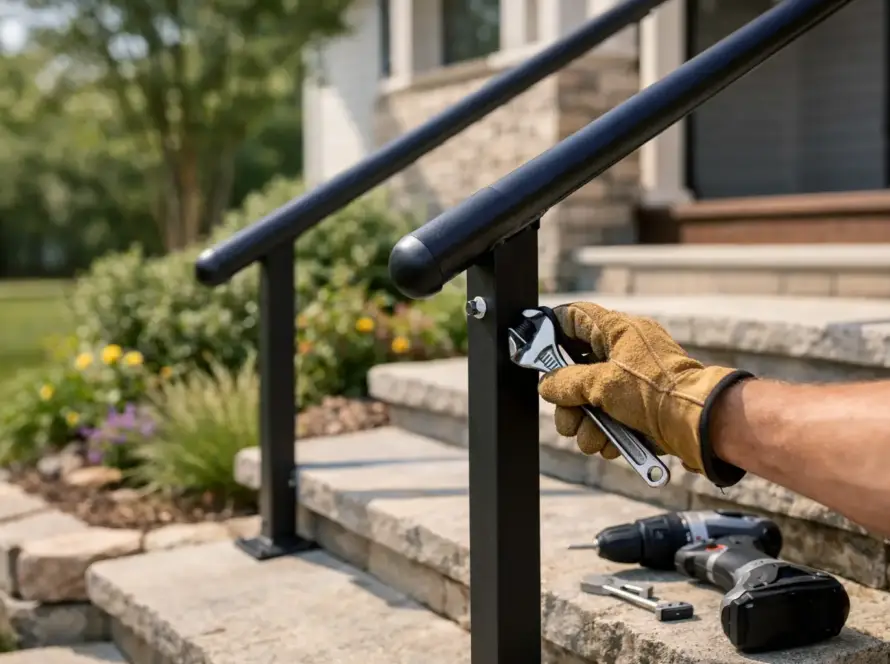
A loose stair rail is easy to ignore until someone grabs it and it shifts in their hand. That is usually the moment a small maintenance issue turns into a real safety concern. For homeowners, landlords, and commercial property owners, handrail installation Los Angeles projects are not just about finishing a staircase or balcony. They are about preventing accidents, meeting code, and putting in a rail that feels solid every time someone uses it.
In a city where properties range from older duplexes and hillside homes to storefronts and apartment buildings, there is no single handrail solution that works everywhere. The right installation depends on where the rail is going, who will use it, what the surface condition is, and how much wear it needs to handle over time. A good-looking rail matters, but performance matters more.
What a good handrail installation actually does
A properly installed handrail should do three things well. It should provide steady support, hold up to daily use, and fit the look of the property without feeling like an afterthought. If one of those parts is missing, the installation is incomplete.
Safety comes first. On stairs, ramps, walkways, and elevated areas, a rail gives people something dependable to hold onto. That matters for children, older adults, tenants carrying groceries, employees moving quickly, and customers entering a building for the first time. A handrail is one of those features people barely notice when it is done right, but they notice immediately when it is loose, too low, awkwardly placed, or difficult to grip.
There is also the issue of liability. Property owners are expected to keep access points and walking areas reasonably safe. If a stair rail is missing, unstable, or no longer compliant, it creates risk that is far more expensive than fixing the problem correctly the first time.
Handrail installation Los Angeles properties often need
In Los Angeles, the demand for handrails often comes from a few common situations. Older properties may have rails that are rusted, undersized, or mounted into weakening material. Remodels may add new stairs, landings, or entry approaches that now require railings. Multi-unit properties often need upgrades after tenant turnover, inspections, or general wear. Commercial spaces may need handrails that are durable enough for heavy traffic while still presenting a clean, professional appearance.
The environment matters too. Sun exposure, temperature swings, and moisture in certain locations can wear down finishes and fastening points over time. A rail that looks fine at first can start to loosen if it was attached to compromised concrete, damaged wood, or thin framing. That is why installation quality matters just as much as the material itself.
Choosing the right material for the job
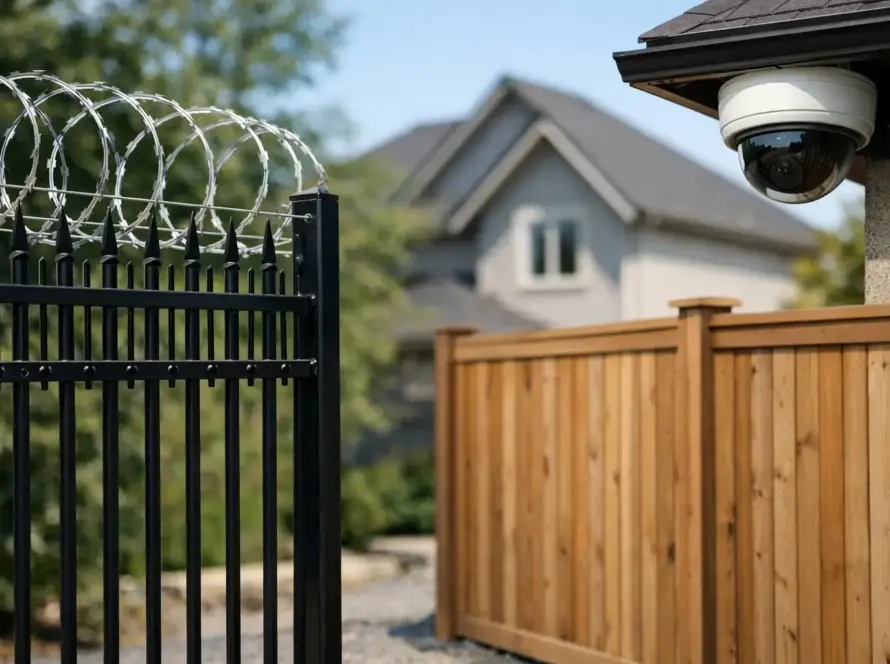
Material choice should be based on use, exposure, maintenance expectations, and style. Iron remains a strong option for many exterior installations because it offers a solid feel and can be custom fabricated to fit straight runs, turns, and unique layouts. It also works well when the goal is to match gates, fences, or security features already on the property.
Steel is another practical choice when strength is the priority. It can be finished in ways that support long-term durability, especially in exterior settings. Aluminum may make sense in some cases where reduced weight and corrosion resistance are more important than a heavier, traditional look.
Cable railing systems can work well in modern settings, especially when visibility matters. They are often chosen for decks, balconies, and areas where property owners want a cleaner line of sight. That said, they are not the best fit for every stair or every budget. They require careful spacing, proper tensioning, and a design that suits the property. A simple welded metal handrail may be the better answer when the main goal is dependable function with minimal upkeep.
Wood can still be used in some interiors, but in many exterior Los Angeles applications, metal offers a longer service life and less ongoing maintenance. It depends on the setting and the level of exposure.
Why code compliance matters more than appearance alone
One of the biggest mistakes in handrail work is treating it like a decorative add-on. A rail can look clean and still be wrong in ways that affect safety and inspections. Height, spacing, grip size, clearance from the wall, and the way the ends terminate all matter. So does the difference between a handrail and a guardrail. People often use the terms interchangeably, but they serve different purposes and may be required in different ways depending on the location.
This is where professional planning makes a difference. The exact requirements can vary by application, property type, and local code conditions. A stair rail at a residence may call for one solution, while a commercial entry or multi-family common area may require another. Guessing is not worth it.
A proper site visit should look at the stair dimensions, landing conditions, wall or surface strength, user traffic, and any existing damage around the install area. If the base material is cracked, rotted, or deteriorated, that issue needs to be addressed before the handrail goes in. Strong rails need strong anchoring.
Repair or replace?
Not every rail needs full replacement, but many do. If the existing handrail is basically sound and the problem is limited to a few loose anchors, isolated rust spots, or finish wear, a repair may be enough. A good repair should restore stability, not just improve appearance.
Replacement makes more sense when the rail no longer meets current needs, has widespread corrosion, is attached to failing surfaces, or was poorly built from the start. In some cases, owners spend money patching the same rail more than once when replacement would have been the more practical long-term move.
For rental and commercial properties, replacement also gives owners a chance to standardize the look across multiple stairways or access points. That can improve safety, appearance, and maintenance planning all at once.
What a professional installation process should look like
A dependable contractor should start with an on-site consultation, not a guess over the phone. Measurements need to be accurate, surfaces need to be inspected, and the layout needs to make sense for the space. From there, the estimate should be clear about scope, materials, fabrication, finish, and installation.
Custom fabrication is often the difference between a rail that simply fills the space and one that fits correctly. Uneven steps, sloped walkways, older concrete, and nonstandard dimensions are common in Los Angeles properties. Prefab pieces are not always the right answer. A custom-built rail allows better alignment, stronger attachment, and a cleaner finished result.
Installation day should not feel rushed. Proper anchoring, leveling, fitment, and finish protection all matter. If welding is part of the process, it should be clean and controlled. If the rail is mounted to masonry or concrete, the fasteners and embedment need to be suitable for the load and condition of the surface. Cutting corners here is what leads to wobble, premature failure, and callbacks.
This is where a workmanship-focused contractor stands apart. Good communication, realistic timelines, and attention to detail are not extras. They are part of doing the job right.
How to know you are hiring the right company
The cheapest bid is not always the lowest cost. If a rail fails early, rusts fast, or ends up needing rework after an inspection, that bargain disappears quickly. Property owners should look for a contractor that is licensed, insured, experienced with metal fabrication and exterior installation, and willing to explain what is being built and why.
It also helps to work with a company that handles related exterior security and access work, because they tend to understand how handrails fit into the bigger picture of a property. At Hawklink Fences, that practical approach matters. A handrail should not only meet the immediate need. It should also make sense with the surrounding gates, fencing, entries, and overall use of the property.
For owners in Los Angeles, Pasadena, Downey, or nearby communities, local experience counts. Older housing stock, mixed-use properties, and varied terrain all create installation conditions that reward real field experience over one-size-fits-all solutions.
The value of getting it done before it becomes urgent
Most handrail calls do not start with a design idea. They start with a loose post, a failed inspection, a tenant complaint, or a near fall. Waiting rarely improves the situation. Once a rail starts moving, rusting through, or pulling away from the mounting surface, the risk only increases.
A well-built handrail improves safety immediately, but it also does something less obvious. It makes the property feel maintained. Entrances feel more secure. Stairs feel easier to use. The space looks cared for because it actually is.
If a stairway, ramp, balcony edge, or walkway on your property does not feel solid and safe right now, that is usually your answer. The right handrail is not just there to satisfy a requirement. It is there to do its job every day without question.