A driveway gate has to do more than look good from the street. It needs to operate reliably, fit the way vehicles enter and leave, and hold up to daily use. The best gates for driveways are the ones designed around the property itself, not selected from a catalog based on appearance alone.
For a Los Angeles home, apartment building, or commercial site, that often means weighing privacy, security, slope, available space, and the level of maintenance you are willing to take on. A heavy ornamental gate may suit one property perfectly and create unnecessary operating problems at another. The right choice starts with function, then brings in style.
Start With How the Driveway Works
Before choosing a gate material or design, look at the driveway as a working entry point. How wide is the opening? Does the driveway rise, fall, or sit level? Is there room behind the gate for a vehicle to pull fully off the street before it stops? Will delivery drivers, tenants, visitors, or service crews need regular access?
These details determine whether a sliding gate or a swinging gate makes sense. They also affect post placement, hinge selection, operator sizing, and safety equipment. A gate that is attractive but blocks a car on the sidewalk, drags on a sloped driveway, or cannot open during a power issue is not a good long-term investment.
For busy properties, consider access early. A keypad, remote controls, telephone entry system, pedestrian gate, or smart access controls can make the gate more useful without requiring people to get out of their vehicles. The goal is controlled entry that does not create daily frustration.
Best Gates for Driveways by Opening Style
Sliding gates for limited space or sloped driveways
Sliding driveway gates move sideways along the fence line instead of swinging into the driveway or toward the street. They are often the strongest practical option when space is limited, traffic is frequent, or a driveway slopes upward from the street.
A cantilever sliding gate is especially useful because it does not roll across the driveway opening. Instead, it is supported from one side and extends past the opening when closed. This can reduce problems caused by leaves, gravel, and uneven pavement. It does require enough room along the fence line for the gate to travel and counterbalance properly.
Sliding gates are a common choice for multi-unit properties and commercial entrances because they work well with automatic operators and can handle wider openings. The trade-off is that their frame, track or cantilever system, and automation must be properly installed. Poor alignment can lead to noise, uneven movement, and premature wear.
Swing gates for classic curb appeal
Swing gates open on hinges, either as one large leaf or as two leaves that meet in the middle. A double swing gate is often a good fit for residential driveways with a level approach and enough clear space inside the property.
This style offers a traditional look that works particularly well with ornamental iron. It can make a front entrance feel finished and substantial without closing off the architecture of the home. A single swing gate can work for narrower openings, but wide single leaves become heavy and need strong posts, hinges, and operator support.
The main limitation is swing clearance. A gate should not swing out across a sidewalk, street, or public right-of-way. On a steep driveway, it may need specialty hinges or a different opening style altogether. An on-site evaluation helps prevent a gate design that looks right on paper but does not operate correctly in place.
Bi-fold gates for quick access in tight layouts
Bi-fold gates fold inward as they open, reducing the amount of swing space required. They can be a smart solution when a property needs fast operation but does not have enough fence-line clearance for a sliding gate.
They are more specialized than standard swing or sliding gates, so quality fabrication and installation matter. For the right commercial or high-traffic setting, their speed and compact movement can justify the added complexity.
Choose a Material That Matches the Job
Ornamental iron for strength and a finished look
Custom iron gates are among the most durable and versatile choices for driveways. They can be built with open pickets, decorative details, solid panels, or a combination of materials to provide the level of visibility and privacy a property needs.
Iron is a strong choice for homeowners who want security without making the front of the property feel closed in. It also fits a wide range of architectural styles, from traditional homes to modern commercial buildings. A properly fabricated and coated iron gate can last for years, but it should be checked periodically for chipped finish, rust at welds, hinge wear, and alignment issues.
Aluminum for a lighter, low-maintenance option
Aluminum driveway gates resist rust and are easier to operate because they weigh less than steel or iron. They can be a practical choice near coastal air or for decorative residential applications where the gate does not need to withstand heavy abuse.
The trade-off is strength. Aluminum can be an excellent material when the frame and hardware are designed correctly, but it is generally not the first choice for a high-security entrance or a large gate exposed to frequent impacts. For those applications, steel or iron often provides more confidence.
Chain link for practical security
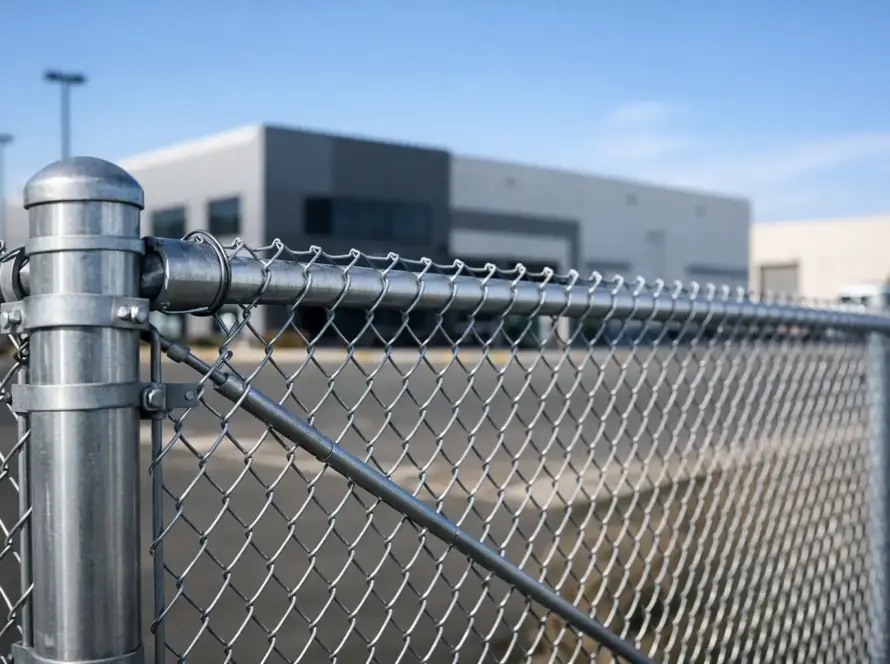
For service yards, side drives, storage areas, and commercial properties, chain link gates provide straightforward access control at a practical cost. Galvanized chain link offers basic durability, while vinyl-coated options can give the enclosure a cleaner appearance.
A chain link sliding gate is a dependable choice where visibility, containment, and security matter more than decorative curb appeal. Privacy slats can be added, although they increase wind load and should be considered during fabrication. The gate frame, posts, and latching system are just as important as the mesh itself.
Wood and mixed-material gates for privacy
Wood gates create warmth and privacy, especially when paired with steel or iron framing. The frame carries the structural load while the wood provides the visual finish. This approach helps reduce sagging compared with a gate built from wood alone.
Wood requires more upkeep than metal. Southern California sun can dry, fade, and crack boards over time, so sealing or refinishing should be part of the ownership plan. For a private front drive, though, a well-built mixed-material gate can provide a strong balance of appearance and security.
Security Is More Than a Lock
A driveway gate improves access control, but real security comes from the complete system. A strong gate on undersized posts can shift. A quality operator without safety devices can become unreliable or unsafe. A lock that is difficult for residents to use may get bypassed altogether.
For pedestrian safety and dependable operation, automatic gates should include properly placed photo eyes, vehicle detection loops where appropriate, and an accessible manual release for outages or emergencies. Gate operators must be sized for the actual weight, length, and expected daily cycles of the gate. Choosing an undersized operator to lower the upfront price usually leads to service calls later.
If privacy is the priority, consider how much the gate reveals from the street. Open iron pickets allow visibility and can feel more welcoming. Solid panels or closely spaced slats offer more screening, but they catch more wind. On exposed properties, that added wind load affects the frame, hinges, posts, and automation requirements.
Don’t Let Design Ignore Maintenance
Every driveway gate needs some maintenance, even a well-built one. Hinges need adjustment, rollers need inspection, latches need lubrication, and operators need occasional service. The question is not whether maintenance will happen. It is whether the gate is designed so routine maintenance stays manageable.
Choose finishes suited to the environment and make sure water drains away from posts and operator areas. Keep landscaping clear of the gate path and photo eyes. For sliding systems, avoid allowing debris to build up where it can interfere with movement. A gate that begins to scrape, sag, or hesitate should be inspected promptly rather than forced open and closed.
Work With the Existing Fence and Entry Layout
A driveway gate should look like it belongs with the rest of the property. Matching the fence height, picket pattern, color, and material creates a cleaner result. Just as important, the surrounding fence must be capable of supporting the new gate system or be upgraded where needed.
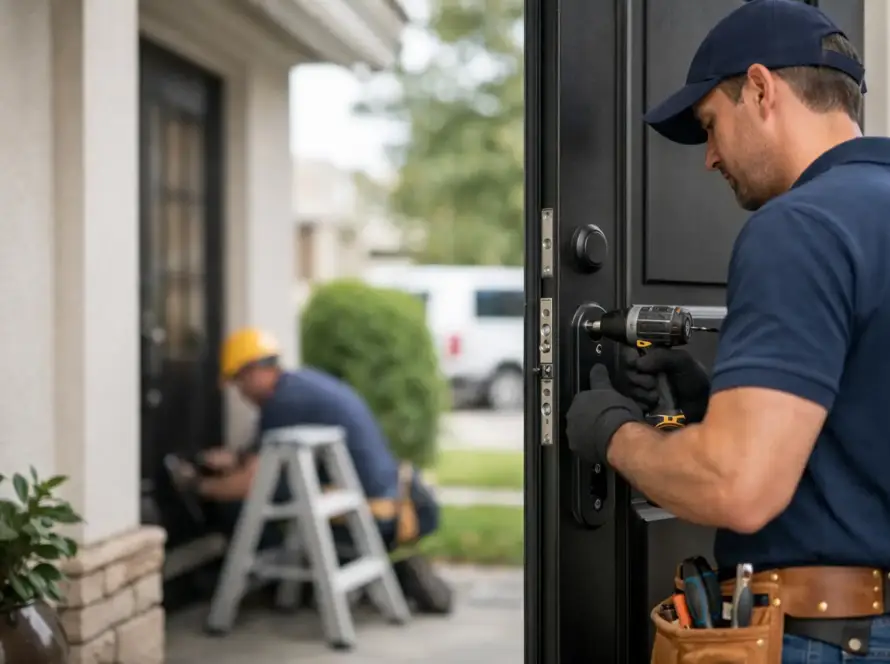
Custom fabrication is valuable when the opening is irregular, the driveway has a slope, or the property needs a specific level of privacy. It also allows the gate to be built around real measurements rather than forcing a standard-size product into a nonstandard opening. Hawklink Fences approaches this work with an on-site assessment, clear recommendations, and a scope that accounts for both appearance and daily performance.
The best decision is rarely the heaviest gate or the most decorative one. It is the gate that opens safely, protects the property, suits the driveway layout, and continues doing its job after years of use. A careful consultation before fabrication can save far more time and expense than correcting the wrong design after installation.