A fence usually does not fail all at once. It starts with a loose post, a section that leans after a windy day, a gate that drags, or boards that keep needing another quick fix. If you are wondering when to replace a fence, the answer often comes down to a simple question: is the fence still doing its job safely, securely, and without constant repairs?
For homeowners, property managers, and business owners, that decision is rarely just about appearance. A fence affects security, privacy, curb appeal, and liability. In Los Angeles, sun exposure, dry conditions, shifting soil, and everyday wear can shorten the life of even a well-built fence if it has not been maintained properly. Knowing what to look for can help you avoid spending money on repeated repairs when replacement is the smarter long-term move.
When to replace a fence instead of repairing it
Small repairs are normal. A damaged picket, a single bent rail, or one worn hinge does not automatically mean the whole fence is done. But replacement becomes the better option when problems are widespread, structural, or likely to keep coming back.
The biggest sign is repeated repair history. If you have already fixed multiple sections and new issues keep appearing, the fence may be nearing the end of its useful life. At that point, patching one area after another often costs more over time than installing a new fence that is built to last.
Structural instability is another clear marker. A fence should stand straight, resist movement, and hold up under normal use. If posts are rotted, footings are compromised, or panels are loose across large sections, the problem is no longer cosmetic. It is a safety and performance issue.
There is also the matter of function. A fence that no longer closes properly, no longer provides privacy, or no longer secures the property is not meeting its purpose. Even if parts of it still look acceptable, the overall system may be failing.
Signs your fence has reached the end of its life
Different materials fail in different ways, but the warning signs are usually easy to spot once you know what matters.
Wood fences
Wood fences often show their age through rot, warping, splitting, and insect damage. A little surface wear can be repaired. Deep rot at the base of posts or across multiple boards is a different story. If a screwdriver easily sinks into the wood, or entire sections feel soft and unstable, the fence has likely lost its strength.
Warping is another issue that starts small and grows. A few boards that bow can sometimes be replaced. If panels are twisting throughout the fence line, it usually means the material has been heavily affected by moisture, heat, or age. At that point, repairs may improve the look temporarily but not restore long-term stability.
Chain link fences
Chain link is known for durability, but it still wears out. Rust is a common warning sign, especially around the bottom rail, posts, fittings, and gate hardware. Light surface rust can sometimes be treated. Widespread corrosion that weakens the metal is a stronger case for replacement.
Watch for bent framework, stretched mesh, broken ties, or sagging sections. If impact damage or years of wear have affected several areas, repairs can become piecemeal and less reliable. For commercial properties in particular, security matters more than making an old fence last a little longer.
Iron and metal fences
Iron fencing can last a long time when maintained, but rust should never be ignored. Once corrosion moves beyond surface level, it can eat into pickets, weld points, and posts. If multiple sections are rusted through, leaning, or separating at the joints, replacement is often the safer route.
Old gates are another weak point. A heavy iron gate that sags or no longer latches correctly puts stress on the surrounding fence and hardware. Sometimes the gate can be repaired on its own. In other cases, the gate problem reveals larger structural wear across the system.
Age matters, but condition matters more
People often ask for a specific timeline, but there is no one-size-fits-all answer. A well-installed fence made from quality materials can last many years. A poorly installed fence can start failing much sooner.
As a general rule, wood fences tend to show major wear earlier than chain link, iron, or other metal systems. But age alone should not decide the issue. A ten-year-old fence with failing posts may need full replacement, while an older fence with solid structure may only need targeted repairs.
That is why an on-site assessment matters. The real question is not just how old the fence is. It is whether the structure underneath the visible damage is still sound.
Repair vs. replacement: how to make the call
The repair-or-replace decision usually comes down to scope, cost, and future reliability.
If damage is limited to one section and the rest of the fence is solid, repair is often the practical choice. This is especially true when replacement materials can match the existing fence and the fix solves the issue cleanly.
Replacement makes more sense when damage affects a large percentage of the fence, when materials are no longer matching well, or when repairs will not address the root problem. For example, replacing a few wood boards will not solve widespread post rot. Straightening one chain link post will not restore a fence line with multiple failing footings.
A useful rule of thumb is this: if repair costs are starting to approach a large share of the cost of a new fence, and the old fence still has limited life left, replacement is usually the better investment. It gives you a stronger result, fewer follow-up issues, and a more consistent appearance.
Safety and liability are easy to underestimate
Fence replacement is often delayed because the damage does not seem urgent. That can be a mistake.
A leaning fence can fall. A broken gate can create access issues or security gaps. Exposed nails, rusted edges, or unstable panels can create injury risks for children, tenants, visitors, and employees. On rental or commercial properties, that can quickly become a liability issue.
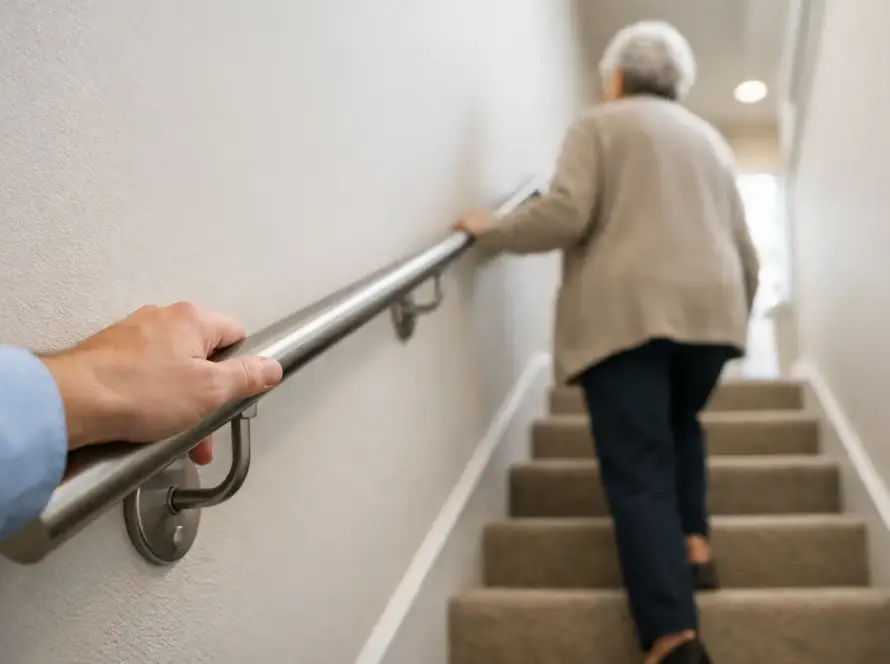
Pool fencing, stair rail systems, and security fencing deserve even closer attention. If these features are not stable and functioning properly, replacement may be less about preference and more about responsibility.
Appearance still matters
A fence does more than mark a boundary. It affects how a property looks and feels.
If the fence is faded, patched together from old repairs, visibly leaning, or badly rusted, it can pull down the appearance of the entire exterior. That matters for homeowners thinking about resale, landlords trying to maintain property standards, and business owners who want a clean, secure-looking site.
Sometimes the fence is technically still standing, but the visual wear is so advanced that replacement adds more value than another repair ever could. A new fence can improve both security and curb appeal at the same time.
Local conditions can speed up fence wear
Southern California is easier on fences in some ways and harder in others. You may not deal with freeze-thaw cycles like colder regions, but intense sun, dry heat, wind, and shifting soil still take a toll. Coastal areas may also see faster corrosion on metal fencing due to salt in the air.
That is why material choice matters during replacement. A fence should match the property’s needs, the local environment, and the level of maintenance you realistically want to keep up with. A good contractor will not just replace what was there before. They will help you choose an option that performs better over time.
What a professional inspection should tell you
If you are unsure when to replace a fence, a professional inspection should give you more than a yes-or-no answer. It should identify whether the issue is cosmetic or structural, how much of the fence is affected, whether the posts and footings are still solid, and what kind of repair life you can reasonably expect.
Clear communication matters here. You should know what can be repaired, what cannot, and why. If replacement is recommended, the reason should be practical, not sales-driven. That is the standard Hawklink Fences believes in – honest assessments, quality workmanship, and solutions built for long-term performance.
A fence does not need to be completely collapsed to justify replacement. If it is no longer secure, no longer safe, or no longer worth the cost of ongoing repairs, that is usually your answer. The right time to replace it is before small problems turn into larger ones, and before a weak boundary becomes a bigger risk than you planned for. A solid fence should give you confidence every time you pull into the driveway or lock up for the night.