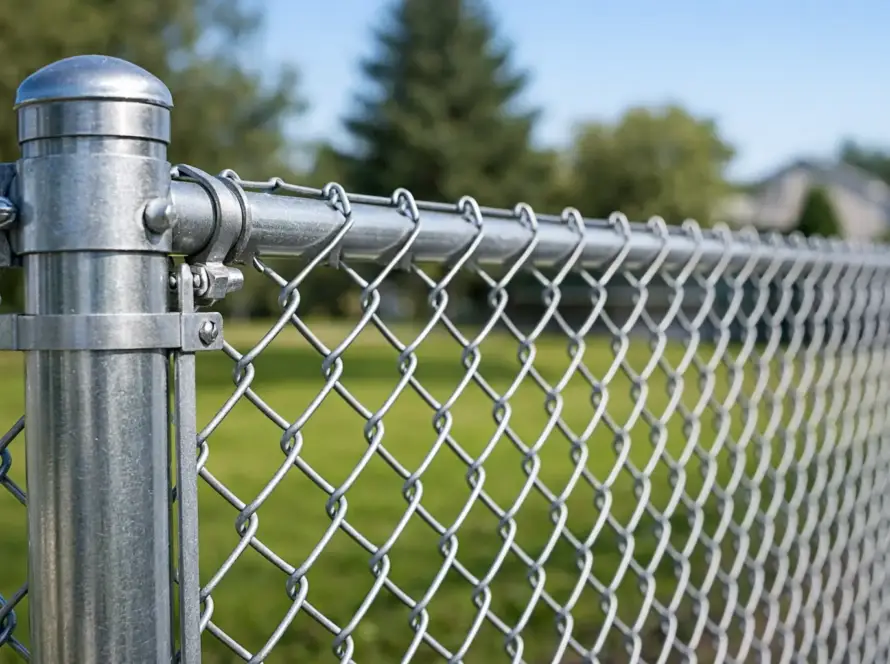
A chain link fence usually looks simple from the street. Then the work starts, and that simple fence turns into layout lines, grade changes, post spacing, gate alignment, permits, and concrete that has to set exactly where it should. That is why chain link fence installation is less about putting up mesh and more about getting the structure right from the ground up.
For homeowners, property managers, and business owners in Los Angeles, chain link remains one of the most practical fencing options available. It is strong, cost-effective, low maintenance, and versatile enough to work for backyards, side yards, apartment properties, warehouses, parking areas, schools, and service yards. When it is installed correctly, it gives you a clean boundary and dependable security without creating ongoing maintenance problems.
Why chain link fence installation is still a smart choice
Chain link fencing has been around for a long time for one simple reason – it works. It creates a clear perimeter, holds up well in daily use, and performs in both residential and commercial settings. If your goal is reliable security without the higher cost of ornamental metal or wood fencing, chain link is often the right fit.
It is also flexible in terms of design. Many people picture the standard galvanized silver finish, but chain link can also come in vinyl-coated options such as black, which tends to look cleaner and more finished on residential and mixed-use properties. Privacy slats and screening can also be added when visibility is a concern.
That said, chain link is not the right answer for every property. If complete privacy is your top priority, wood, vinyl, or masonry may make more sense. If appearance is the deciding factor for a front-facing decorative application, iron may be a better investment. The right choice depends on what the fence needs to do first – secure, contain, define, screen, or improve curb appeal.
What good installation actually involves
The quality of a chain link fence is decided long before the mesh is stretched. A dependable installation starts with a site visit and a clear plan. The installer needs to understand property lines, slope, access points, gate locations, and the purpose of the fence. A backyard pet enclosure has different demands than a commercial security perimeter.
Layout matters more than many people realize. If the line is off, the whole fence can look uneven or create problems at the property edge. If the spacing between posts is inconsistent, the mesh tension can suffer. If terminal posts are undersized or poorly set, gates can sag and the fence can lose strength over time.
A proper installation usually includes setting terminal posts first, then line posts, then rails and fabric, followed by tensioning and tying everything together. On sloped ground, the fence may need to be racked to follow the grade or stepped in sections depending on the site conditions. Neither approach is automatically better. It depends on the terrain, the look you want, and whether there are gaps that could create security or containment issues.
Materials make a bigger difference than most people expect
Not all chain link fences are built the same. One of the biggest differences is the gauge and quality of the steel. Thicker, heavier components generally perform better, especially in high-traffic or commercial environments. Lighter materials may reduce upfront cost, but they can also reduce lifespan and overall stability.
The finish matters too. Galvanized chain link is a common choice because it resists corrosion and offers a practical industrial look. Vinyl-coated chain link adds another layer of protection and often improves appearance, especially in black. In many residential settings, black chain link blends into the background better and gives the property a more polished look.
Posts, rails, fittings, and gates all need to match the intended use of the fence. A fence is only as strong as its framework. If you have a heavy swing gate, frequent access, or a security-sensitive area, those components should be selected with that use in mind rather than treated as standard.
The biggest issues that can affect installation
Every property has its own complications. In Los Angeles, one of the most common is terrain. Sloped yards, retaining walls, narrow side access, and hard soil can all change the scope of work. A fence line that looks straightforward on paper may require adjustments once the crew begins layout.
Another issue is underground conditions. Utilities, irrigation lines, tree roots, and existing concrete can all affect post placement. Good planning helps avoid surprises, but experienced installers also know how to adjust without compromising the strength of the fence.
Permits and local requirements can also come into play. Height limits, setback rules, and shared property line questions should be handled before work begins. This is especially important for multifamily properties and commercial sites, where code and access concerns tend to be less forgiving.
Then there is gate placement. Gates are often treated like an add-on, but they should be part of the plan from the start. A poorly placed gate can create daily frustration, while a well-placed one improves traffic flow, security, and convenience. For commercial properties, this can affect deliveries, vehicle access, and overall site function.
Residential vs. commercial chain link fence installation
Residential projects usually focus on security, pet containment, child safety, and defining property lines. In those cases, appearance matters along with function. Homeowners often want a fence that does the job without making the property feel closed off or industrial. Height, finish, and gate style all play a part.
Commercial projects are often more performance-driven. The priorities tend to be perimeter control, durability, access management, and low long-term maintenance. That can mean taller fences, stronger framework, barbed wire where allowed, or larger gates for service access. The installation also has to account for heavier use and stricter expectations around reliability.
The core process is similar in both cases, but the material choices and site demands are usually different. That is why a one-size-fits-all approach rarely works well.
How to tell if a quote is based on quality
Price matters, but the lowest number on paper does not always give you the best result. With chain link fence installation, important details can get stripped out of a quote without being obvious at first glance. You may be comparing different material gauges, post depths, gate hardware, or finish quality without realizing it.
A solid estimate should explain what is being installed, not just give a total. It should cover fence height, material finish, post size, gate details, removal of old fencing if needed, and any site conditions that could affect the scope. Clear communication at this stage usually leads to a smoother project overall.
This is where working with a contractor that values workmanship makes a difference. A fence that is built to last is rarely the result of rushed planning or corner-cutting. It comes from careful measurement, proper materials, and crews that know how to handle site conditions the right way.
What to expect after installation
One reason chain link remains popular is that maintenance is relatively simple. There is no painting schedule, no frequent sealing, and no risk of rot like you get with wood. In most cases, occasional inspection and basic cleaning are enough.
That does not mean it should be ignored. Gates should be checked periodically, especially in high-use areas. If hardware loosens or a gate begins to drag, small adjustments early can prevent larger repairs later. If a section is hit or bent, addressing the damage quickly helps keep the rest of the fence secure.
A well-installed chain link fence should give you years of reliable service with minimal upkeep. That is the value of doing it right the first time.
Choosing the right contractor for the job
Fence installation is one of those projects where experience shows. Straight lines, secure posts, smooth gate operation, and clean finishes do not happen by accident. They come from planning, field knowledge, and attention to detail.
When you are comparing contractors, look for clear estimates, on-site evaluation, and direct answers about materials and process. Licensed and insured service matters. So does a track record of showing up, communicating well, and standing behind the work. Hawklink Fences approaches projects that way because customers are not just buying fence materials – they are trusting someone to secure and improve their property.
If you are considering chain link, the best next step is not guessing from online photos or pricing averages. It is getting a professional assessment of your site, your goals, and the right setup for how the fence will actually be used. A good fence should solve problems, not create new ones later.