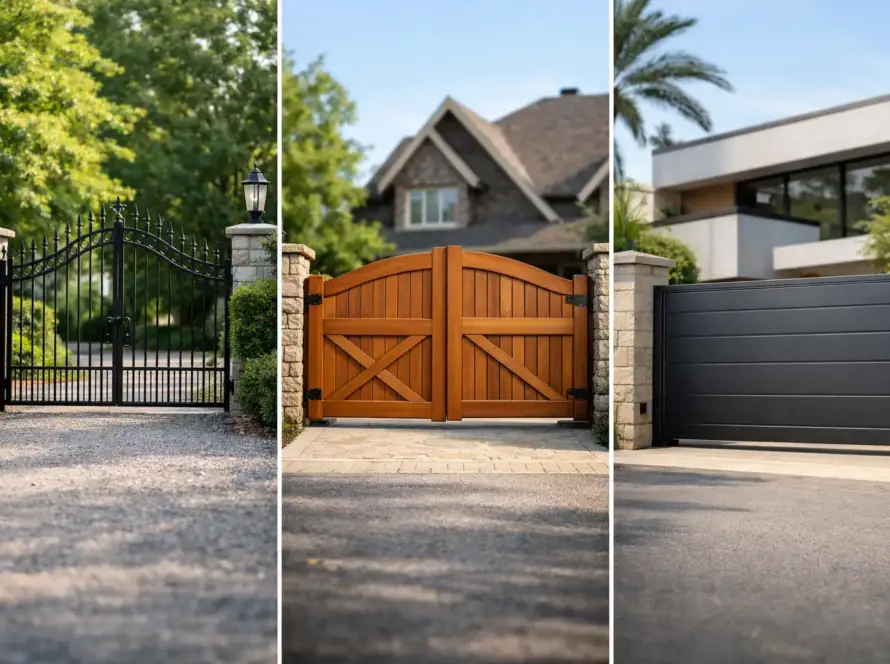
A security door usually gets attention after something goes wrong – a break-in nearby, a damaged frame, a door that no longer closes right, or a property that simply feels too exposed. A good security door buying guide helps you make the decision before urgency takes over. That matters, because the right door should do more than look strong. It should match the opening, the building, the level of use, and the kind of security problem you are actually trying to solve.
In Los Angeles, that decision often comes with extra variables. Sun exposure, salt air in some areas, heavy daily traffic on multi-unit buildings, and the need to balance security with curb appeal all affect what makes sense. A front entry for a single-family home does not need the same setup as a side service door for a retail building or a shared entry on a rental property. The best choice is rarely the most expensive option. It is the one built and installed for the real conditions on site.
What a security door should actually do
A security door is not just a heavier door. Its job is to create resistance at the most vulnerable points – the slab, frame, hinges, lock area, and attachment to the structure. If one of those parts is weak, the rest of the door can underperform.
That is why materials alone do not tell the whole story. Steel is a strong choice, but steel with a weak frame or poor anchoring can still fail. Decorative iron can provide solid protection and strong visual appeal, but the design needs to be fabricated with security in mind, not just appearance. For many properties, the smartest approach is a custom-fit door with a properly reinforced frame and quality hardware, installed by a contractor who pays attention to alignment, anchoring, and finish details.
A good security door should also work well every day. If it sticks, slams, rattles, or becomes difficult to lock, people stop using it correctly. That creates its own security problem. Strength matters, but usability matters too.
A practical security door buying guide for materials
Most buyers start with material, and that makes sense. It affects strength, maintenance, appearance, and cost.
Steel is one of the most common choices because it offers strong resistance and clean lines. It works well for residential and commercial applications, especially when security is the main priority. The trade-off is maintenance. In coastal or high-moisture environments, poor finishing or damage to the coating can lead to rust over time.
Wrought iron or ornamental iron security doors are popular when appearance matters as much as protection. They can complement traditional, Mediterranean, and many custom home styles while still delivering real security. The key difference is fabrication quality. A well-built iron door should feel solid, close properly, and have welds and finishes that hold up under use and weather.
Aluminum may be used in certain applications where lighter weight and corrosion resistance are priorities, but it is not always the first choice for maximum security. It depends on the design and intended use. For lower-risk openings or specific architectural needs, it can make sense. For high-security needs, buyers often lean toward steel or iron.
Screen security doors are another category to think about carefully. Some offer ventilation with added protection, which is useful for homes that want airflow without leaving the main entry exposed. But not all screen-style doors provide the same level of security. Some are closer to upgraded storm doors than true security barriers. If security is the goal, ask about frame strength, mesh type, lock quality, and how the unit is anchored.
Where the real strength comes from
Many people compare door panels and overlook the frame. That is a mistake. Forced entry often happens at the jamb or lock area, not through the middle of the door.
A proper security door system includes a reinforced frame, quality hinges, secure strike points, and strong attachment into the surrounding structure. If the frame is installed into weak material or out of square, the door may never perform the way it should. Even a premium lock cannot make up for a weak install.
This is where custom sizing matters. Older homes, retrofitted openings, and commercial buildings with wear or settlement often do not have perfectly standard dimensions. A made-to-fit installation usually performs better than trying to force a stock product into an opening that needs adjustment.
Choosing the right lock and hardware
Hardware is where daily function and actual security meet. A strong door with entry-level hardware leaves a gap in the system.
For most properties, a quality deadbolt is a baseline. On some commercial or multi-unit applications, you may need panic hardware, closer systems, access control compatibility, or specific code-related features. If the opening is part of an egress route, life safety requirements need to be considered from the beginning.
Hinges deserve attention too. Exposed hinges should include security features that reduce tampering risk. Handles, closers, and latch systems should be selected based on how the door will be used. A front door at a home has different demands than a side entry at a business that opens dozens of times a day.
This is also where cheap upgrades can cost more later. Hardware that loosens, binds, or corrodes too early leads to service calls, tenant complaints, and premature replacement. It is usually better to spend more on dependable components than to replace failing hardware piece by piece.
Matching the door to the property
The best security door buying guide should tell you this clearly: the right door depends on the property type.
For homeowners, the decision often comes down to front entry security, ventilation, and curb appeal. You want the door to look right with the house, but also provide visible protection. Decorative iron designs, glass protection features, and custom finishes can all work well if the door is built with solid framing and quality locks.
For rental properties and apartment buildings, durability and consistency usually matter most. Property managers need doors that can handle repeated use, hold alignment, and stay serviceable over time. A simpler design with dependable hardware often performs better than something ornate that is harder to maintain.
For commercial properties, function tends to lead the conversation. Security needs may include controlled access, after-hours protection, resistance to wear, and compatibility with other site features such as gates, fencing, or rail systems. In these cases, the door should be part of the broader security plan, not a standalone add-on.
Style matters, but not at the expense of performance
A security door is one of the first things people notice at an entry. It should look intentional, not like an afterthought. The good news is you do not have to choose between appearance and protection.
Powder-coated finishes, custom ironwork, cleaner modern patterns, and color-matched designs make it possible to improve security without hurting the look of the property. That said, some highly decorative doors include too many visual elements and not enough structural substance. If the design has scrollwork, glass, or open sections, ask how those features affect strength, maintenance, and long-term durability.
Simple designs often age better. They are easier to maintain, easier to match with the property, and less likely to feel dated a few years from now.
Questions worth asking before you buy
Before choosing a door, ask what problem the door is solving. Are you trying to prevent forced entry at a front door, secure a side entrance, improve tenant safety, allow airflow, or replace a damaged existing unit? The answer affects everything from material to hardware to finish.
You should also ask whether the door will be custom fabricated or ordered in a standard size, what kind of frame reinforcement is included, what finish is used for weather protection, and what type of lock preparation is built in. If installation is part of the job, ask how the frame will be anchored and whether the surrounding opening needs repair first.
Clear answers matter. A dependable contractor should be able to explain the trade-offs without overselling. At Hawklink Fences, that kind of straightforward guidance is part of what customers are really paying for – not just the product, but the workmanship behind it.
Why installation can make or break the investment
A poorly installed security door can look fine on day one and cause problems soon after. Misalignment leads to sticking. Weak anchoring affects security. Sloppy finishing creates rust points, gaps, and wear.
Professional installation should include accurate measurement, proper prep of the opening, secure frame attachment, clean operation, and final adjustment so the lock, hinges, and latch all work as they should. It should also account for local conditions. In Southern California, sun, heat, and exposure can be hard on finishes and moving parts if the materials and coatings are not selected carefully.
That is why the cheapest quote is not always the best value. If corners are cut on fit, hardware, or installation time, you may end up paying twice.
The right security door should feel solid every time it opens and closes. It should add confidence without adding hassle. When you choose based on real conditions, quality fabrication, and proper installation, you get more than a stronger entry – you get a solution that holds up, looks right, and does its job for years.