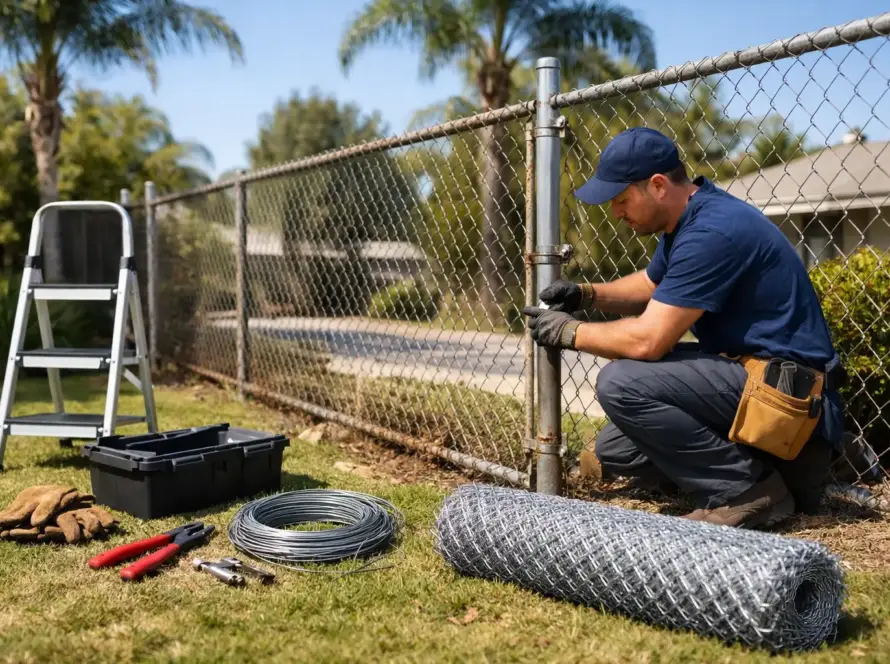
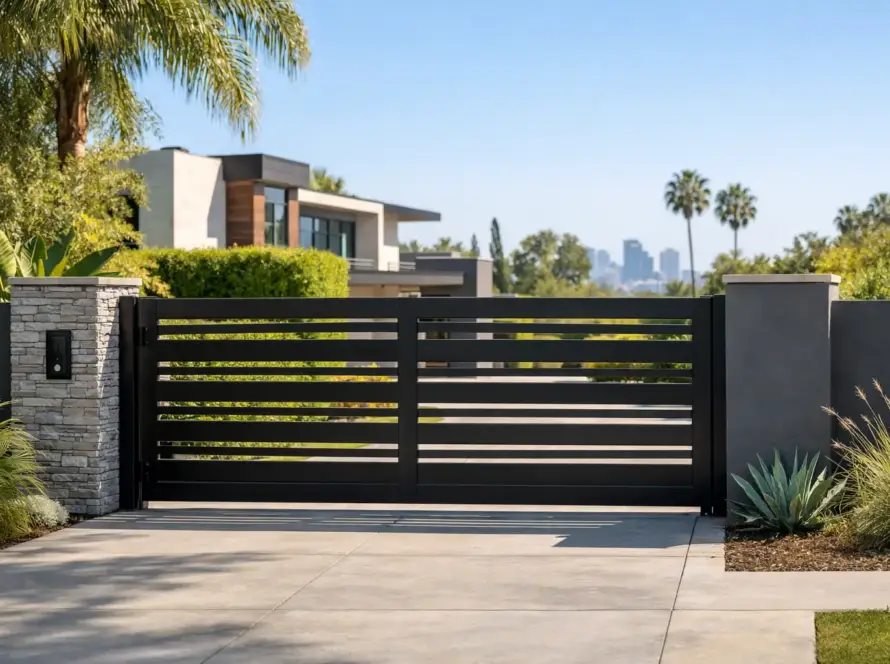
If you are pricing a new gate for your home, apartment building, or commercial property, the automatic gate installation cost can vary more than most people expect. Two gates may look similar from the street, but the price can change fast based on the opening size, slope, material, motor setup, access controls, and the condition of the existing fence line. That is why the real answer is not just a number – it is a breakdown.
For property owners in Los Angeles, that breakdown matters. Automatic gates are often part security upgrade, part convenience improvement, and part curb appeal investment. Whether you are replacing a worn manual gate or planning a full entry system from scratch, it helps to know what actually moves the price.
What affects automatic gate installation cost
The biggest cost drivers are the gate style, the size of the opening, the material, and the operator system. A small residential swing gate with basic controls will land in a very different price range than a heavy-duty sliding gate for a commercial driveway.
Site conditions matter just as much as the gate itself. If the area is level, clear, and ready for installation, labor is more straightforward. If there is a steep driveway, failing posts, broken concrete, poor drainage, or no power near the opening, the job becomes more involved. Good contractors account for those conditions early so there are fewer surprises once work begins.
In Southern California, design expectations also play a role. Many owners want a gate that does more than open and close. They want it to match iron fencing, improve the front elevation, and hold up to regular use without looking like an afterthought. Custom fabrication raises the price, but it can also solve fit, security, and appearance issues that off-the-shelf systems cannot.
Typical automatic gate installation cost ranges
A basic residential automatic gate installation may start in the low thousands, but custom systems often move well beyond that. In many cases, homeowners can expect a simple automatic driveway gate to fall somewhere around $4,000 to $12,000 installed, depending on gate type, material, automation components, and site work.
For larger homes, multi-family properties, and commercial sites, costs can rise into the $12,000 to $25,000 range or more. That usually reflects heavier gate panels, larger openings, stronger operators, advanced entry systems, safety devices, and more demanding installation conditions.
These ranges are broad on purpose. A quote that sounds cheap at first may not include electrical work, access control, safety loops, keypad systems, concrete work, or custom fabrication. A higher quote may actually be more complete. When comparing bids, it is smart to check exactly what is included, not just the bottom-line number.
Gate type changes the price fast
Swing gates
Swing gates are common for residential properties and can work well when there is enough clearance for the gate to open inward or outward. They can be elegant, practical, and a good fit for many driveways. In general, they are often simpler in appearance, but the installation still depends heavily on hinge posts, alignment, and available space.
If the driveway slopes upward near the entry, a swing gate may require design adjustments or may not be the best choice at all. That is where costs can increase, because the solution may involve custom geometry, specialty hardware, or a different gate type entirely.
Sliding gates
Sliding gates usually cost more than basic swing gates, especially when they require a track system, cantilever design, or reinforced support structure. They are often the better option for properties with limited swing space, tighter setbacks, or sloped driveways.
Commercial properties often favor sliding gates because they handle frequent use well and provide strong perimeter control. They also tend to involve more fabrication and structural support, which raises both material and labor costs.
Materials and fabrication matter
An automatic gate is not just an operator attached to a metal panel. The gate has to be built to carry its own weight, resist wear, and stay aligned through years of regular opening and closing.
Wrought iron and ornamental iron gates remain popular because they offer strong security and a clean, upscale look. Steel can provide excellent strength as well, especially for larger commercial applications. Aluminum may lower weight and reduce corrosion concerns, but the right choice depends on the size of the gate, the look you want, and how much daily use it will see.
Custom fabrication adds cost, but it often delivers better long-term value. A properly fabricated gate fits the opening, matches the fence line, supports the automation system correctly, and avoids the problems that come from forcing standard components into a non-standard space.
Automation equipment is a major part of the budget
The motor and control system are a large share of automatic gate installation cost. Light residential use requires a different operator than a gate serving a business, apartment complex, or busy shared driveway.
The equipment package may include the gate operator, control board, safety photo eyes, remote transmitters, keypad, intercom, loop detectors, magnetic lock, battery backup, and smart access features. The more control and security you want, the more the system costs.
This is also where quality matters. Lower-cost components can reduce the initial bill, but they may not hold up well under daily use or exposed outdoor conditions. Replacing failed operators, troubleshooting wiring issues, or dealing with recurring service calls can erase early savings quickly.
Electrical work and access control
One of the most overlooked parts of a gate quote is power. If electrical service is already close to the gate location, the installation is usually more straightforward. If power has to be extended across a long driveway, through finished concrete, or around landscaping, costs can climb.
Access control can be simple or advanced. A basic remote entry system is one thing. A commercial property with keypad entry, telephone entry, card readers, exit loops, and monitored safety devices is another. Neither is wrong. It depends on how the property is used and how much control you need.
For apartment buildings and commercial sites, the entry system is often where convenience and liability meet. A gate should not only operate reliably. It should also manage access clearly and safely for residents, staff, vendors, and visitors.
Site conditions can add hidden costs
Existing structures
If there is an old gate, failing posts, damaged masonry, or fence sections that need to be tied into the new system, that work affects the final number. Removal and disposal may be minor on some jobs and significant on others.
Concrete and foundations
Automatic gates rely on stable support. New footings, operator pads, track foundations, or post reinforcement are common parts of the installation. If the base structure is weak, the gate system will not perform the way it should.
Slope, space, and drainage
A level site is easier to build on than a sloped or tight one. Drainage problems can also shorten the life of components if water pools near the track, operator, or post foundations. A good estimate should take these conditions seriously instead of treating them like small details.
Residential vs. commercial pricing
Homeowners usually focus on appearance, convenience, and security at the driveway or side yard entry. Commercial owners and property managers often need something heavier-duty with more cycles per day and more durable access control.
That difference shows up in cost. Commercial gate systems usually require stronger operators, more safety hardware, and a more durable gate frame. They may also need tighter coordination with fire access, delivery traffic, tenant access, and security procedures.
How to compare estimates the right way
If you receive multiple quotes, do not compare them line by line based only on price. Check whether the contractor included fabrication, operator brand and capacity, electrical scope, safety devices, access controls, demolition, concrete work, finish details, and warranty coverage.
This is also the time to ask how the gate is being built. A well-installed automatic gate should feel solid, operate smoothly, and be set up for long-term performance. Clear communication matters because small omissions during estimating often become expensive change orders later.
For Los Angeles property owners, working with a licensed and insured contractor who understands custom fabrication, gate automation, and the realities of local property layouts can make the process much smoother. Companies like Hawklink Fences build value by being clear about scope, realistic about conditions, and committed to workmanship that lasts.
Is an automatic gate worth the cost?
For many properties, yes – if the system fits the site and is installed correctly. An automatic gate can improve security, control access, add convenience, and upgrade the overall look of the entrance. But the return depends on choosing the right gate style, operator strength, and layout for how the property is actually used.
The cheapest option is not always the best value. A gate that struggles with alignment, lacks proper safety equipment, or uses undersized components will usually cost more over time. A well-built system may cost more upfront, but it is more likely to deliver the reliability, protection, and appearance you wanted in the first place.
If you are budgeting for a new gate, the best next step is a site-specific estimate. Once the opening, power source, terrain, and usage needs are clear, the numbers become much more useful – and so does the decision.