A gate usually gets attention for one of two reasons – it looks great, or it stops doing its job. In Los Angeles, where properties deal with security concerns, curb appeal pressure, and constant sun exposure, custom gates Los Angeles owners install need to do more than open and close. They need to protect the property, match the architecture, and hold up over time without becoming a maintenance headache.
That is why custom work matters. A standard off-the-shelf gate can fit the opening, but that does not mean it fits the property. Homes in the Hills, multi-unit rentals in the Valley, storefronts, side-yard entries, and gated driveways all have different demands. The right gate is built around how the property is used every day.
Why custom gates make sense in Los Angeles
Los Angeles properties are rarely one-size-fits-all. Driveways slope. Entry widths vary. Some owners want privacy from the street, while others need visibility for safety or tenant access. In many cases, the gate also has to work with an existing fence, retaining wall, keypad system, or automatic opener.
A custom gate solves those issues before they become expensive callbacks. Instead of forcing a pre-made product into a space it was never designed for, fabrication starts with actual site conditions. That leads to better alignment, smoother operation, and a cleaner finished look.
There is also the appearance factor. In LA, exterior upgrades are part security decision and part design decision. A gate sits front and center. If it looks out of place, the whole frontage can feel off. Custom fabrication gives property owners control over spacing, height, ornamental details, finish, and material so the gate feels intentional rather than added as an afterthought.
Choosing the right custom gates Los Angeles properties need
The best gate for a property depends on how it will be used. That sounds obvious, but it is where many projects go wrong. A gate for a private home driveway is not built the same way as a gate for an apartment walkway or a commercial loading area.
For residential properties, owners often want a balance of privacy, safety, and curb appeal. Wrought iron and steel are common choices because they are strong, durable, and flexible in design. Some homeowners prefer open picket styles that keep the front visible. Others want tighter patterns or added panels for more privacy.
For rental and multifamily properties, reliability matters as much as looks. Property managers usually need gates that can handle frequent use and still stay aligned. Simple, durable designs often make the most sense here, especially when paired with secure latches or entry systems that reduce tenant issues.
Commercial properties usually lean more heavily toward security and access control. A custom gate may need to secure equipment yards, manage vehicle entry, or separate public and restricted areas. In those cases, strength, frame construction, and hardware selection matter more than decorative details.
Material choices and what they really mean
Material affects cost, appearance, upkeep, and lifespan. There is no single best option for every property.
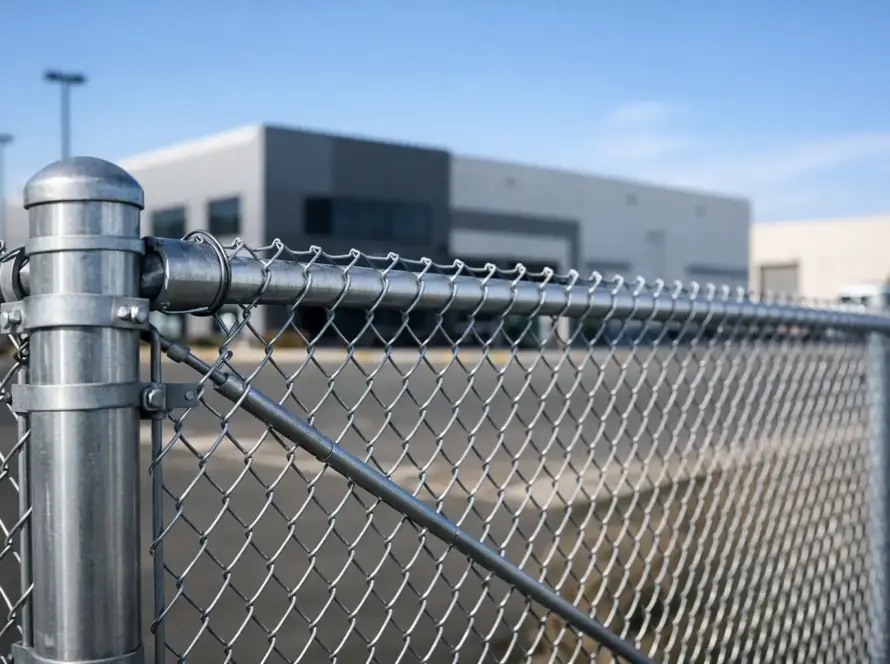
Steel and iron remain top choices for custom gates because they offer strength and long-term durability. They also work well for both decorative and security-focused designs. A properly fabricated and finished iron gate can make a property look more polished while still delivering serious protection.
Aluminum is lighter and naturally resistant to rust, which can be appealing for some applications. The trade-off is that it does not always offer the same solid feel or level of security as steel for heavy-duty use. It can be a good fit when weight is a concern or when a cleaner, simpler look is the goal.
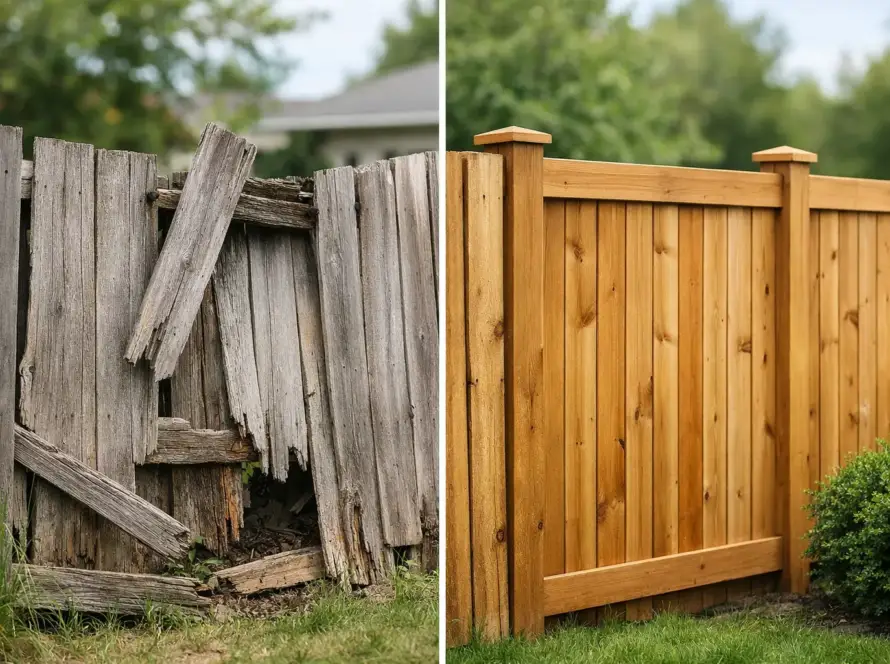
Wood can provide warmth and privacy, but it generally needs more maintenance in Southern California conditions. Sun exposure, dry weather, and movement over time can affect appearance and performance. Some owners like the look enough to accept that trade-off. Others decide they would rather have the lower maintenance of metal.
Powder coating and protective finishes also matter. Even the strongest gate can fail early if the finish is poor or the fabrication cuts corners. Good workmanship shows up in the welds, frame stability, hinge quality, and how well the gate is prepared for long-term outdoor use.
Style matters, but function comes first
A custom gate should look right with the property, but it still has to work every day. That means layout, swing clearance, latch placement, and access points need to be thought through from the beginning.
Swing gates can look classic and work well on many homes, but they need enough clearance to open properly. On tighter lots or sloped driveways, a sliding gate may be the smarter option. Automatic systems add convenience, but they also add components that need proper planning and installation.
That is where on-site consultation matters. What looks good in a photo is not always practical in real conditions. A contractor should be looking at grade changes, wall locations, vehicle turning radius, and how people actually move through the space. A gate that is beautiful but awkward to use will become frustrating fast.
Security without making the property look harsh
One of the biggest concerns property owners have is how to increase security without making the property look unwelcoming. That is a fair concern, especially for homes and customer-facing businesses.
The good news is that security and appearance are not opposites. A well-built custom gate can create a stronger boundary, control access, and improve peace of mind while still looking clean and professional. Height, picket spacing, lock type, and entry hardware all play a role.
For some properties, visibility is part of security. An open-style iron gate can allow clear sightlines while still acting as a strong barrier. For others, privacy is more important, and a more enclosed design makes better sense. It depends on the property layout, neighborhood conditions, and how the space is used.
What separates a good gate from a problem gate
A gate can look fine on day one and still be poorly built. The difference usually shows up later when it starts sagging, dragging, sticking, or wearing out faster than expected.
Strong fabrication starts with accurate measurements and a frame built for the size and weight of the gate. Hinge placement has to support movement without strain. Posts need to be set correctly. Latches and hardware need to match the level of use. If automation is involved, that system has to be installed and adjusted properly too.
This is why experienced installation matters just as much as the design itself. Even a high-quality custom gate can fail if the site prep is sloppy or the alignment is off. Property owners are better served by contractors who focus on long-term performance, not just getting the project wrapped up quickly.
Repairs, upgrades, or full replacement?
Not every gate problem means starting over. In some cases, repairs make sense. A damaged hinge, worn latch, bent panel, or failing opener may be fixable without replacing the entire gate.
But there are times when replacement is the smarter investment. If the gate is undersized for the opening, heavily rusted, structurally weak, or constantly causing service issues, repairs can turn into repeated short-term spending. A new custom gate often gives better value when the old one no longer fits the property’s needs or condition.
A trustworthy contractor should be honest about that difference. Sometimes the right answer is a targeted repair. Sometimes it is a full rebuild. Clear communication matters because property owners need to know where their money is going and what result to expect.
Working with the right contractor in Los Angeles
When comparing contractors for custom gates Los Angeles projects, price should not be the only filter. Gates take real fabrication skill, not just installation labor. The contractor should understand layout, structural support, finish quality, and how to build for both appearance and daily use.
It also helps to work with a company that handles related exterior security work, because gates rarely exist in isolation. They often need to tie into fencing, handrails, security doors, or access systems. A contractor with broader experience can usually spot issues earlier and deliver a cleaner final result. That practical, start-to-finish approach is a big reason property owners turn to companies like Hawklink Fences for custom work built to last.
A good process should feel straightforward. Site visit. Clear estimate. Honest recommendations. Professional installation. No guesswork, no hard sell, and no disappearing once the job starts.
A custom gate is one of those upgrades that pays off every time you use it. When it is built well, it adds security, improves appearance, and makes the property feel finished. If you are planning one, the best next step is simple: choose a design that fits your property, and a contractor who treats durability like the main feature, not an extra.