A fence usually becomes urgent right after something goes wrong. A gate starts dragging, a section leans after a windy week, a tenant reports a broken latch, or a business owner realizes the perimeter no longer feels secure after dark. When that happens, finding the right fence contractor Los Angeles property owners can rely on is less about getting the cheapest quote and more about getting work that holds up.
In Los Angeles, fencing has to do more than mark a line. It has to handle sun exposure, daily use, shifting ground in some areas, and the practical demands of security, privacy, and appearance. That is why choosing a contractor should start with how they work, not just what they charge.
What a fence contractor in Los Angeles should actually help you solve
A good contractor is not just there to install panels and leave. They should be able to look at your property and understand the real issue behind the project. For one homeowner, that may be backyard privacy. For another, it may be replacing a worn-out side gate that no longer locks properly. For a property manager, it may be recurring repair calls from tenants because an old fence was patched too many times instead of rebuilt correctly.
Commercial jobs often have even more moving parts. Security needs, access control, pedestrian flow, and property appearance all matter at the same time. A fence that looks fine on paper may not be the right fit if it creates maintenance problems, weak entry points, or visibility issues around the property.
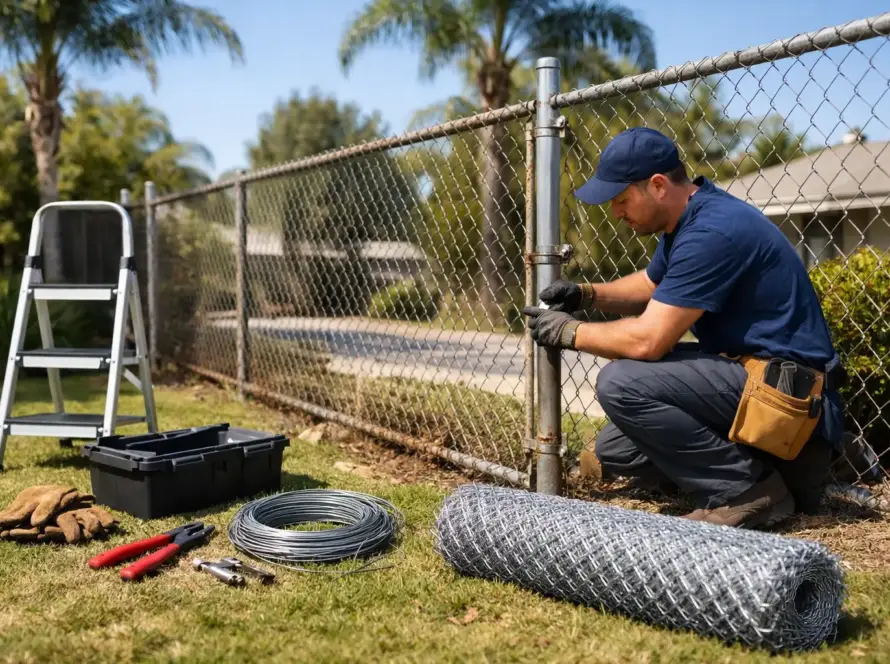
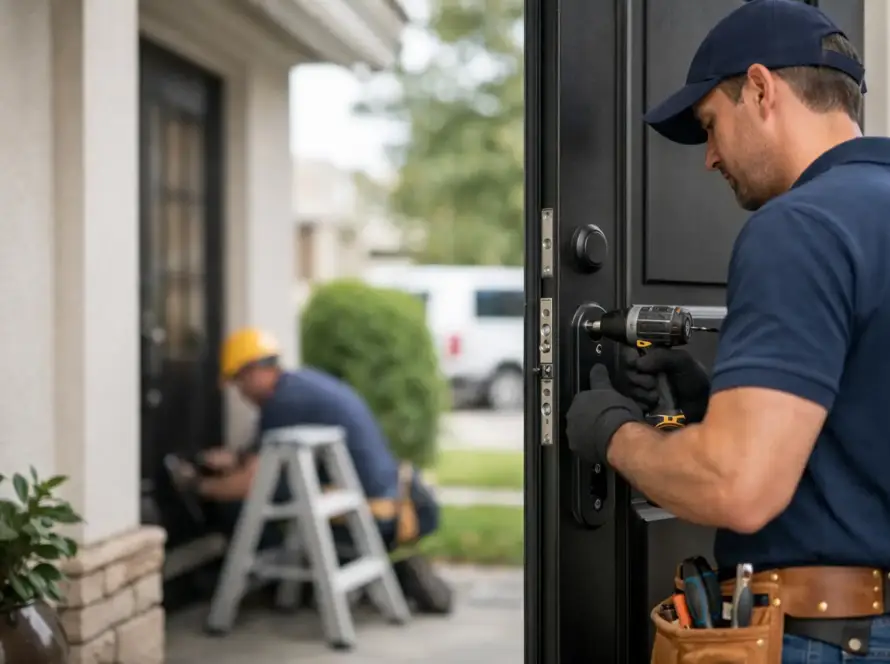
That is why experience across different types of work matters. A contractor who handles chain link, iron fencing, custom gates, repairs, handrails, cable railing, and security doors can usually give more practical advice than someone who only installs one product. They can recommend a solution based on use, budget, and durability instead of trying to force every project into the same template.
How to evaluate a fence contractor Los Angeles owners can trust
The first thing to look for is clear communication. If a contractor is hard to reach before the job starts, that usually does not improve once the work is underway. You want someone who shows up for the consultation, explains the scope in plain language, answers questions directly, and provides an estimate that makes sense.
Licensing and insurance matter too, not as a sales line, but as basic protection for everyone involved. Fencing projects involve tools, materials, fabrication, and installation work that should be handled professionally. A licensed and insured contractor signals that the business is operating seriously and is prepared to stand behind its work.
It also helps to pay attention to how specific the estimate is. A vague quote can create expensive problems later. You should know what is being installed, what materials are being used, whether old fencing is being removed, what kind of gate hardware is included, and how repairs or custom fabrication are being handled if unexpected issues come up.
A trustworthy contractor should also be comfortable discussing trade-offs. For example, chain link can be a strong and cost-effective option for security and boundary definition, but it will not provide the same privacy as a solid fence. Ornamental iron can improve curb appeal and strength, but it may require a different budget and design approach than standard prefabricated options. Honest guidance is a good sign. Overpromising is not.
Materials matter, but installation matters just as much
Property owners often spend a lot of time comparing materials and not enough time asking about workmanship. Material choice is important, but even good material can fail if the installation is rushed or corners are cut.
Posts need to be set correctly. Gates need proper alignment. Hardware needs to fit the job. Welds, connections, anchoring, and finish work all affect how the fence performs over time. If a contractor treats these details like afterthoughts, the project may look good for a month and become a problem after a season of use.
This is especially true in Los Angeles, where appearance and function usually have to work together. Many owners want security without making the property look harsh or unfinished. That means the right contractor has to think beyond basic installation and pay attention to proportion, layout, access points, and overall fit with the property.
For stairways, balconies, and elevated spaces, the same principle applies to handrails and cable railing systems. These features are not just visual upgrades. They affect safety and daily use. A contractor with solid fabrication and installation standards will treat them accordingly.
Repairs versus replacement
Not every fencing problem requires a full replacement, but not every damaged fence is worth patching either. A dependable contractor should be able to tell the difference.
A localized issue, such as a bent section, damaged gate hardware, or a single failed post, may be a straightforward repair. That can save money and extend the life of the existing fence. On the other hand, if the structure is failing in multiple areas, the fence is out of alignment, or the material has reached the end of its useful life, repeated repairs can become the more expensive option.
This is where on-site evaluation matters. Photos can help, but they do not always show what is happening below the surface or across the full line of the fence. Ground conditions, hidden rust, poor prior workmanship, and long-term wear are easier to assess in person.
A contractor focused on long-term results should be willing to recommend replacement when repair no longer makes practical sense, even if that is not the fastest way to close a sale. Customers usually remember that kind of honesty.
What good project execution looks like
Strong project execution is rarely flashy. It is usually a series of simple things done well.
The contractor arrives when expected. The scope matches the estimate. Materials are consistent with what was discussed. Questions are answered during the job instead of avoided. The work area is handled professionally. The finished fence feels solid, the gates swing and latch correctly, and the final result looks intentional rather than pieced together.
That kind of consistency matters for homeowners, but it is especially important for landlords and commercial property owners. Delays, communication gaps, and rework can affect tenants, operations, and scheduling. A dependable contractor understands that the project is not happening in a vacuum. People are living there, working there, or managing the property while the work is being done.
This is one reason many Los Angeles property owners prefer working with a full-service contractor instead of juggling separate vendors for fencing, gates, railings, and security features. When one company can handle the broader scope, communication tends to be clearer and the final result is more cohesive.
Why local experience makes a difference
Los Angeles is not one-size-fits-all. A residential property in a quiet neighborhood has different priorities than a storefront, apartment building, warehouse, or multi-unit property. The fence style, access needs, and wear patterns can vary a lot depending on the setting.
A local contractor with real experience in the area is more likely to understand those differences. They know that some clients need stronger perimeter security, others need better curb appeal, and many need both. They also know that practical constraints such as lot layout, slope, traffic exposure, and existing structures can shape the best solution.
That local knowledge often shows up in the estimate and recommendations. Instead of a generic sales pitch, you get a plan that fits the property. That saves time, reduces surprises, and usually leads to a better finished product.
For customers looking for a contractor who values durable materials, clear communication, and workmanship that holds up, Hawklink Fences reflects the kind of service model that makes sense in this market.
The right hire is the one that gives you fewer problems later
A fence is not just a line around a property. It affects security, safety, access, appearance, and peace of mind. That is why hiring the right contractor should feel less like buying a product and more like choosing a team that will do the job properly from start to finish.
If a contractor is transparent, responsive, experienced across multiple fence and gate types, and serious about quality, that usually shows in the result. And when the work is built to last, you spend less time dealing with callbacks, repairs, and second-guessing after the installation is done.
The best choice is usually not the one with the fastest promise or the lowest number. It is the contractor who makes the project feel clear, solid, and handled before the first post even goes in.