A fence can look great on day one and still be the wrong choice for your property. That usually happens when people focus on style first and only think about upkeep, security, and weather after the install is done. If you are figuring out how to choose fence materials, the best place to start is not color or design. It is with the job the fence needs to do.
A backyard privacy fence has different demands than a front yard accent fence. A rental property needs something different than a custom home. A commercial perimeter has its own priorities entirely. When the material matches the purpose, the project holds up better, performs better, and usually costs less over time.
How to choose fence materials based on your property
The right material depends on a few practical questions. Do you need privacy, security, curb appeal, pet containment, pool safety, or a clear property boundary? Are you trying to block visibility, discourage climbing, or reduce maintenance? The more specific you are about the goal, the easier the material choice becomes.
In Los Angeles and across Southern California, climate matters too. Strong sun, dry conditions, occasional wind, and coastal moisture in some areas all affect how a fence ages. A material that looks good in a catalog may not be the best fit for a property that gets direct heat all day or sits closer to salt air.
Budget also needs a realistic view. Initial price matters, but so does repair frequency, repainting, sealing, rust prevention, and lifespan. A lower upfront cost can turn into more maintenance and earlier replacement. On the other hand, paying for a premium material where a simpler one would do is not always the smartest move either.
Start with function before appearance
Most fence decisions get easier when you rank your priorities. If privacy is first, wood and vinyl often make more sense than chain link or ornamental iron. If security is the main concern, iron, steel, and certain chain link applications may be better choices. If appearance matters just as much as protection, custom iron or a well-finished wood fence can add a stronger visual upgrade.
This is where trade-offs come in. A material can be strong but not private. It can be attractive but need more upkeep. It can be affordable but less custom in appearance. There is no single best fence material for every property. There is only the best fit for your goals, layout, and maintenance expectations.
Wood fencing
Wood remains popular because it offers a classic look and solid privacy. It works well for backyards, side yards, and residential properties where warmth and coverage matter. It can also be customized with different heights, board styles, and finishes.
The trade-off is maintenance. Wood can warp, fade, crack, or rot over time if it is not properly maintained. In hot, dry climates, sun exposure can be tough on lower-grade wood, and neglected boards tend to show it fast. Wood can still be an excellent choice, but it is better for owners who are prepared for staining, sealing, or occasional repairs.
Vinyl fencing
Vinyl is often chosen by property owners who want a clean look with lower maintenance. It does not need painting, and it resists many of the issues that affect wood. For privacy fencing, vinyl can be a practical long-term option if ease of care is high on your list.
Its limits are worth knowing. Vinyl can become brittle with age or impact, and not every product line has the same strength. It also has a more uniform appearance, which some owners like and others do not. If you want a highly custom, heavy-duty look, vinyl may not deliver the same feel as wood or iron.
Chain link fencing
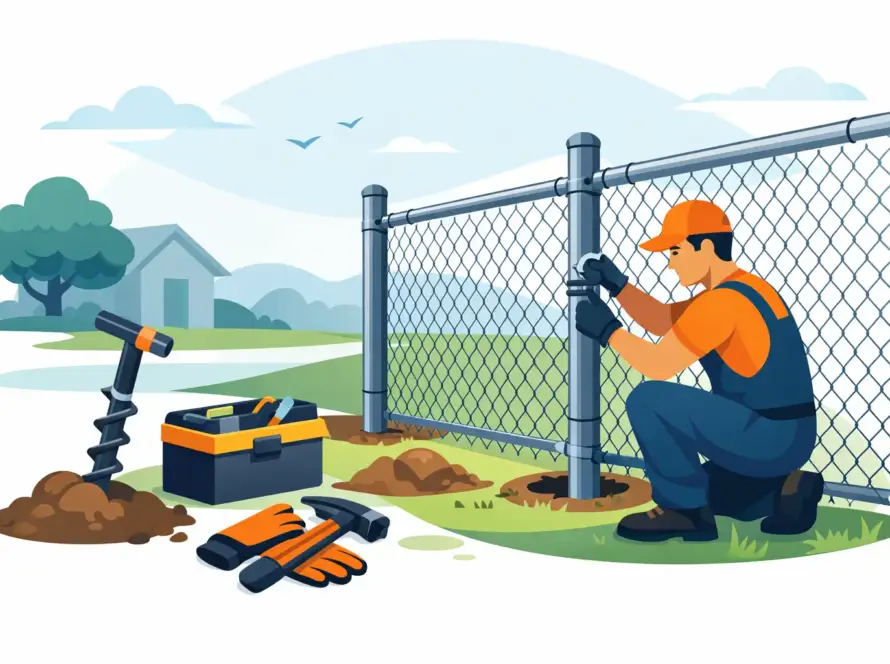
Chain link is one of the most practical choices for security, boundary definition, and cost control. It is common for side yards, commercial spaces, schools, storage areas, and properties where visibility matters. It is also a strong option for pet enclosures and utility areas.
The biggest compromise is privacy. Standard chain link does not block views unless you add slats or screens, and even then, the look stays more functional than decorative. For many commercial properties and some residential applications, that is completely fine. If the goal is reliable perimeter control without overbuilding the project, chain link often makes sense.
Iron and ornamental metal fencing
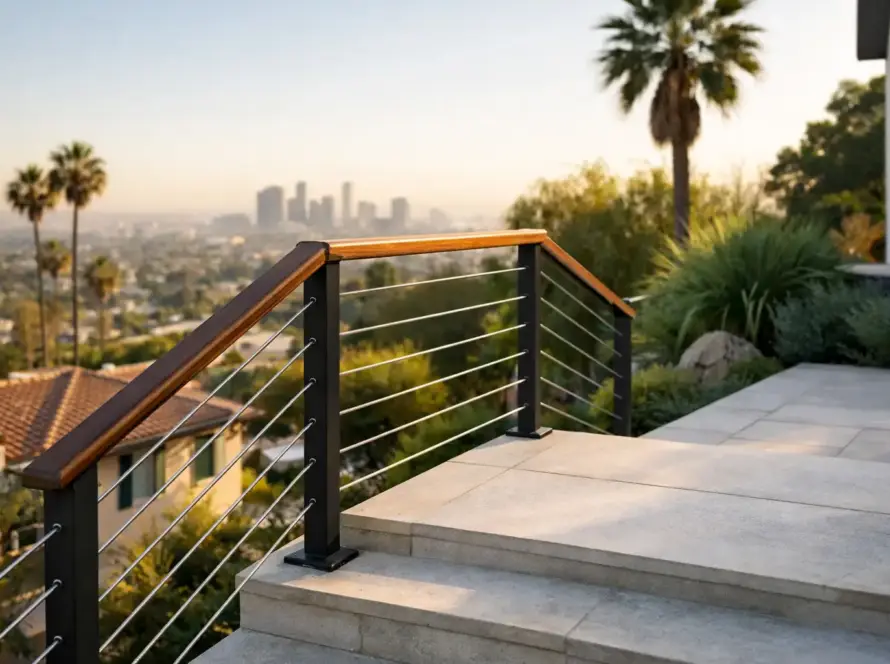
Iron fencing stands out for strength, security, and appearance. It is often the right fit for front yards, custom gates, decorative perimeters, and properties where curb appeal matters just as much as protection. It creates a more upscale look while still offering durability.
The key is quality fabrication and proper finishing. A poorly coated metal fence can develop problems sooner than expected, especially in tougher outdoor conditions. A well-built iron fence, on the other hand, can last for years and give you a strong combination of security and style. It is not a privacy fence by default, but it is one of the best options when visibility and appearance are both part of the plan.
Think about maintenance now, not later
One of the most common mistakes in how to choose fence materials is underestimating maintenance. A fence is not just a purchase. It is an outdoor structure that has to perform year after year.
If you want the least hands-on upkeep possible, materials like vinyl or certain metal systems usually have an advantage. If you do not mind occasional refinishing because you prefer a natural look, wood may still be worth it. If your property is commercial or multi-unit, lower maintenance often matters even more because every future repair has a labor cost attached to it.
It also helps to think about repairs in practical terms. Some materials are easier to patch or replace in sections. Others may require more exact matching or full panel replacement. A contractor should be able to explain not just what the fence will look like when installed, but what ownership looks like three, five, and ten years down the line.
Match the material to the level of security you need
Not every fence is meant to stop the same threats. For a family home, security may mean keeping children and pets safely inside while creating a clear boundary. For a business, security may mean deterring intrusion, controlling access, and holding up under heavier use.
That is why material choice should always connect to risk level. Decorative fencing may define a front yard nicely but do little for serious perimeter protection. Chain link can secure a commercial property efficiently, especially when paired with the right height and gate setup. Iron can provide both strength and a more finished appearance, which is valuable when image matters along with security.
Gates matter here too. A strong fence with a weak gate is a weak system. Material selection should account for posts, hardware, latches, hinges, and how often the entry points will be used.
Consider appearance in the context of the whole property
A fence should look like it belongs there. That does not mean it has to disappear, but it should work with the home, building, landscaping, and surrounding features. A sleek metal fence may fit a modern property beautifully, while a traditional wood privacy fence may suit a more classic residential layout.
For income properties and commercial sites, appearance still matters. A clean, well-built fence tells tenants, customers, and visitors that the property is maintained. That can influence perception more than many owners expect. Good material choice supports function first, but it should still improve the overall look of the site.
Work with site conditions, not against them
Slope, soil, exposure, and layout all affect what material performs best. A long run across uneven ground may call for a different fence style than a flat backyard. A high-wind area may need stronger structural planning. A property near the coast may need extra attention to metal finishes and corrosion resistance.
This is where an on-site consultation makes a real difference. Photos and rough measurements only tell part of the story. A contractor who sees the grade, access points, existing structures, and use patterns can help narrow the material options in a way that saves time and avoids expensive missteps.
A company like Hawklink Fences approaches this the right way by focusing on the actual property conditions, not just selling a one-size-fits-all product. That matters when you want a fence built to last, not just installed fast.
Choose the contractor with the material
Even the best material can fail if the installation is rushed or the design does not fit the site. Post depth, spacing, framing, weld quality, gate alignment, and finishing all affect how well the fence holds up. Material selection and workmanship go together.
When comparing options, ask who is installing it, how they handle site-specific challenges, and what kind of long-term performance you should expect. Clear estimates and honest communication are part of a good fence decision too. If a contractor cannot explain why one material fits better than another, that is a red flag.
The right fence material should make your property safer, stronger, and easier to manage. If you start with purpose, weigh the trade-offs honestly, and choose a contractor who does not cut corners, the decision gets much clearer.