A good iron fence does two jobs at once. It defines the property clearly and makes the place look sharper the moment it goes in. That is why iron fence installation is rarely just about putting metal in the ground. It is about getting the layout right, choosing a style that fits the property, and building something that still looks solid years from now.
For homeowners, the goal is often a mix of curb appeal and security. For property managers and commercial owners, it may be more about controlling access, protecting the perimeter, and reducing future repair issues. In either case, the quality of the installation matters as much as the fence itself.
What makes iron fence installation worth it
Iron fencing has a clean, permanent look that many other materials cannot match. It works well on front yards, side yards, pool enclosures, apartment buildings, commercial lots, and entry areas where appearance matters just as much as strength.
One of the biggest advantages is durability. A properly installed iron fence can handle daily wear, weather exposure, and regular use better than many lighter materials. It also gives you visibility. Unlike a solid wall or privacy fence, it secures the boundary without closing off the property completely.
That said, the result depends on the details. A fence can be made from quality material and still fail early if the posts are set poorly, the panels are misaligned, or the finish is not protected the right way. Good workmanship shows up in the parts most people do not notice at first glance, like spacing, leveling, weld quality, and how the gates operate after months of use.
Planning an iron fence installation the right way
The planning stage is where many long-term problems are either prevented or created. Before any fabrication or digging starts, the property needs a clear layout. That includes confirming the exact fence line, checking grade changes, identifying gate locations, and understanding what the fence needs to do.
A decorative front yard fence may prioritize appearance and pedestrian access. A commercial perimeter fence may need more height, stronger access points, and a layout that works with vehicles and security needs. The design should match the actual use, not just the look.
In older neighborhoods, especially in parts of Los Angeles where lots can be uneven or property lines are tight, measuring carefully matters. Minor layout mistakes can lead to visible gaps, awkward transitions, or gate problems that are expensive to correct later. This is one reason on-site consultation is valuable. Conditions on the ground often tell a different story than a rough estimate over the phone.
Style, height, and spacing matter
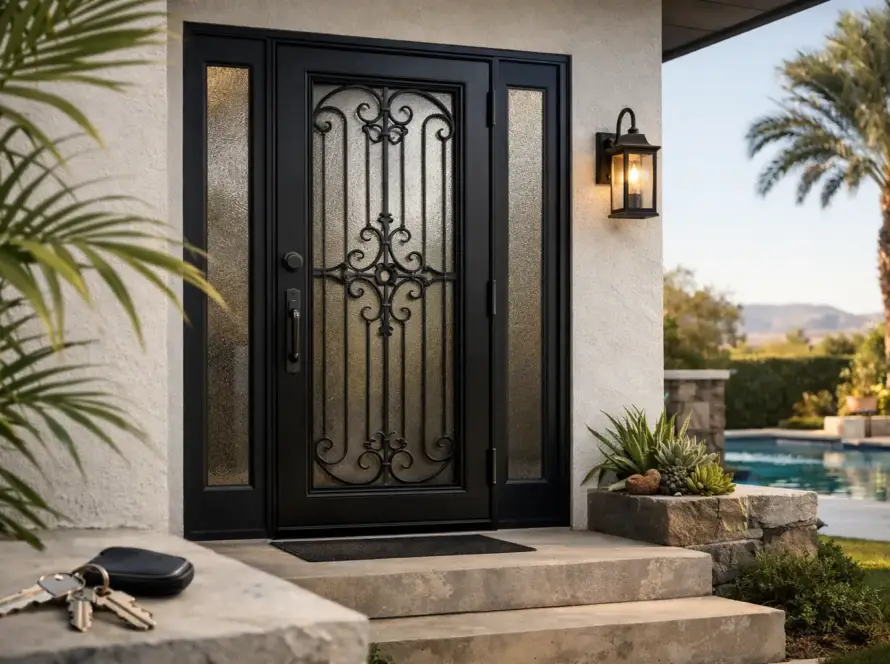
Not every iron fence should look the same. Some properties need a simple, classic picket style with clean lines. Others need ornamental details, decorative finials, heavier rails, or custom gate integration. The best choice depends on the architecture of the home or building and how much security is needed.
Height is another practical decision. A lower fence may be enough to frame a front yard and improve appearance. A taller fence can add security, but if it is too aggressive for the setting, it may hurt the overall look. Spacing matters too. Tighter picket spacing can improve safety for children and pets, while a more open design may keep the fence from feeling too heavy.
This is where experience helps. A contractor should be able to explain the trade-offs clearly instead of pushing a one-size-fits-all design.
The installation process and where quality shows
A professional iron fence installation usually starts with marking the layout and post locations. After that comes digging, setting posts, allowing proper cure time where needed, and then fitting panels and gates. Depending on the design, some sections may be pre-fabricated while others are custom built to fit the site.
The posts are the backbone of the whole system. If they are not set at the right depth and alignment, everything above them suffers. A fence may look fine on day one and still start leaning, binding, or separating over time. This is why cutting corners during installation always costs more later.
Gate installation deserves special attention. Gates get used more than any other part of the fence, so they need solid posts, quality hinges, proper latch alignment, and enough clearance to swing or slide without dragging. A beautiful gate that sticks, sags, or fails to latch properly is not a finished job.
Finish protection matters too. Iron needs the right coating or paint system to stand up to weather and reduce corrosion risk. In Southern California, the climate is generally easier on metal than in wetter regions, but sun exposure, irrigation overspray, and coastal air can still affect longevity. A fence that is built to last should also be finished to last.
Cost depends on more than linear footage
People often ask for a quick price per foot, but iron fencing is not that simple. Linear footage matters, but it is only part of the cost. Height, style, custom fabrication, terrain, access to the work area, number of gates, and existing fence removal all affect the final number.
A straight run on flat ground is usually more efficient than a project with slopes, tight corners, or custom transitions. Decorative elements, heavier materials, and specialty gate hardware can also increase the investment. None of that is bad news. It just means the real cost should reflect the actual scope of the job.
Transparent estimating matters here. A clear quote should explain what is included so the customer understands the difference between a basic installation and one that includes custom work, finish details, or site-specific adjustments. That kind of clarity helps avoid surprises and keeps the project moving.
When custom fabrication is the better choice
Some properties can use standard panel sizes without much compromise. Others cannot. If the layout includes unusual dimensions, elevation changes, architectural details, or a gate opening that needs to fit a specific use, custom fabrication is often the better route.
Custom work allows the fence to fit the property cleanly instead of forcing the property to fit the fence. That can mean smoother transitions, better symmetry, stronger gate design, and a more finished appearance overall. It is especially useful when the fence is a visible part of the property’s front-facing design.
For many customers, this is where value shows up. A fence is not just a boundary line. It is a permanent exterior feature. When it is fabricated and installed with care, it adds to both security and appearance without looking pieced together.
Repair or replace before installing new iron fencing?
Sometimes a full replacement is the right move. Other times, sections of an existing fence can be repaired, reinforced, or matched with new work. The answer depends on the condition of the posts, the amount of corrosion, structural damage, and whether the old fence still has enough integrity to justify repair.
If the issues are limited to a gate, a few damaged sections, or surface wear, repair may make sense. If the fence has widespread rust, loose posts, repeated gate failure, or poor original installation, replacing it may save money over time.
An honest assessment matters. Customers should know whether they are putting money into a fix that will last or just delaying a larger problem for a few months.
Choosing the right contractor for iron fence installation
The best iron fence installation is not just about materials. It is about execution, communication, and accountability. A contractor should be able to explain the process clearly, provide a realistic timeline, and stand behind the work from start to finish.
That means showing up for the estimate, taking measurements carefully, answering practical questions, and being direct about what the project requires. Licensed and insured service matters because it protects the customer and signals professionalism. So does a detailed proposal that reflects the actual job instead of a vague ballpark number.
For property owners in Los Angeles, there is added value in working with a contractor who understands local conditions, lot layouts, and the demands of both residential and commercial work. Hawklink Fences takes that practical approach seriously, with clear communication and workmanship that is meant to hold up, not just look good for a week.
A strong fence should feel like one less thing to worry about. When the layout is right, the fabrication is solid, and the installation is done with care, the result is simple: better security, a cleaner property line, and a finished look that earns its place every day.