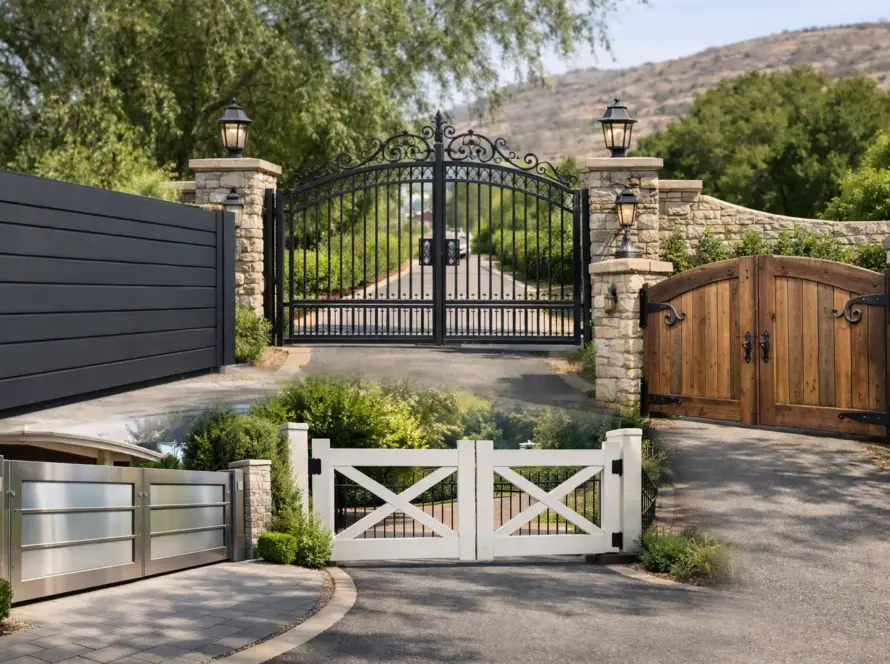
A commercial fence often becomes urgent when something has already gone wrong: a gate will not secure, a damaged section leaves equipment exposed, or a tenant raises a safety concern. A good commercial fence project guide helps property owners move from a quick fix mindset to a clear plan that protects the property, supports daily operations, and holds up over time.
For commercial properties in Los Angeles, the right fence is rarely just a boundary line. It may need to control vehicle access, discourage trespassing, separate tenant areas, protect a loading zone, or improve the appearance of a customer-facing building. The best result starts with understanding what the fence needs to do before choosing a material or approving an estimate.
Commercial Fence Project Guide: Define the Job First
Start with the problem the fence must solve. A warehouse may need a taller chain link perimeter with a lockable rolling gate. An apartment building may need ornamental iron fencing and self-closing pedestrian gates that improve security without making the entrance feel closed off. A restaurant patio, school-adjacent property, medical office, or retail site may need privacy, visibility, and code compliance in different proportions.
Walk the full property line before requesting proposals. Look for damaged panels, leaning posts, uneven grades, drainage paths, utility boxes, trees, curbs, retaining walls, and areas where people or vehicles regularly pass through. These details affect labor, materials, gate placement, and the long-term performance of the installation.
It also helps to separate needs from preferences. Security, safety, and access are usually non-negotiable. Color, decorative details, and privacy enhancements may be flexible depending on budget. A contractor can give better recommendations when the priorities are clear from the beginning.
Consider How the Property Operates Every Day
A fence that looks right on paper can create frustration if it disrupts normal operations. Think about delivery trucks, trash service, employee parking, emergency access, landscaping crews, and tenant move-ins. Gate width and swing direction matter. So does the location of a latch, keypad, intercom, or emergency release.
For example, a narrow pedestrian gate beside a dumpster enclosure may be sufficient for staff access, while a loading area may require a wide cantilever or rolling gate. Swing gates can be a practical choice when there is room for them to open safely. Where space is tight or traffic is frequent, a sliding solution may be more appropriate.
Choose Materials Based on Performance, Not Just Price
Material choice has a direct effect on security, visibility, maintenance, and appearance. The lowest upfront price is not always the best value if the fence needs repeated repairs or does not match the property’s use.
Chain link fencing remains a practical option for warehouses, schools, service yards, parking areas, and utility enclosures. It provides clear sightlines, is available in several heights and gauges, and can be paired with privacy screening or barbed wire where allowed and appropriate. Vinyl-coated chain link can offer a cleaner appearance for properties where standard galvanized fencing feels too industrial.
Ornamental iron fencing is often a strong fit for apartment communities, office buildings, storefronts, and higher-visibility properties. It creates a more polished look while maintaining visibility and a solid physical boundary. Custom iron work can also accommodate unusual slopes, entry layouts, decorative patterns, and integrated gates.
Privacy fencing may be useful around storage areas, patios, mechanical equipment, or properties with close neighboring uses. However, full privacy changes sightlines and can affect security monitoring. In some settings, a partially open design with a controlled gate is safer and easier to manage than a solid barrier.
The finish matters as much as the main material. Galvanized steel helps resist corrosion. Powder-coated iron can provide added protection and a finished appearance. Posts, rails, hinges, latches, and fasteners should be selected for the same level of durability as the fence itself. A heavy gate installed on undersized posts is a common reason gates begin sagging or dragging before they should.
Confirm Property Lines, Codes, and Permits Early
Fence work can involve setbacks, height limits, visibility requirements, fire access, and local permitting rules. Requirements may differ by city, zoning designation, and the location of the fence on the site. A front-facing fence, a perimeter fence near a public sidewalk, and an enclosure around equipment may each be treated differently.
Do not assume an old fence marks the legal property line. Previous owners may have installed it inside or outside the boundary, and adjoining properties may have changed over the years. If there is any uncertainty, review available site documents and consider a survey before installation. Moving a completed fence because it crosses a property line is expensive and avoidable.
Utility locating is equally important. Fence posts require excavation, and underground utility lines, irrigation, drainage, or electrical systems may be present even when there are no visible signs above ground. Proper planning protects workers, prevents damage, and avoids delays after the project is underway.
If the property is part of a commercial center or managed association, check the lease, architectural standards, or property management requirements as well. The owner may approve the work, but a tenant may still need permission before changing an exterior feature.
Build a Scope That Produces Comparable Estimates
Commercial fence quotes can vary widely because the scope is not always identical. One estimate may include removal and disposal of an existing fence, new concrete footings, heavy-duty gate hardware, and final cleanup. Another may cover only the new line of fencing. Comparing totals without comparing details can lead to surprises later.
Ask for a clear written scope that identifies the fence type, height, material gauge or thickness where applicable, post spacing, footing approach, gate size, hardware, finish, demolition, and site cleanup. If privacy slats, access controls, security features, or custom fabrication are part of the work, they should be listed clearly.
A good estimate should also identify assumptions. Is the ground accessible? Is there a known property line? Will vehicles need to be moved? Is work scheduled around business hours? Honest communication about these issues makes the project easier to schedule and helps control change orders.
Price matters, but workmanship and project management matter too. Commercial fencing is exposed to weather, daily use, and sometimes attempted forced entry. The installation should be handled by a licensed and insured contractor that can explain the plan, answer questions directly, and stand behind the finished work.
Plan the Installation Around Safety and Access
Before work starts, identify where crews can stage materials and equipment without blocking customers, tenants, emergency routes, or deliveries. A busy property may need phased installation so one entrance remains open while another section is under construction.
Existing fence removal should be planned carefully, especially where the old fence is still providing security. In many cases, it makes sense to remove and replace in sections rather than leave the entire perimeter open at once. If the project includes gates, verify that all users understand the temporary access plan while hardware is being installed or adjusted.
Installation quality shows up in the details. Posts should be set straight and at the proper depth for the fence height and site conditions. Fence lines should follow grade cleanly without large gaps underneath. Gates should open, close, latch, and align correctly before the crew leaves. On an iron fence, welds, finish work, and connection points deserve close attention because they affect both appearance and long-term durability.
At the final walkthrough, test every gate and access point. Check for sharp edges, loose hardware, uneven spacing, trip hazards, and areas where the fence does not meet the intended security goal. This is the time to ask for operating instructions and confirm who will handle any access devices or future adjustments.
Protect the Investment After Installation
Commercial fences need basic attention, especially in high-use areas. Inspect gates regularly for dragging, loose hinges, worn latches, or damage from vehicles. Keep landscaping trimmed away from the fence line so moisture, debris, and overgrowth do not hide developing issues. Address small repairs early before a bent post, loose rail, or misaligned gate creates a larger security problem.
For property managers, it is useful to keep the project scope, gate keys or access records, and maintenance notes in the property file. That makes future repairs faster and gives new managers a clear record of what was installed.
Before ordering materials, take one more walk around the site with the contractor and discuss how the finished fence will work on the busiest day of the year. That conversation often catches the access, drainage, or gate detail that turns a solid installation into a fence built to last. Hawklink Fences can help commercial property owners make those decisions with an on-site consultation, clear estimates, and dependable workmanship from start to finish.