Find the Best Fence Contractors Near Me for Installation and Repair Services
Local homeowners and businesses often wonder how to locate reliable fence contractors near me who deliver professional installation and repair services on time and on budget. This guide reveals the full spectrum of services offered by fencing contractors near me, compares the most popular fence types, breaks down installation cost factors, and outlines how to choose trusted local experts. You will also learn about permit requirements, emerging material and technology trends for 2025–2026, and proven maintenance practices to extend your fence’s lifespan. By the end, you’ll have a clear roadmap to secure free estimates, understand regional pricing, and partner with vinyl fence contractors near me or commercial fence contractors near me who match your needs. Whether you seek a privacy barrier or a high-security perimeter, this article maps every step from service selection to long-term care.
What Services Do Local Fence Contractors Near Me Offer?
Which Fence Installation Services Are Available Near Me?
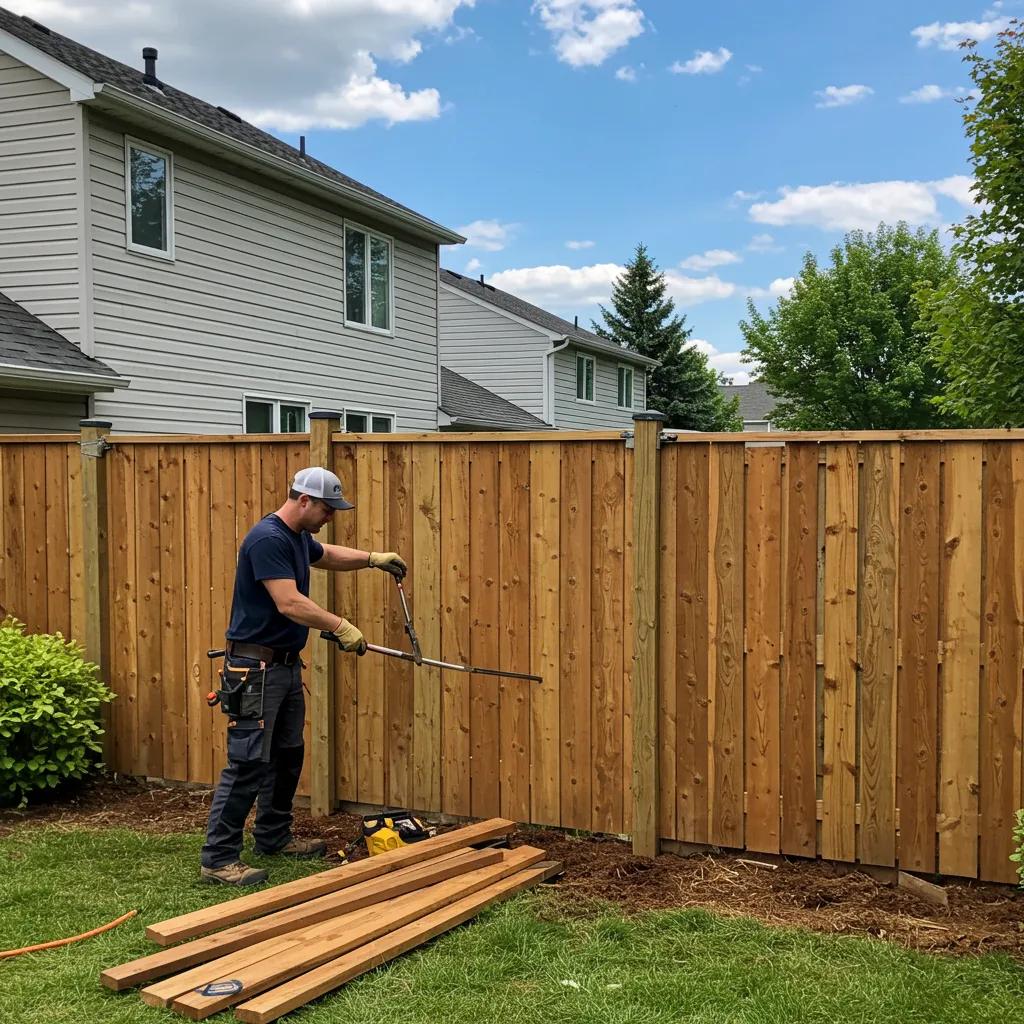
Fence installation services encompass the planning and erection of various barrier systems to define property lines, enhance security, and boost curb appeal. Local fence contractors near me evaluate soil conditions, select suitable materials, and employ techniques such as post-setting, panel attachment, and gate integration to ensure structural integrity and aesthetic consistency. For example, vinyl fence contractors near me handle everything from leveling the ground and aligning posts to fastening pickets or privacy panels.
Professionals typically offer:
- Residential Fence Installation – Tailoring styles like picket, privacy, and decorative panels for homes.
- Commercial Fence Installation – Deploying chain link, ornamental metal, or high-security systems for businesses.
- Custom Design and Engineering – Crafting unique layouts, decorative elements, or height variations to meet specific needs.
These installation offerings set the stage for long-lasting performance, ensuring your new fence delivers on both function and form.
How Do Fence Repair Services Work with Local Contractors?
Fence repair services restore damaged or weathered sections to their original strength and appearance. Local specialists conduct a detailed inspection to identify issues such as rotted posts, loose rails, warped panels, or bent metal pickets. Based on the assessment, they provide targeted solutions like replacing broken boards, reinforcing loose posts with concrete footings, or welding and repainting metal components.
Key repair steps include:
- Conducting a structural assessment and documenting damaged areas.
- Removing and disposing of compromised fence sections safely.
- Installing new posts, rails, pickets, or panels that match existing styles.
- Sealing, priming, and painting repaired sections to protect against future deterioration.
By focusing on precision repairs and material compatibility, fencing contractors near me help prolong fence lifespan and maintain consistent curb appeal.
What Are Common Fence Gate Installation and Repair Options?
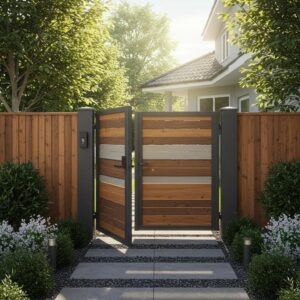
Gate installation and repair services address both access control and decorative entry points. Contractors install swing gates, sliding gates, or pedestrian gates built from wood, vinyl, aluminum, or wrought iron—each combining hardware, latch systems, and automation options. Commercial fence contractors near me often integrate electric openers, keypads, or remote-access sensors for heightened security.
Repair offerings include:
- Realigning sagging gates by adjusting hinges and support posts.
- Replacing worn rollers or tracks on sliding gate systems.
- Upgrading latch assemblies, lock mechanisms, and safety sensors.
- Repainting or refinishing surfaces to match the main fence.
These gate-focused services ensure smooth operation, reliable security, and a cohesive appearance across your entire fencing system.
What Are the Most Popular Fence Types Installed by Local Contractors?
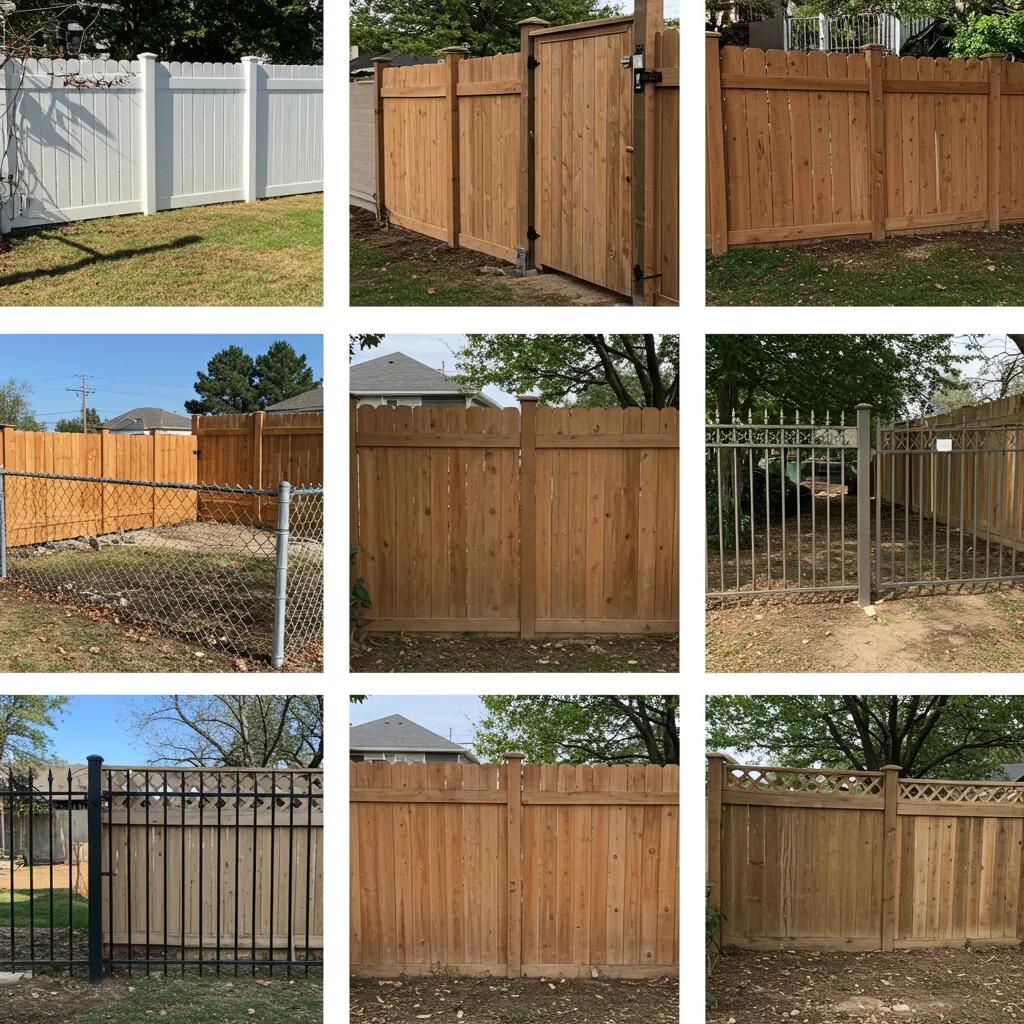
Local residents and business owners favor fence types that balance durability, maintenance, cost, and aesthetic appeal. Contractors install a range of materials—each serving distinct needs for privacy, security, or decorative enhancement. Below is a comparative specification table to guide your selection.
These attributes clarify why vinyl fence contractors near me often recommend PVC panels for low-maintenance privacy barriers, while chain link fence contractors near me highlight cost-effective security and visibility. Next, explore each material in greater detail.
What Are the Benefits of Vinyl Fence Installation Near Me?
Vinyl fence installation delivers a resilient, weather-resistant barrier that resists rot, pests, and fading for decades. PVC panels require no staining or sealing, cutting ongoing maintenance costs by up to 70 percent compared to wood. Vinyl contractors near me provide styles such as tongue-and-groove privacy slats and scalloped picket designs that enhance curb appeal without sacrificing durability.
Beyond aesthetics, vinyl systems:
- Expand and contract minimally, preventing gaps.
- Offer customizable heights and colors.
- Include integrated post-caps and decorative sleeves for a polished finish.
These qualities make vinyl fences a leading choice for homeowners seeking long-term value and streamlined upkeep.
How Does Wood Fence Installation Compare for Residential Properties?
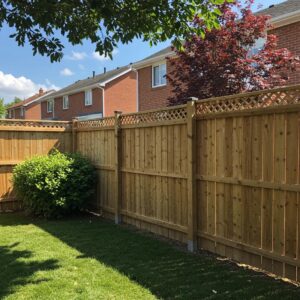
Wood fence installation appeals to homeowners who desire a natural, customizable appearance with traditional picket or privacy panel styles. Typical materials include cedar and redwood, valued for natural resistance to decay and insect damage. Wood contractors near me mill boards to preferred widths and patterns, ensuring precise alignment and stable posts anchored in concrete.
Key considerations with wood fencing:
- Seasonal expansion and contraction may require periodic tightening.
- Surface treatments (staining or sealing) extend life to 15–20 years.
- Natural grain and texture offer unrivaled design versatility.
Homeowners often combine wood posts with decorative post-caps and lattice toppers to elevate perimeter aesthetics while maintaining moderate upkeep.
Why Choose Chain Link or Aluminum Fences for Commercial Use?
Chain link and aluminum fences deliver cost-efficient security solutions for businesses, schools, and industrial sites. Chain link fence contractors near me install galvanized steel mesh that withstands vandalism, heavy impact, and extreme weather. Aluminum fencing combines a powder-coated finish with rust resistance and ornamental styling, making it ideal for commercial landscapes, parks, and multi-family properties.
Commercial fence types feature:
- Adjustable mesh gauges and privacy slats for chain link systems.
- Decorative pickets, finials, and rails on aluminum panels.
- Optional automation hardware for controlled access.
These metal options offer robust protection, minimal maintenance, and scalable installation across large perimeters.
What Are the Features of Composite and Wrought Iron Fences?
Composite fencing merges recycled wood fibers and plastics into panels that mimic wood grain without the susceptibility to rot or termites. Composite fence contractors near me deliver boards with consistent color, shape, and strength ratings, backed by warranties up to 25 years.
Wrought iron fences, on the other hand, present a timeless, handcrafted appearance with ornamental scrollwork and finial accents. Iron contractors near me reinforce posts with concrete footings and apply corrosion-inhibiting primers plus powder coats for decades of service.
Together, composite and wrought iron options address both modern eco-friendly preferences and classic architectural statements for residential and commercial installations.
How Much Does Fence Installation Cost Near Me?
Fence installation cost near me ranges broadly based on materials, linear footage, terrain complexity, and labor. Understanding these cost drivers helps homeowners and businesses secure accurate bids and budget appropriately.
What Factors Affect Local Fence Installation Pricing?
Fence installation pricing hinges on material costs, labor rates, site preparation, permit fees, and accessory hardware. Materials like wrought iron and hardwood lumber command premium per-foot pricing, while chain link and vinyl remain more affordable. Local labor rates average $50 per hour or $10–$15 per linear foot, varying by region.
Site-specific factors include:
- Terrain grading or retaining wall requirements.
- Removal and disposal of existing fencing.
- Accessibility challenges for heavy equipment.
- Supplemental features such as gates, automation, and decorative elements.
By evaluating these variables, prospective clients can compare quotes from fencing contractors near me on equal terms.
How Do Costs Vary by Fence Type and Service Area?
Regional differences in labor and permit costs can shift overall pricing by 10–20 percent. Below is a cost-impact table outlining typical ranges for various fence types in 2025.
These estimates guide budget planning and clarify why commercial fence contractors near me may charge higher rates in metropolitan areas with stricter code enforcement.
Are There Affordable Fence Contractors Offering Free Estimates?
Yes, many local fencing contractors near me provide complimentary consultations and written estimates to secure your business. During a free estimate visit, professionals assess site conditions, discuss material preferences, and outline project timelines. Transparent providers may also offer financing plans or seasonal discounts to make installation more affordable.
To find cost-effective options:
- Request multiple estimates from at least three providers.
- Compare detailed line-item breakdowns for materials and labor.
- Ask about bundled package pricing for combined installation and repair services.
This approach ensures you partner with reputable fence contractors near me who deliver value without hidden charges.
How to Choose the Best Fence Contractors Near Me?
Selecting a contractor involves more than price—it requires vetting expertise, reliability, and communication. The right choice balances technical skill with customer service for a seamless project from start to finish.
What Qualities Define Trusted Local Fence Companies?
Trusted fencing contractors near me exhibit clear communication, transparent pricing, verifiable references, and proper licensing or insurance coverage. They provide detailed contracts specifying material grades, labor warranties, and project milestones. These companies also demonstrate mastery of local terrain, setback requirements, and aesthetic standards.
Attributes of high-caliber providers include:
- Prompt responsiveness and on-site safety protocols.
- Written guarantees on workmanship and materials.
- Portfolio of completed projects showcasing diverse fence types.
- Access to manufacturer warranties on premium materials.
Such qualities signal a dependable partner for installation and repair tasks.
How Important Are Reviews and Ratings for Fence Installers?
Online reviews and star ratings convey social proof of reliability, quality, and customer satisfaction. Prospective clients should seek contractors near me with consistently high scores on local directories and third-party platforms. Reading both positive and negative feedback reveals performance trends—such as timeliness, cleanup quality, and adherence to estimates.
Key review insights include:
- Frequency of repeat customers or referrals.
- Responsiveness to complaints or change requests.
- Quality of post-installation support and warranty fulfillment.
Positive ratings and detailed testimonials help differentiate top fencing contractors near me from underperformers.
What Questions Should I Ask Before Hiring a Fence Contractor?
Preparing targeted questions ensures you hire a contractor who aligns with your expectations and budget. Ask:
- What is your estimated project timeline and start date?
- Can you provide a detailed written estimate and payment schedule?
- Which materials and grades do you recommend for my property’s needs?
- Do you obtain permits and coordinate inspections as required?
- What warranties cover workmanship and materials?
These inquiries set clear benchmarks for performance and protect you from surprises during installation or repair.
What Local Regulations and Permits Affect Fence Installation Near Me?
Regulatory compliance is essential: improper permitting can lead to fines or forced removal. Understanding local codes before installation saves time and expense.
Do I Need a Permit to Build or Repair a Fence in My Area?
Yes, most municipalities require permits for new fence construction or major repairs, especially when altering height, structure, or location. Permit requirements vary by zone, neighborhood covenants, and proximity to sidewalks or easements. Local authorities review submittals for compliance with setback distances, maximum height limits (often 6–8 feet), and material restrictions.
Contractors near me often handle permit applications as part of their service, ensuring all documentation meets municipal standards before work begins.
How Do Local Fence Codes Influence Material and Height Choices?
Fence codes govern permissible materials, transparency percentages, and maximum heights in front and rear yards. For example, residential front-yard fences may be limited to four feet tall with at least 50 percent open design, while backyard fences can reach six feet with solid panels. Commercial zones often impose higher security barriers up to eight feet with anti-climb features.
Adhering to these regulations avoids costly redesigns and ensures neighborly compliance.
Where Can I Find Local Fence Permit Requirements and Applications?
Most municipalities publish fence permit guidelines and downloadable applications on their official websites under “Buildings and Permits.” County or city planning departments provide checklists detailing required site plans, property surveys, and homeowners association approvals. Contractors specializing in fence installation near me typically direct you to these resources or submit applications on your behalf.
Coordinating these approvals early accelerates the project timeline and ensures inspections proceed without delay.
What Are the Latest Trends in Fence Materials and Technology Near Me?
Innovations in materials and smart features are transforming perimeter solutions, offering enhanced sustainability, convenience, and security.
How Are Sustainable and Eco-Friendly Fence Materials Gaining Popularity?
In 2025, eco-friendly materials such as composite panels made from recycled plastics and wood fibers are surging in popularity. These systems divert waste from landfills and resist moisture-induced decay without chemical treatments. Bamboo fencing has also emerged as a renewable alternative for decorative privacy screens.
Key sustainability benefits include:
- Reduced carbon footprint through recycled content.
- Longer warranty periods (often 25 years or more).
- Resistance to moisture, pests, and UV degradation.
These attributes align with green building certifications and corporate social responsibility goals.
What Smart Fencing Solutions Are Available Locally?
Smart fencing solutions integrate sensors, access control, and remote monitoring to create intelligent perimeters. Local contractors install wireless gate operators with smartphone apps, motion detectors that trigger alerts, and integrated solar-powered lighting. These systems leverage IoT networks to deliver real-time status updates and automate security protocols.
Smart features include:
- Geofenced entry permissions for vehicles and personnel.
- Automated scheduling for gate opening and locking.
- Live video integration with motion-activated cameras.
Such technologies elevate traditional barriers into proactive security platforms.
How Can Custom and Modular Fence Designs Enhance My Property?
Custom fence designs allow tailored aesthetics—curved panels, mixed-material accents, and decorative metal inlays—while modular systems deliver rapid installation via prefabricated sections. Contractors offer interchangeable posts and panels that adapt to changing property layouts or expansions. Modular designs also simplify future repairs by replacing individual components rather than full sections.
This design flexibility supports evolving style preferences and functional requirements without sacrificing consistency or quality.
How Can I Maintain and Extend the Life of My Fence Installed by Local Contractors?
Routine care preserves your fence’s appearance and structural integrity, protecting your investment over decades.
What Are Best Practices for Maintaining Different Fence Materials?
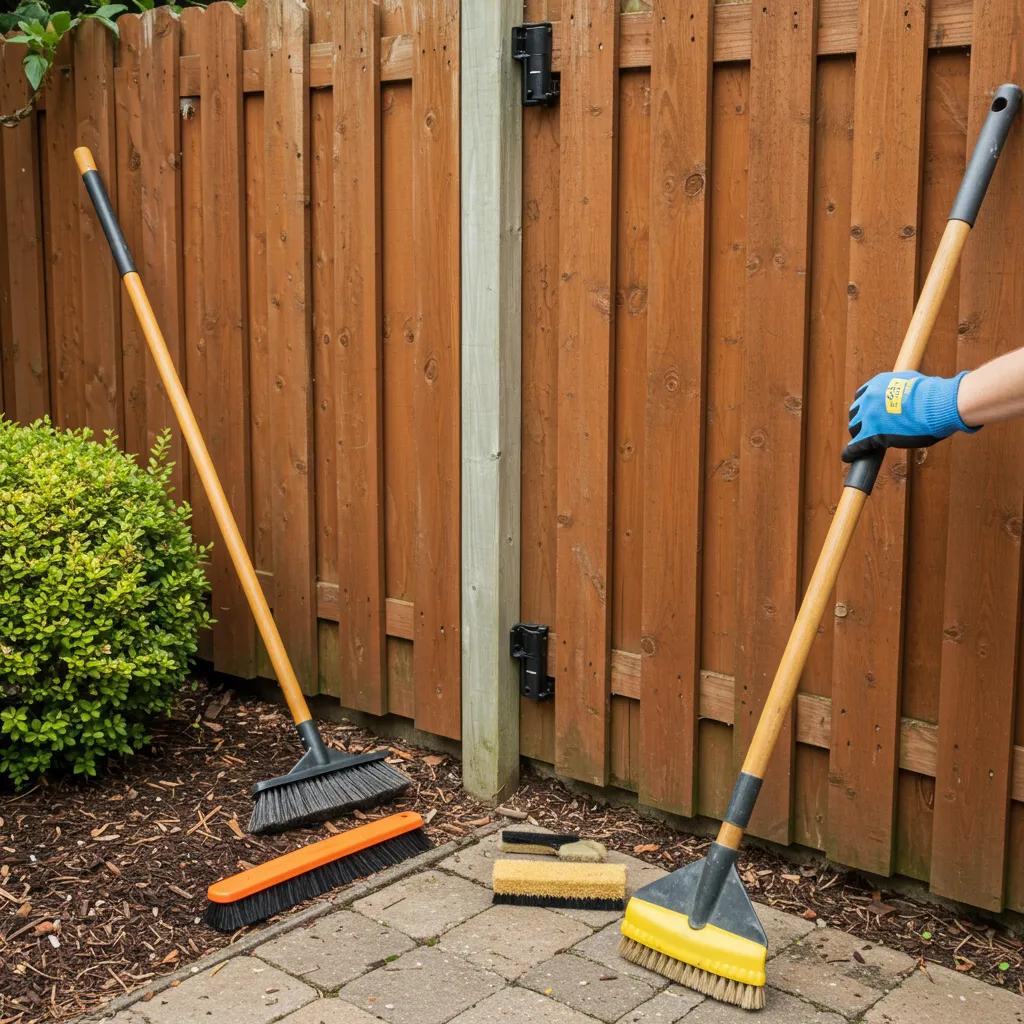
Each fence type demands specific upkeep:
- Vinyl – Clean panels annually with mild detergent and rinse to remove dirt and mildew.
- Wood – Inspect for rot, reseal or stain every 2–3 years, and tighten loose fasteners.
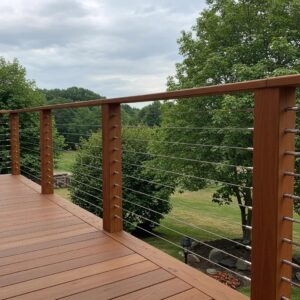
- Metal (Chain Link, Aluminum, Wrought Iron) – Lubricate hinges and rollers, treat rust spots with primer and paint, and replace damaged hardware.
- Composite – Wash with a soft brush and recommend manufacturer-approved cleaners to prevent staining.
When Should I Repair vs. Replace My Fence?
Repair is optimal when damage is localized to a few panels, posts, or rails. Prompt fixes minimize the risk of further collapse and preserve existing aesthetics. Replace entire sections or full runs when:
- More than 25 percent of posts are compromised.
- Boards or panels exhibit widespread rot, warping, or corrosion.
- Structural stability is significantly weakened by age or environmental stress.
Consult fence repair services near me to inspect damage severity and recommend the most cost-effective approach.
How Do Local Fence Repair Services Handle Emergency Fixes?
Emergency repair services respond quickly to urgent issues caused by storms, fallen trees, or vandalism. Contractors secure temporary bracing, remove debris, and stabilize loose components within 24–48 hours. They then schedule comprehensive repairs, including post realignment, panel replacement, and hardware upgrades to restore complete function and safety.
This rapid response minimizes liability and prevents additional damage, helping your fence resume full performance without extended downtime.