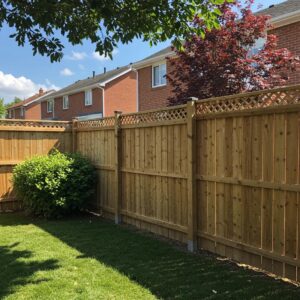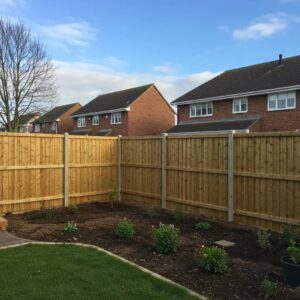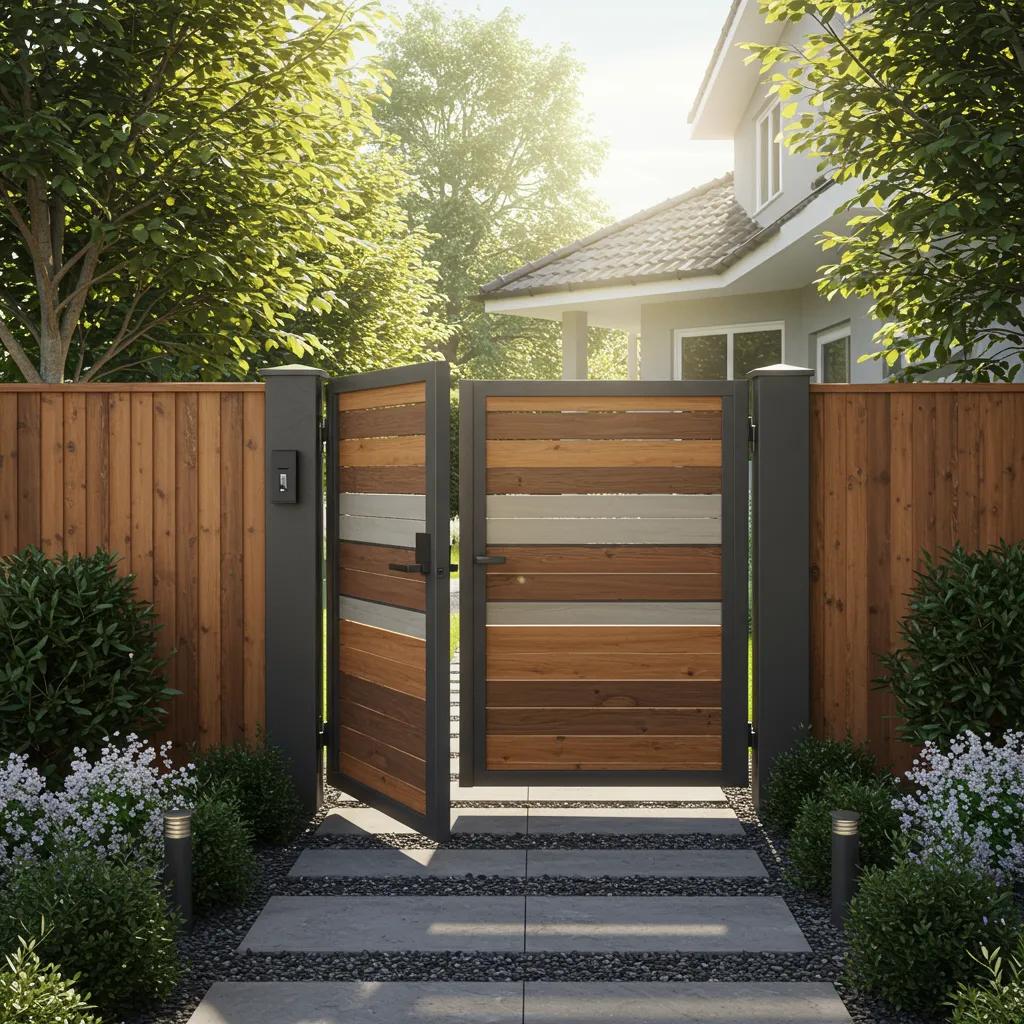
The Ultimate Guide to Fence Gates: Types, Installation, Modern Designs, and Automatic Driveway Solutions
Fence gates provide controlled access, enhanced security, and curb appeal for residential and commercial properties alike. By combining durable construction with thoughtful design, a fence gate fulfills both functional needs—such as vehicle access and perimeter protection—and aesthetic goals, from rustic charm to modern minimalism.
In this guide, you will discover:
- What fence gate types—walk, driveway, specialty, swing versus sliding—best suit your application
- Which materials—wood, vinyl, aluminum, wrought iron, composite, chain link, bamboo—offer optimal performance in 2025
- How contemporary designs—from minimalist profiles to artistic customwork—shape today’s trends
- Step-by-step installation and maintenance practices for long-term reliability
- Advantages of automatic and smart gate systems, including solar-powered options
- Essential hardware and accessories that ensure smooth operation
- Cost considerations and factors influencing installation pricing
Whether you’re a homeowner exploring “fence gates near me” or a contractor evaluating “gate company near me,” this comprehensive overview positions you to select, install, and maintain the ideal fence gate solution.
What Are the Different Types of Fence Gates and Their Uses?
A fence gate is classified by its primary function and operation mechanism, defining how it delivers pedestrian access, vehicle entry, or specialized control. Understanding each category’s attributes ensures you choose a gate that aligns with security requirements, traffic volume, and spatial constraints. From single-panel walk gates to heavy-duty barrier gates, each type fulfills a distinct role in access management and design integration.
What Defines Walk Gates and Their Common Applications?
Walk gates serve as pedestrian access points that integrate seamlessly with fencing systems to provide controlled entry for foot traffic. Typically narrower and lighter than vehicle gates, walk gates range from simple garden entrances to decorative pool barriers, balancing ease of use with safety.
Common applications include:
- Garden gateways that frame pathways and support climbing plants
- Pool safety gates with self-latching mechanisms to comply with local regulations
- Front-yard pedestrian gates that welcome visitors while deterring uninvited entry
These pedestrian-focused openings often incorporate features like picket tops, privacy panels, or keyed locks, transitioning naturally to larger driveway or specialty gate considerations.
How Do Driveway Gates Enhance Vehicle Access and Security?
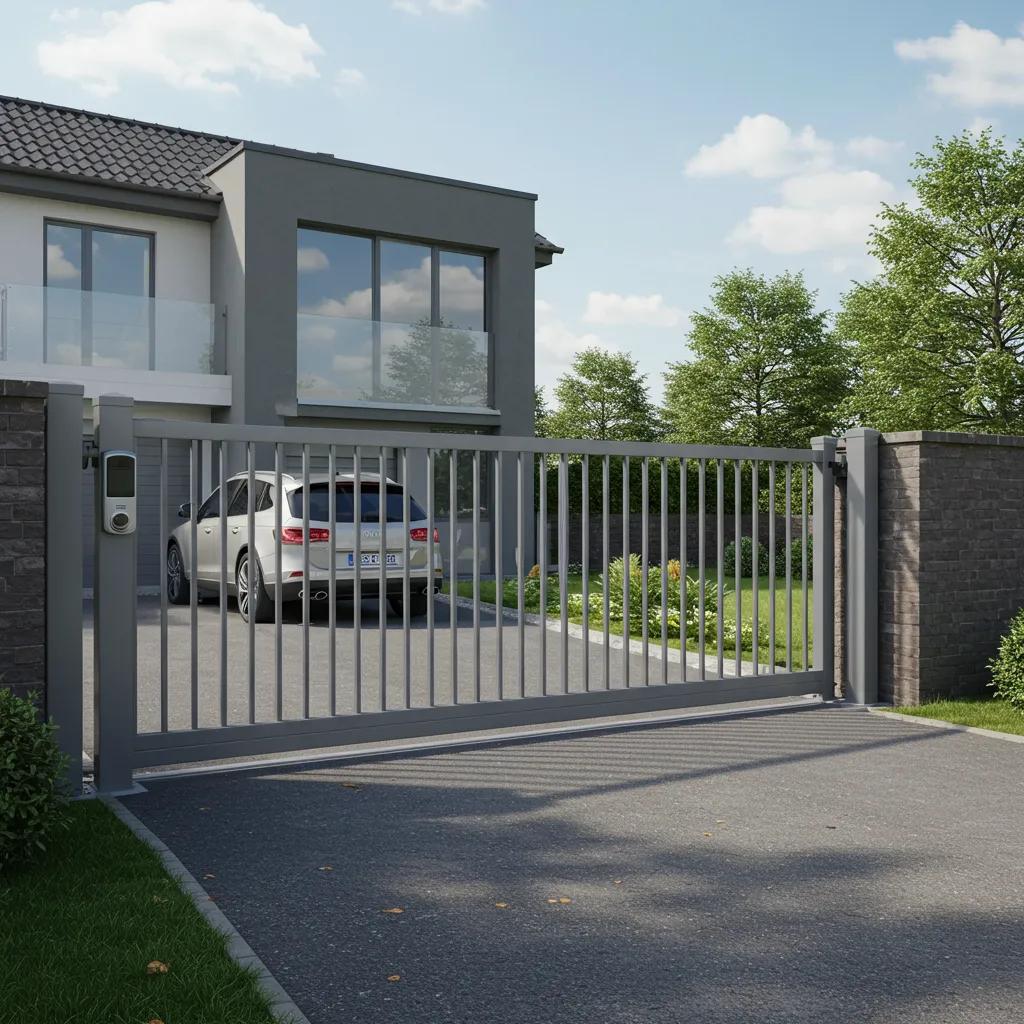
Driveway gates allow vehicle passage while reinforcing perimeter security and enhancing curb appeal through material choice and automation readiness. Whether manual single-swing gates grant occasional car access or automated sliding gates manage frequent traffic, each type optimizes space and operation:
- Single-swing gates pivot on one side, requiring clearance arc but offering simple installation.
- Double-swing gates provide wider openings without extensive track systems, ideal for large driveways.
- Sliding gates move laterally on rails or cantilever systems, conserving driveway swing space and supporting heavy loads.
These driveway solutions integrate seamlessly with sensors and access controls, setting the stage for automated and smart gate discussions in later sections.
What Are Specialty Gates and Their Commercial Uses?
Specialty gates encompass barrier gates and out-only gates designed for high-traffic commercial or industrial settings where controlled entry and exit flow are critical. Barrier gates employ boom arms for rapid vehicle intrusion deterrence, while out-only gates use one-way mechanisms to prevent unauthorized entry after exit. Typical use cases include parking facilities, gated communities, and logistics centers, where durability and fast operation outweigh ornamental considerations. By focusing exclusively on security and throughput, these gates underscore the spectrum of fence gate applications—from decorative walk gates to heavy-duty commercial barriers.
How Do Swing Gates Compare to Sliding Gates for Residential Use?
Swing and sliding gates each deliver distinct operational and spatial advantages that influence residential gate selection. Swing gates provide a classic aesthetic, simple hardware, and lower upfront cost but require a clear swing radius. Sliding gates eliminate swing-clearance constraints, enhancing space efficiency and supporting heavier, more ornate designs with cantilever or track systems. Both types benefit from powder-coated finishes for weather resistance and can integrate automation; choosing between them hinges on driveway slope, available lateral space, and desired style, leading into material choices that further refine gate performance.
Which Materials Are Best for Fence Gates in 2025?
Material selection dictates a fence gate’s durability, maintenance demands, aesthetic character, and cost profile. In 2025, emerging preferences emphasize sustainability, low upkeep, and modern finishes without sacrificing strength. From traditional woods to eco-friendly composites, each option carries unique attributes and trade-offs that influence long-term satisfaction and budget.
What Are the Benefits and Drawbacks of Wood Fence Gates?
Wood fence gates deliver natural warmth, versatile styles, and customizability through stain or paint, making them longstanding favorites for garden and privacy gates.
While wooden gates excel in aesthetics and customization, they require periodic maintenance to prevent rot, insect infestation, and dimensional changes. Balancing appearance with upkeep guides many homeowners toward low-maintenance alternatives.
Fences and Gates: Uses, Advantages, and Disadvantages
This resource explores the uses of fences and gates, detailing their advantages and disadvantages. It emphasizes that the benefits derived from a fence before it is destroyed or abandoned must exceed the installation and maintenance costs.
Fences, 1988
Why Choose Vinyl Fence Gates for Low Maintenance and Privacy?
Vinyl (PVC) fence gates offer excellent weather resistance, minimal upkeep, and consistent privacy through solid or semi-private panels. Vinyl’s nonporous surface requires only occasional cleaning to maintain appearance, and its color-throughout construction prevents peeling or flaking. Semi-private options use alternating slats to balance light transmission with seclusion. For properties seeking a clean white or neutral-tone gate without annual painting, vinyl represents a compelling material choice that transitions smoothly into discussions on metal gate options.
How Do Aluminum Fence Gates Offer Durability and Modern Style?
Aluminum fence gates combine lightweight strength, rust resistance, and sleek profiles that suit contemporary and minimalist design schemes. Powder-coated finishes enhance corrosion protection and allow rich color customization.
Aluminum’s low weight reduces hinge wear, enabling smoother automated operation and underscoring its suitability for both swing and sliding driveway gates.
Fences, Gates, and Garden Houses: A Design Book
This book presents designs for fences, gates, and garden houses, featuring measured drawings. It includes examples of simple fences built during the nineteenth century, focusing on fence design in its most basic forms.
Fences, Gates and Garden Houses: A Book of Designs with Measured Drawings, 2012
What Makes Wrought Iron Gates Ideal for Security and Elegance?
Wrought iron gates deliver unmatched security, structural rigidity, and intricate decorative patterns that convey timeless elegance. Hand-forged pickets and scrollwork create imposing yet refined entryways, while thick steel sections resist impact and forced entry. Finishes typically include rust-inhibiting primers and powder-coating to extend service life. These gates excel in estate and heritage properties where visual grandeur must align with perimeter protection, seamlessly connecting to composite and alternative material discussions.
What Are the Advantages of Composite, Chain Link, and Bamboo Gates?
Composite, chain link, and bamboo gates represent eco-friendly or budget-friendly alternatives that address specific needs:
- Composite gates blend recycled plastics and wood fibers for lower maintenance than solid wood and greater environmental credentials.
- Chain link gates provide cost-effective security for large perimeters with simple repair and replacement of bent or broken sections.
- Bamboo gates offer sustainability, rapid growth material sourcing, and a distinctive tropical aesthetic, though they require weatherproof finishes in humid climates.
These diverse materials allow property owners to align gate performance with ecological goals or budget constraints before exploring design innovations.
How Are Modern Fence Gate Designs Shaping 2025 Trends?
Contemporary fence gate designs integrate clean geometry, height-adjustable privacy features, and bespoke artistic elements that reflect evolving architectural styles. In 2025, homeowners and designers prioritize minimalist statements, personalized customwork, and blended materials that unify gate form and function.
What Characterizes Minimalist Fence Gate Designs?
Minimalist fence gates emphasize simplicity through unadorned panels, straight lines, and monochromatic palettes. Often constructed from aluminum or steel, these gates use slender pickets or solid slats spaced uniformly to create a light, open appearance. Black, white, or metallic finishes dominate, enhancing modern architecture and landscape integration. This streamlined approach to form and finish naturally flows into privacy-focused alternatives that trade openness for seclusion.
How Do Privacy-Focused Gates Provide Seclusion and Style?
Privacy-focused gates use solid panels, closely spaced slats, or frosted inserts to block sightlines while maintaining visual coherence with surrounding fences. Taller heights—often six to eight feet—combine with materials like vinyl, composite, or wood to create noise-dampening and sight-blocking barriers. Integrated planter boxes or seating ledges further extend functionality, marrying landscape elements with enclosure needs. These design strategies showcase how gate form and panel configuration deliver both seclusion and aesthetic cohesion.
What Are Artistic and Custom Gate Options for Unique Properties?
Custom gate designs harness laser-cut metal patterns, three-dimensional wood assemblies, and mixed-media inlays to transform entryways into architectural statements. Laser-cut steel panels depicting abstract motifs or botanical silhouettes offer light filtering and artistic appeal, while handcrafted wrought iron scrollwork provides classic elegance. Unique color accents, backlighting, and inlay materials—such as glass or stone—elevate gates into signature features. These bespoke gates pave the way for hybrid material explorations that combine wood warmth with metal durability.
How Are Mixed-Material Gates Combining Wood and Metal for Aesthetics?
Mixed-material gates unite the natural warmth of wood with the strength and sleekness of metal frames, producing visually striking and structurally sound entryways. Horizontal cedar slats set within powder-coated steel frames illustrate wood-on-metal synergy, while aluminum pickets inset into solid wood panels enhance rigidity and highlight contrasting textures. Combining these materials leverages the best of both worlds—wood’s organic character and metal’s longevity—creating a logical transition to installation and maintenance considerations.
How Do You Install and Maintain Fence Gates Effectively?
Proper installation and ongoing maintenance determine a fence gate’s performance, lifespan, and security effectiveness. Whether tackling a DIY project or hiring professionals, understanding essential installation steps, common repair scenarios, and routine care practices ensures gate function for years to come.
What Are the Key Differences Between DIY and Professional Installation?
DIY installation of a fence gate offers cost savings and hands-on control but requires accurate site measurement, specialized tools, and familiarity with concrete footing and hardware alignment. Professional installers bring calibrated equipment, expertise in soil conditions, and adherence to local codes, reducing risk of sagging, misalignment, or premature wear. Choosing between DIY and professional services hinges on project complexity, personal skill level, and desired warranty coverage—and this decision shapes the essential steps that follow.
What Are the Essential Steps for Installing a Fence Gate?
Installing a fence gate involves precise site preparation, secure post setting, accurate hanging, and hardware attachment. The core steps include:
- Layout and Leveling – Mark gate opening and ensure level ground.
- Post Setting – Dig holes, pour concrete footings, and align posts plumb.
- Gate Hanging – Attach hinges and hang the gate, verifying even gaps.
- Latch and Lock Installation – Mount latch hardware at proper height and test engagement.
Completing these steps with attention to alignment and load distribution lays the foundation for long-term functionality and smooth operation.
Best Practices for Control-of-Access Fencing Maintenance
The paper discusses alternative fencing practices and strategies to lower maintenance costs related to C-of-A, including common fencing types, their characteristics, fencing gates, and more.
Best Practices for Maintenance of Control-of-Access Fencing, M Moomen, 2025
How Can You Troubleshoot and Repair Common Fence Gate Issues?
Sagging, misaligned latches, and stick-open closers frequently plague fence gates as hardware loosens or structural components shift. To troubleshoot:
- Realign Hinges by tightening hinge bolts or adding shims behind hinge plates.
- Adjust Latches by loosening screws, repositioning strike plates, and ensuring smooth engagement.
- Lubricate Moving Parts with silicone-based sprays to eliminate sticking.
Addressing these problems promptly prevents further wear and prepares gates for routine maintenance regimens.
What Maintenance Practices Extend the Life of Your Fence Gate?
Regular maintenance safeguards gate performance by preserving materials and hardware integrity. Recommended practices include:
- Cleaning surfaces to remove debris and prevent corrosion
- Inspecting and tightening hinge, latch, and closer fasteners quarterly
- Applying protective sealants or touch-up paint on wood and metal finishes
- Lubricating hinges, rollers, and locks bi-annually
Consistent care not only optimizes gate operation but also preserves aesthetic appeal, closing the loop on installation with proactive longevity measures.
What Are the Advantages of Automatic and Smart Fence Gates?
Automatic and smart fence gates elevate perimeter control through remote operation, advanced sensor integration, and sustainable power sources. These systems enhance security, convenience, and energy efficiency, reflecting the 2025 trend toward intelligent access management.
How Do Automatic Driveway Gates Improve Security and Convenience?
Automatic driveway gates integrate motorized openers, remote controls, and safety sensors to deliver contactless vehicle entry. By removing the need to exit the car, homeowners benefit from enhanced safety in all weather conditions, while integrated safety edges and photo-eyes prevent accidental closures on obstructions. Automated operation also deters unauthorized entry through timed closures and access code locks, marrying convenience with robust perimeter defense.
What Smart Technologies Are Integrated into Modern Fence Gates?
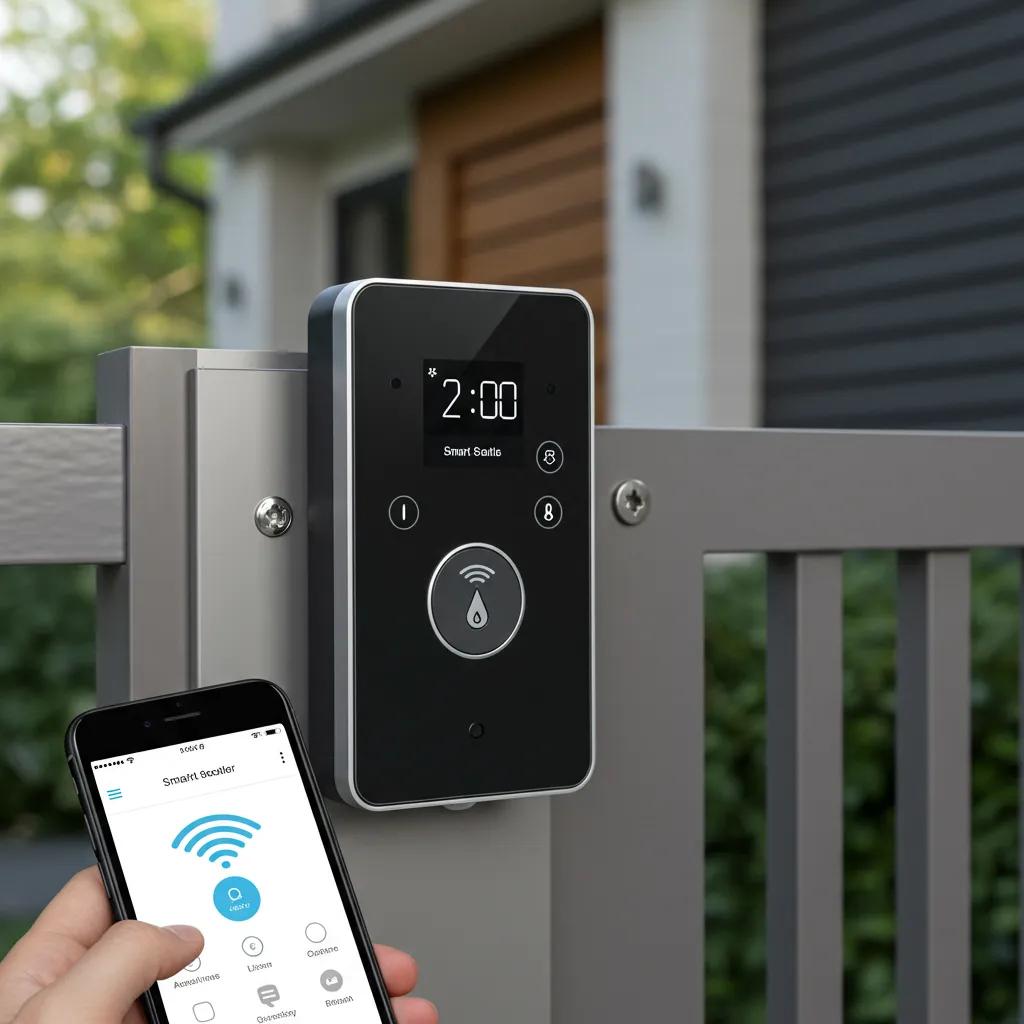
Smart fence gates incorporate cameras, motion detectors, biometric scanners, and smartphone app controls to create a connected access ecosystem.
Live video feeds and two-way audio intercoms enable remote visitor verification, while biometric readers allow keyless entry for authorized individuals.
App-based integration supports scheduling guest access, receiving real-time alerts, and linking gate operation to broader home automation systems, reinforcing how technology elevates gate functionality beyond simple barriers.
How Do Solar-Powered Fence Gates Support Sustainability and Energy Savings?
Solar-powered gate openers harness photovoltaic panels to charge battery banks, providing off-grid reliability and reducing electricity costs.
Integrated solar kits often include energy-efficient motors and intelligent charge controllers that optimize power usage.
This eco-friendly solution ensures gate operation during outages and aligns with growing demand for sustainable property infrastructure, cementing solar integration as a key trend in automatic and smart gate development.
Which Fence Gate Hardware and Accessories Are Essential for Functionality?
High-quality hardware and accessories form the mechanical backbone of every fence gate, ensuring smooth operation, security, and longevity. From hinge design to latch selection, each component must match gate type and material to deliver optimal performance.
What Types of Gate Hinges Are Best for Different Gate Materials?
Gate hinges vary by load capacity, material compatibility, and adjustment features.
- Ball-bearing hinges suit heavy steel or wrought iron gates, offering smooth pivot under significant weight.
- Adjustable strap hinges complement wooden privacy gates, allowing fine-tuning of gate leveling.
- Roller hinges facilitate seamless movement for sliding gates, supporting lateral loads on track systems.
How Do Gate Latches and Locks Enhance Security?
Gate latches and locks control access by providing reliable closure and resistance to tampering. Gravity-latch mechanisms offer self-latching convenience on swing gates, while keyed deadbolts and electronic locks add theft deterrence and programmable entry control. Incorporating weather-resistant materials and anti-corrosion finishes ensures security hardware performs under harsh conditions.
What Are the Best Practices for Gate Posts and Supports?
Gate posts anchor gates under dynamic loads and must resist soil movement, wind, and gate weight. Best practices include:
- Using steel-reinforced posts for heavy or automated gates
- Setting posts in concrete footings below frost line for stability
- Incorporating post caps and drip edges to divert water and prevent rot
Proper post construction underpins hinge alignment and overall gate durability, paving the way for safety-oriented accessories like closers.
How Do Gate Closers Improve Gate Operation and Safety?
Gate closers provide controlled, automatic return action that ensures gates remain closed and secure after use. Hydraulic or spring-loaded closers prevent slamming, reduce wear on hinges, and comply with fire and safety regulations in commercial settings. Adjustable closing speeds and back-check features allow customization of gate operation, rounding out the essential accessory suite for reliable fence gate functionality.
How Much Does Fence Gate Installation Cost and What Factors Affect Pricing?
Fence gate installation pricing depends on gate type, material choice, automation level, and labor rates. Understanding cost drivers helps property owners budget accurately and assess long-term value rather than focusing solely on upfront expenses.
What Are Typical Price Ranges for Different Gate Types and Materials?
Material and gate style significantly influence installed cost:
- Wood Walk Gate – $300 to $700 for basic single panels
- Vinyl Driveway Gate – $1,200 to $2,500 for automated single-swing models
- Aluminum Sliding Gate – $2,500 to $5,000 including motor and track
- Wrought Iron Estate Gate – $5,000 to $10,000 for custom ornamental designs
These ranges exclude site-specific factors such as terrain grading and electrical service work, guiding homeowners toward realistic budget expectations.
How Does Professional Installation Impact Overall Cost and Quality?
Professional installation adds labor and equipment charges—typically 30–50 percent of material cost—but ensures proper post setting, hardware alignment, electrical hookup, and compliance with local codes. Skilled installers reduce risk of alignment issues, premature wear, and warranty disputes, delivering higher long-term value despite increased upfront investment.
What Are the Long-Term Savings of Low-Maintenance and Durable Gates?
Investing in low-maintenance materials—such as aluminum, vinyl, and composite—yields savings by minimizing repainting, repairs, and replacement frequency. Durable finishes and corrosion-resistant hardware further reduce service calls and part failures. Over a 10-year horizon, lower upkeep requirements can offset higher initial installation costs, demonstrating that material and design choices directly influence total cost of ownership and property value enhancement.
A well-chosen fence gate balances security, aesthetics, functionality, and cost, guiding property owners toward solutions that endure both style trends and structural demands.
A thoughtfully selected and properly installed fence gate transforms any entryway into a secure, stylish, and highly functional component of your property’s perimeter. By exploring types, materials, designs, installation methods, automation, hardware essentials, and cost factors, you’re equipped to make informed decisions that align with your aesthetic vision, security needs, and budget considerations. Investing in quality craftsmanship, durable materials, and intelligent automation ensures your fence gate remains a reliable focal point for years to come. Embrace these insights to create an entryway that enhances both curb appeal and peace of mind.