Best Fence Installation in Los Angeles: Expert Services, Costs, and Solutions for Homeowners and Businesses
Los Angeles homeowners and business owners know that a well-installed fence is more than just a boundary—it’s a strategic investment in security, privacy, and curb appeal. Understanding the true cost of fence installation can prevent surprises and empower better budgeting decisions. This guide delivers transparent insights on pricing, material choices, and professional processes tailored to Los Angeles properties. You will discover which fence types perform best under Southern California conditions, how our installation workflow ensures quality, and actionable steps to request a free quote. By the end, you will be equipped with the knowledge to transform your outdoor spaces confidently.
HawkLink Fences combines local expertise with durable materials and craftsmanship to enhance property value and safety. Our expert team works with wood, vinyl, wrought iron, and chain link options to suit varied design preferences and performance needs. From initial site assessment through post-installation support, we leverage proven methods that comply with Los Angeles permit regulations. Read on to explore cost breakdowns, fence comparisons, step-by-step installation protocols, contractor selection criteria, maintenance services, gate solutions, and planning tips to complete your project.
How Much Does Fence Installation Cost in Los Angeles?
Estimating fence installation cost in Los Angeles involves understanding several interrelated factors that influence the final price. Material selection, labor rates, site terrain, and permit requirements all contribute to project variability. As local installers, HawkLink Fences factors in regional labor costs and sustainable sourcing to deliver competitive quotes. Recognizing these cost drivers early ensures you plan effectively and avoid budget overruns. The following sections break down each determinant and offer average price ranges to guide your decision.
What Factors Affect Fence Installation Prices in Los Angeles?
Fence installation prices in Los Angeles vary based on multiple attributes that installers and property owners must consider.
- Material quality and type determine base cost, with premium woods and ornamental iron at the higher end.
- Labor complexity rises with challenging terrain, sloped lots, and required demolition of old fencing.
- Permit fees and inspections depend on fence height, location relative to property lines, and local code.
- Custom features such as decorative caps, automation hardware, and integrated lighting add to installation scope.
- Distance from supply centers can affect delivery charges for heavy materials.
These elements collectively define your project’s parameters and prepare you for a realistic investment. Understanding these variables leads us to specific average price benchmarks for different fence materials.
What Are the Average Price Ranges for Different Fence Types?
Below is an overview of typical costs per linear foot for common fence materials in Los Angeles alongside their standout benefit.
These price brackets account for material, installation labor, and standard permit processing. Exploring each fence type’s unique advantages will help you align your budget with performance expectations.
How Can You Get a Free Fence Installation Quote in Los Angeles?
Securing a no-obligation quote from HawkLink Fences begins with a complimentary site consultation to assess your property’s specific requirements. Our process unfolds in three steps:
- Schedule an on-site evaluation to measure fencing scope and identify potential challenges.
- Review material options and design preferences with our installation specialist to tailor a solution.
- Receive a detailed written estimate outlining costs, timelines, and any necessary permit fees.
This transparent consultation ensures you understand all cost components before committing. Next, we’ll explore which fence types best suit Los Angeles properties and climates.
Which Fence Types Are Best for Los Angeles Properties?
Selecting the ideal fence type for Los Angeles hinges on balancing style, maintenance, and functional needs under regional weather patterns. Coastal salt air and intense sunshine influence material longevity, while urban and suburban settings present diverse aesthetic and security requirements. HawkLink Fences curates fencing solutions that excel in local conditions and complement property architecture. By comparing core options, you can determine the best match for your home or business.
What Are the Benefits of Wood Fencing for Los Angeles Homes?
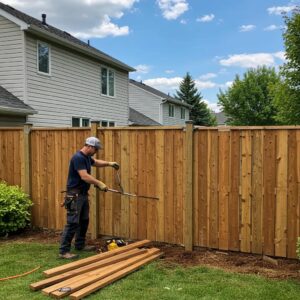
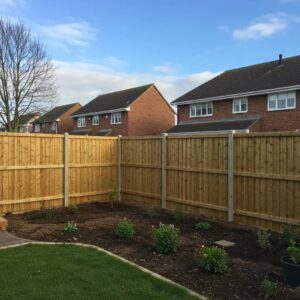
Wood fencing offers timeless appeal, natural warmth, and flexible customization for residential exteriors. Its benefits include:
- Durability when treated with weather-resistant finishes that ward off moisture and UV damage.
- Privacy provided by solid panels that block sight lines and reduce noise.
- Aesthetic versatility allowing stain or paint choices to match architectural styles.
Wood’s organic texture integrates seamlessly with landscaping and can be enhanced with ornamental caps or lattices. Understanding these advantages sets the stage for low-maintenance alternatives such as vinyl.
Why Choose Vinyl Fencing for Low Maintenance and Longevity?
Vinyl fencing provides a maintenance-free solution that stands up to Los Angeles sun, rain, and salt exposure without warping or fading. Its core advantages:
- Weather resistance ensures no rotting, splitting, or painting requirement.
- Color retention maintains brightness for years thanks to UV-stabilized polymers.
- Easy cleaning with simple rinsing rather than sanding or staining.
Vinyl panels resist insect damage and offer consistent panel-to-panel stability. As a durable alternative, wrought iron elevates security and design prestige for more formal properties.
How Does Wrought Iron Enhance Security and Curb Appeal?
Wrought iron combines robust strength with ornate design possibilities that elevate both safety and street presence. Key benefits:
- High tensile strength deters intrusion and resists impacts better than wood or vinyl.
- Customizable designs feature scrollwork, spear tops, and bespoke motifs.
- Longevity with powder-coated finishes guarding against corrosion in coastal zones.
While requiring occasional repainting to maintain finish, wrought iron offers unmatched security and architectural elegance. For budget-minded applications, chain link remains a practical choice.
When Is Chain Link Fencing Ideal for Residential and Commercial Use?
Chain link fencing excels when affordability, visibility, and straightforward installation are priorities. Typical advantages:
- Cost-effective installation with minimal ground preparation and labor.
- Security through high-tensile galvanized steel option that is difficult to breach.
- Open sight lines maintaining visibility for security cameras and natural surveillance.
Chain link works well for backyards, schools, sports fields, and commercial perimeters, bridging practicality with durability. Next, let’s examine the fence installation journey from concept to completion.
What Are the Steps in the Fence Installation Process in Los Angeles?
A seamless fence installation process delivers consistent quality, timely completion, and regulatory compliance across all project phases. HawkLink Fences follows a structured workflow that maximizes transparency and client satisfaction. By understanding each phase, you know what to expect and how to prepare your property. The process begins with a collaborative design discussion and concludes with post-installation support.
How Does the Consultation and Design Phase Work?
The initial phase defines project scope, style preferences, and site constraints through on-site assessment. During consultation:
- Installers measure property boundaries and note terrain features.
- Clients review material samples, color charts, and accessory options.
- Permit requirements and estimated timelines are outlined clearly.
This phase ensures your vision integrates with local codes and budget parameters. Once design is finalized, we move on to sourcing high-quality materials locally.
What Materials Are Used and How Are They Sourced Locally?
To ensure durability and sustainability, HawkLink Fences sources materials from Southern California suppliers renowned for quality. Materials include:
- Pressure-treated lumber certified for resistance against decay and pests.
- UV-stabilized vinyl panels formulated for coastal and inland climates.
- Galvanized steel and wrought iron treated to resist corrosion in salt-air environments.
Local partnerships reduce delivery lead times and support regional manufacturers. With materials on-site, the professional installation steps begin.
What Are the Professional Installation Steps?
Fence construction follows precise, industry-proven techniques to guarantee alignment, stability, and finish quality. Core steps include:
- Site preparation by clearing vegetation and marking post locations.
- Post setting in concrete footings to ensure stable anchoring.
- Panel attachment with level checks and secure fasteners.
- Finishing touches such as cap installation, gates, and hardware adjustment.
Each stage incorporates quality checkpoints to uphold installation standards. Upon completion, we verify final integrity and prepare for ongoing support.
How Is Quality Assured and What Post-Installation Support Is Offered?
Quality assurance combines visual inspection, structural testing, and client walkthrough to confirm satisfaction. After installation, support includes:
- Warranty coverage on materials and workmanship for peace of mind.
- Maintenance guidance advising on cleaning, staining, or lubrication schedules.
- Repair services available for damage restoration or accessory adjustments.
This committed follow-through enhances fence longevity and ensures your investment continues to deliver security and curb appeal. Next, learn how to choose the right contractor for your project.
How Do You Choose the Right Fence Contractor in Los Angeles?
Selecting a qualified fence contractor bridges the gap between a satisfactory installation and a lasting enhancement to your property. Key considerations include proven local experience, strong communication, and transparent warranty terms. By vetting contractors against these criteria, you gain confidence in workmanship standards and regulatory compliance. Below are the essential qualities to evaluate when making your choice.
What Qualifications and Experience Should You Look For?
Expert fence installers demonstrate a track record of completed projects, specialized training, and licensing. Indicators of credibility include:
- Local project portfolio showcasing diverse fence types in varied settings.
- Trade certifications from industry organizations validating workmanship proficiency.
- Insurance and bonds protecting both client and contractor against on-site incidents.
These credentials signal reliability and technical competence. Equally important are customer service practices and warranty commitments.
How Important Is Customer Service and Warranty Coverage?
Exceptional customer service ensures a responsive, transparent installation experience from start to finish. Look for contractors who:
- Provide clear estimates detailing allowances for unexpected site conditions.
- Offer comprehensive warranties covering materials and labor for a defined period.
- Maintain open communication with regular progress updates and post-installation check-ins.
Generous warranty terms reflect confidence in workmanship and foster lasting client relationships. Familiarity with local permit processes further distinguishes top-tier contractors.
Why Is Local Knowledge of Los Angeles Fence Permits Essential?
Compliance with Los Angeles permit requirements prevents costly delays and code violations. Local permit expertise involves:
- Understanding height and setback restrictions dictated by city zoning regulations.
- Preparing and submitting permit applications with accurate site plans and specifications.
- Coordinating inspections with municipal building departments to secure final approval.
Contractors who navigate these steps seamlessly save clients time and ensure a legally compliant project. With the right installer selected, attention to long-term care completes the fence lifecycle.
What Are the Common Fence Repair and Maintenance Services in Los Angeles?
Regular repair and maintenance preserve fence integrity, extend lifespan, and maintain visual appeal under Los Angeles conditions. Exposure to sun, rain, and wind can cause wear that requires prompt attention. Proactive service appointments prevent minor issues from escalating into major replacements. HawkLink Fences offers comprehensive maintenance and repair solutions to keep your fence performing optimally.
When Is Fence Repair Necessary and What Does It Involve?
Fence repair becomes necessary when structural damage, rot, or hardware failure compromise performance. Common repair tasks include:
- Replacing damaged posts or panels that lean or wobble due to ground settlement.
- Reinforcing loose pickets or boards to restore privacy and security.
- Repairing or replacing gate hardware such as hinges, latches, and automated operators.
Timely intervention restores fence function and prevents further deterioration. Regular maintenance reduces the frequency and scale of such repairs.
How Can Regular Maintenance Extend Fence Longevity?
Consistent upkeep combats environmental stressors and preserves material quality over time. Maintenance best practices include:
- Cleaning surfaces to remove dirt, mold, and pollen that accelerate wear.
- Staining or sealing wood fences annually to shield against UV and moisture.
- Inspecting fasteners and applying lubricant to gate mechanisms for smooth operation.
These preventive measures support structural health and aesthetic retention. Over time, material upgrades may become a cost-effective consideration.
What Are the Options for Fence Replacement and Upgrades?
When repair is no longer viable, upgrading to advanced materials can deliver improved performance and style. Upgrade pathways include:
- Switching from wood to vinyl for maintenance-free resilience.
- Enhancing chain link with slat inserts to increase privacy and visual appeal.
- Adding decorative wrought iron panels to boost security and architectural detail.
Selecting the right upgrade aligns with evolving property needs and budget. Beyond fences, gate solutions complete a cohesive perimeter system.
What Are the Gate Installation and Repair Options Available in Los Angeles?
Gate solutions expand functionality and access control, complementing perimeter fencing with tailored entry points. Choosing the appropriate gate type balances ease of use, security features, and site configuration. Whether manual or automated, gates require precise installation and occasional repair to maintain reliability. HawkLink Fences delivers end-to-end gate services to integrate seamlessly with your fence system.
What Types of Driveway Gates Can Be Installed?
Driveway gates define primary access and set the tone for property security. Popular driveway gate types include:
- Swing gates that open inward or outward on sturdy hinges for classic appeal.
- Sliding gates operating on rollers to conserve space on narrow driveways.
- Bi-fold gates folding in sections for compact footprint and modern aesthetic.
Each style offers unique site-specific benefits. Automated operators further enhance convenience and perimeter protection.
How Do Automatic Gate Repairs Work and When Are They Needed?
Automatic gate systems combine mechanical hardware with motorized operators that require periodic servicing. Repair triggers include:
- Motor burnout or circuit faults causing failure to open or close.
- Worn gears and rollers leading to noisy or jerky movement.
- Sensor misalignment compromising safety reversal features.
Technicians diagnose electrical and mechanical components to restore smooth, safe operation. Routine inspections prevent unexpected downtime.
What Pedestrian Gate Solutions Are Best for Residential and Commercial Properties?
Pedestrian gates provide controlled foot access and can be customized for decorative or security purposes. Top choices include:
- Latch-and-hinge wood gates for backyard entries with privacy slats.
- Wrought iron pedestrian gates featuring ornamental scrollwork and latch locks.
- Keypad-controlled metal gates offering access management without stand-alone security booths.
Selecting the right gate enhances both functionality and aesthetics. With gate services detailed, attention to compliance completes project planning.
What Are the Los Angeles Fence Permit Requirements and Planning Tips?
Navigating Los Angeles fence permit requirements ensures a legally compliant installation and prevents costly rework. Permit rules vary by neighborhood, fence height, and proximity to property lines. Early planning for permit submission and inspections streamlines project scheduling. This final section clarifies when permits are needed and how licensed contractors assist in the approval process.
When Is a Permit Required for Fence Installation in Los Angeles?
A permit is required when fences exceed six feet in height in rear and side yards within city limits. (dpw.lacounty.gov) Exceptions apply to non-structural garden fences under designated heights. Variances may be sought for decorative features surpassing standard limits. Understanding these thresholds prevents code violations and removal orders. Next, we’ll review contractor-assisted permit processes.
How Can Contractors Help Navigate the Permit Process?
Licensed contractors handle permit applications, plan submittals, and inspection scheduling on your behalf. They prepare accurate site plans and detailed specifications to comply with zoning and building codes. By coordinating with local building departments, contractors reduce approval delays and ensure correct documentation. This professional support safeguards your investment and accelerates project timelines.
What Local Regulations Affect Fence Design and Placement?
Los Angeles regulations address aesthetic and safety considerations such as visibility at driveways, corner lot setbacks, and homeowner association guidelines. Specific rules include:
- Corner visibility triangles to maintain sight lines for vehicles and pedestrians.
- Restrictive covenants in planned communities dictating fence materials and colors.
- Historic district ordinances imposing design controls on fence styles.
Adhering to these parameters ensures both legal compliance and neighborhood harmony.