Complete Fence Repair Guide: Types, Costs, and Professional Solutions
Repairing a damaged fence restores security, curb appeal, and property value by addressing issues from rot to sagging panels. This guide delivers actionable insights into common repair types, cost considerations, repair-versus-replace decisions, DIY methods, contractor selection, maintenance strategies, and legal obligations. You’ll discover how to tackle wood rot, chain link tears, vinyl cracks, gate hinge failures, and leaning posts, estimate expenses for each repair scenario, weigh repair against full replacement, perform temporary fixes or full DIY restorations, evaluate professional services, implement longevity-enhancing upkeep, and navigate shared-fence responsibilities. By integrating technical details, practical examples, and cost breakdowns, this article equips homeowners with the knowledge to restore any fence type effectively.
Complete Fence Repair Guide: Types, Costs, and Professional Solutions
Repairing a damaged fence restores security, curb appeal, and property value by addressing issues from rot to sagging panels. This guide delivers actionable insights into common repair types, cost considerations, repair-versus-replace decisions, DIY methods, contractor selection, maintenance strategies, and legal obligations. You’ll discover how to tackle wood rot, chain link tears, vinyl cracks, gate hinge failures, and leaning posts, estimate expenses for each repair scenario, weigh repair against full replacement, perform temporary fixes or full DIY restorations, evaluate professional services, implement longevity-enhancing upkeep, and navigate shared-fence responsibilities.
Best Practices for Maintenance of Control-of-Access Fencing, M Moomen, 2025
What Are the Most Common Fence Repair Types?
Fence repair encompasses diverse materials and damage modes, each demanding tailored methods. Typical repairs involve replacing rotted wood, patching chain link tears, swapping cracked vinyl panels, adjusting gate hinges, and securing or replacing leaning posts. Understanding these core repair types helps prioritize interventions and select appropriate tools, supplies, and techniques. Below is an overview of frequent fence damage categories and the corresponding repair methods.
This breakdown clarifies how material characteristics dictate repair approaches, setting the stage for detailed instructions on each repair type.
How Do You Repair a Wood Fence?
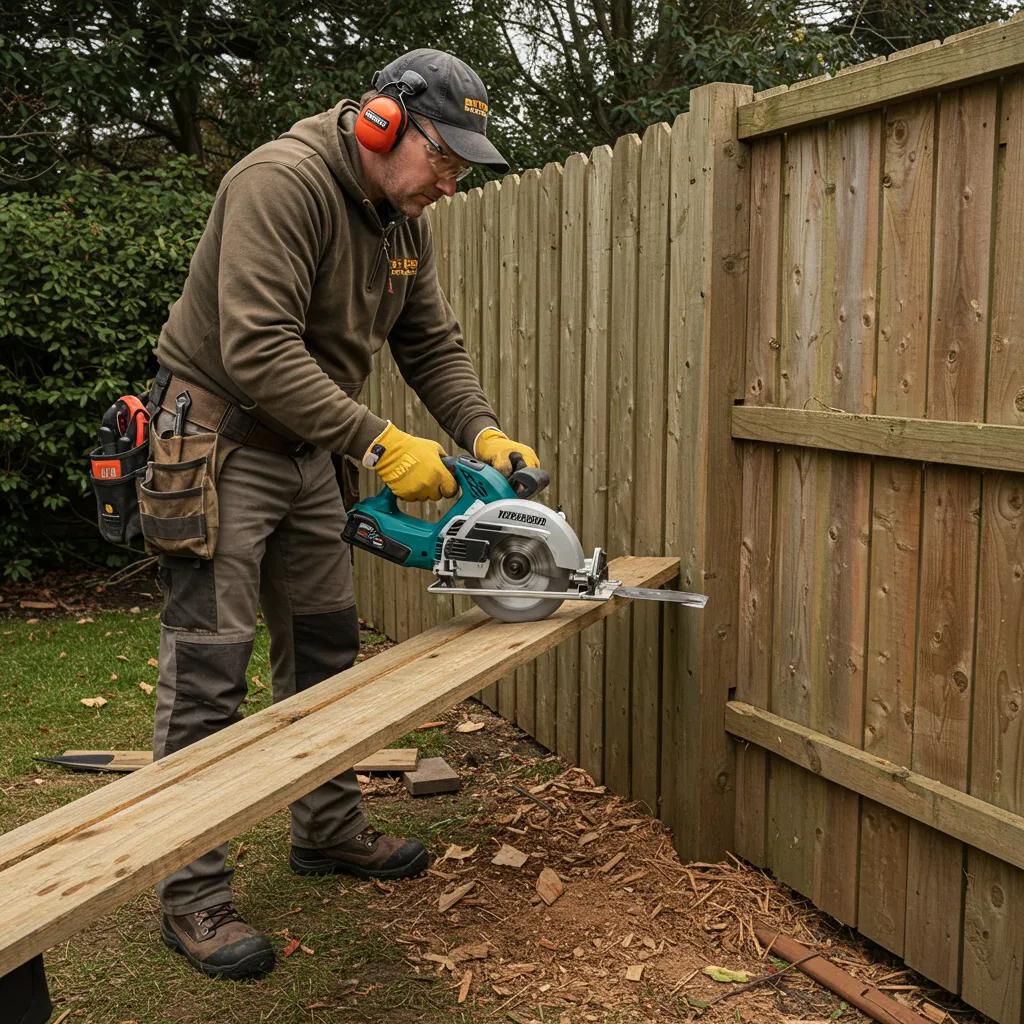
Repairing a wood fence begins with identifying rotten or warped boards and signs of mold. Remove damaged pickets or panels using a pry bar, then cut new cedar or pressure-treated boards to match. Secure replacements with galvanized nails or screws and apply a wood preservative or stain to resist moisture and insect infestation. Sealing end grains and reinstalling pickets on properly squared rails prevents future deterioration.
Understanding the specific methods for wood rot prevention is crucial for long-term fence health.
Preservative Treatment for Fence Posts and Farm Timbers to Prevent Rot
This paper discusses the use of wood preservatives and different treating methods to protect fences and wooden buildings. It aims to help understand and control wood rot, as the replacement of untreated fence posts is a common issue.
Preservative Treatment of Fence Posts and Farm Timbers, 1967
The effectiveness of wood preservatives in combating rot is well-documented.
Protecting Wood Fences from Rot and Decay
Rot isn’t as severe on fence parts above ground, but wood can decay. Decay-resistant wood follow careful construction practices. Control specialist treat the soil around posts and below the ground line to prevent rot.
Protecting wood fences for yard and garden, 1979
What Are Effective Chain Link Fence Repair Techniques?
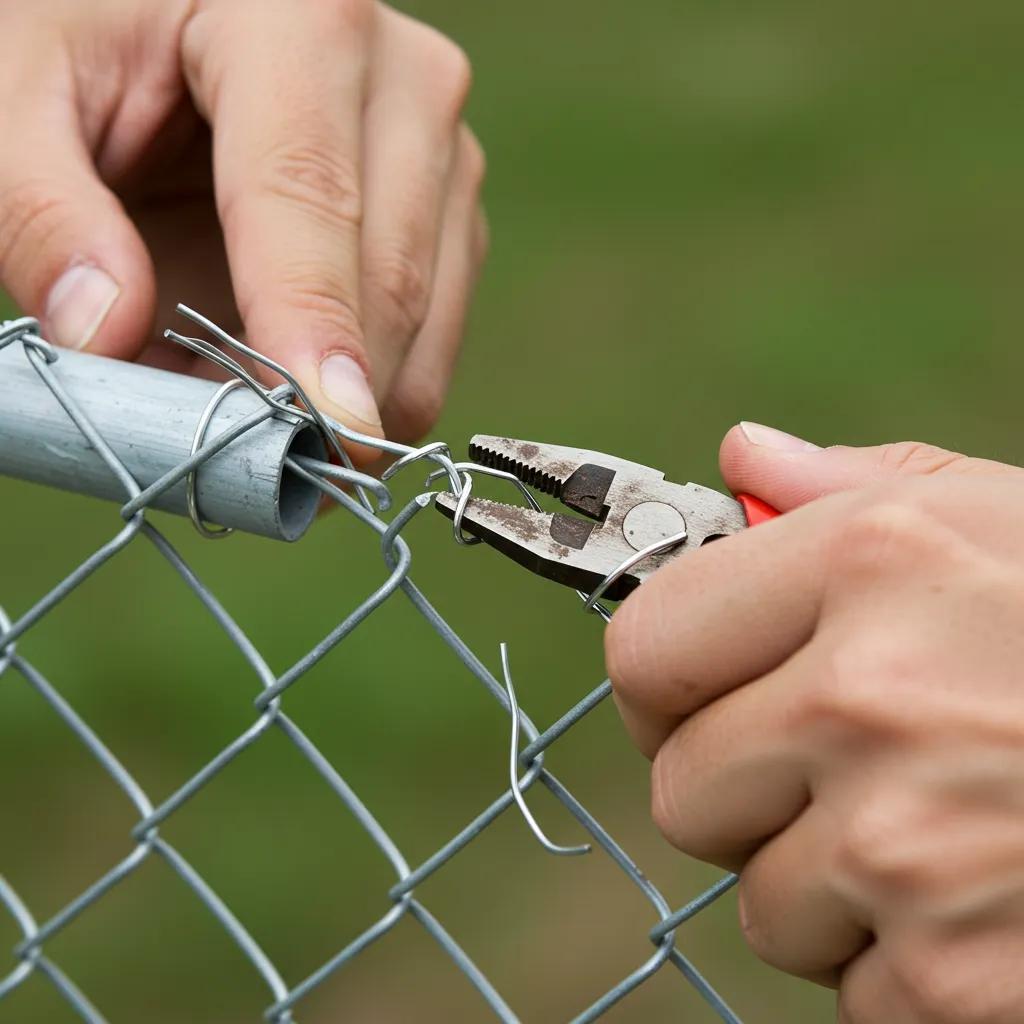
Chain link repair addresses tears by weaving replacement wire or applying a mesh patch held by hog rings. For sagging sections, adjust tension bars and tighten top rails using a come-along and tension bands. Repair kits include splice clips, tension rods, and pliers; always inspect connections at end posts and brace rails to restore uniform alignment and prevent future loosening under stress.
How Is Vinyl and Composite Fence Repair Done?
Vinyl or composite fencing often cracks under impact or extreme temperature changes. Repair involves removing the damaged panel, cleaning grooves, and fitting a matching replacement. Snap-in replacement systems streamline panel swaps, while UV-resistant adhesive can mend minor cracks. For composite materials, ensure replacements match color and texture to maintain continuity and prevent moisture intrusion at joints.
When Should You Repair Fence Gates and Hinges?
Gates suffer sagging when hinges loosen or fasteners corrode. Inspect hinge screws and pins, tightening or replacing hardware rated for outdoor use. Shimming hinge plates realigns gate posture, while stainless-steel hinges resist rust. Lubricate moving parts with silicone spray to minimize friction and prevent squeaking, restoring smooth operation and preventing undue stress on posts.
How Do You Fix and Replace Fence Posts?
Leaning or rotted posts compromise structural integrity. For temporary bracing, use adjustable metal braces anchored in the ground. Permanent repair requires digging out the old post, installing a new pressure-treated or metal-reinforced post, and supporting it in concrete or compacted gravel. Align posts with a level before backfilling, ensuring proper height and stability to support rails or panels.
How Much Does Fence Repair Cost?
Fence repair cost varies by material, damage extent, and labor source. On average, homeowners spend between $10 and $50 per linear foot for material and basic labor. Labor rates for professional repair range from $35 to $75 per hour, depending on region and specialty. Below is a cost comparison for common repair scenarios.
What Is the Average Cost for Wood Fence Repair?
Wood fence repair typically runs $15–$40 per linear foot, driven by cedar or pine board costs and protective sealants. Labor to remove and replace damaged boards averages $50–$70 per hour. Simple nail-up repairs cost less, while full panel swaps and staining add to material and labor expenses.
How Much Does Chain Link Fence Repair Typically Cost?
Professional chain link repair averages $10–$30 per foot, factoring in replacement wire, splice clips, and tension hardware. Patching small tears DIY can reduce costs to under $5 per foot, but extensive sagging requiring rail realignment and post resetting may increase labor to $60–$80 per hour.
What Are the Price Ranges for Fence Post and Gate Repairs?
Replacing a single fence post costs $25–$75, depending on concrete use and soil conditions. Gate hinge replacement and realignment range from $50 to $150 per gate, influenced by hinge grade and gate dimensions. Emergency bracing kits for temporary fixes can cost $20–$40, providing quick stability until permanent repairs.
How Do DIY Fence Repairs Compare to Hiring Professionals?
DIY repairs save up to 50% on labor but require tool investment—saws, drills, tensioners, and mixers. Professionals bring specialized equipment, speed, and warranty coverage, often completing repairs in a fraction of the time. DIY suits minor fixes; large-scale repairs or working with heavy materials generally benefit from experienced contractors.
When Should You Repair Your Fence vs. Replace It?
Deciding between repair and replacement hinges on damage severity, fence age, and long-term performance. Minor localized damage in newer fences is ideal for repair, while widespread rot, warping, or multiple leaning posts often justify full replacement. Assess structural condition, total repair cost versus replacement investment, and desired lifespan before choosing.
What Signs Indicate a Fence Needs Repair Instead of Replacement?
Visible signs favoring repair include isolated rot spots, single broken panels, minor gate sag, or isolated lean. If structural posts remain sound and damage affects fewer than 20% of sections, replacing boards or components restores functionality without the expense of a full rebuild.
How Do Age and Material Affect Repair Decisions?
Wood fences over 15 years old often exhibit deep rot and warping, making patch repairs temporary. Vinyl and composite fences typically last 20–30 years with minimal wear; cracking in these materials may still justify panel replacement over wholesale replacement. Metal fences resist many damage modes but corrode over decades, so spot welding or rail reinforcement can extend life.
What Are the Benefits of Repairing Over Replacing?
Repairing reduces material waste, lowers immediate costs, and preserves existing landscaping. It minimizes installation time and disruption, while targeted repairs can be completed in a day. Retaining quality sections maintains aesthetic continuity and defers larger capital outlay.
When Is Full Fence Replacement Recommended?
Full replacement becomes preferable when damage is extensive—rotted posts at multiple locations, widespread panel failure, or persistent structural issues. Replacement guarantees uniform performance, allows upgrading to improved materials (e.g., composite or galvanized steel), and resets maintenance schedules for decades of optimal service.
How Can Homeowners Perform DIY Fence Repairs?
DIY fence repairs empower homeowners to address minor damage and save on labor. Essential projects range from temporary bracing for lean, to full post replacement, and patching chain link tears. Success requires proper tools, materials, and step-by-step guidance to ensure safe, lasting outcomes.
What Tools and Materials Are Needed for DIY Wood Fence Repair?
A complete DIY wood fence repair toolkit includes:
- A circular saw or handsaw for cutting replacement boards
- A pry bar for removing damaged pickets
- Galvanized nails or exterior-grade screws
- Wood preservative or stain
- A level and measuring tape for accurate alignment
- Protective gear such as gloves and safety glasses
Having these tools ensures precise cuts, secure fastening, and proper sealing to extend board life.
How Do You Temporarily Fix a Leaning or Broken Fence?
Quick fixes for an emergency lean involve driving timber braces or metal stakes alongside the post and securing with clamps or straps. For broken rails, use adjustable metal brackets or zip ties to hold panels in place until permanent repairs. These temporary measures restore partial stability and safety overnight.
What Are Step-by-Step Instructions for Rotted Fence Post Repair?
- Prepare the Area – Remove mulch and excavate around the rotted post.
- Remove the Damaged Post – Saw off or dig out the old post, clearing the hole fully.
- Install the New Post – Place a pressure-treated post, align with a level, and backfill with concrete or compacted gravel.
- Reattach Rails and Panels – Secure horizontal rails and panels to the new post using weather-resistant hardware.
Following each step ensures a stable foundation and proper load transfer for the fence structure.
How Do You Patch Chain Link Fence Tears Yourself?
Cut a patch piece from matching gauge wire mesh, overlap the tear by two inches, and secure with galvanized hog rings spaced every four inches using hog ring pliers. Re-tension the top rail and tighten tension bands at end posts to restore uniform appearance and strength.
When Should You Stop DIY and Call a Professional?
If repairs involve extensive post replacement across multiple sections, heavy concrete work in unstable soil, or specialized welding for metal fencing, professional expertise is advised. Complex tasks risking injury—such as handling deep post holes or large fence panels—warrant engaging a licensed fence contractor.
How Do You Find Reliable Fence Repair Contractors Near Me?
Locating a trustworthy contractor requires evaluating qualifications, comparing local providers, and asking targeted questions. A reliable fence professional holds proper licensing, insurance, and expertise in specific materials. Thorough vetting ensures quality work, timely completion, and clear cost expectations.
What Qualifications Should a Fence Repair Contractor Have?
A reputable contractor maintains:
- Valid local licensing to perform fence work
- Liability and workers’ compensation insurance
- Specialty certifications for wood, vinyl, or metal fencing
- Positive customer reviews or referrals demonstrating quality and reliability
Verifying these credentials reduces risk and protects homeowners against liability.
How Do You Compare Local Fence Repair Services?
Start by gathering multiple estimates, examining scope of work, and requesting proof of insurance. Compare project timelines, warranties, and included materials. Ask for before-and-after photos of similar repairs and check for consistent communication and transparent pricing to differentiate providers.
What Questions Should You Ask Before Hiring a Fence Repair Professional?
Essential pre-hire inquiries include:
- Do you carry liability and workers’ compensation insurance?
- Can you provide references or a portfolio of past projects?
- What warranty do you offer on materials and labor?
- Do you handle permit acquisition and inspections?
These questions clarify responsibilities and establish clear expectations.
How Do Contractors Handle Different Fence Materials and Repairs?
Professional teams typically assign specialists to each material type—wood crews for board replacement, metal welders for chain link or ironwork, and vinyl technicians for panel swaps. They deploy material-specific tools (e.g., tensioners, concrete mixers, penetration drills) and follow manufacturer guidelines to ensure durable, code-compliant repairs.
What Are Preventative Maintenance Tips to Extend Fence Life?
Regular maintenance prevents common damage, preserves appearance, and extends service life. Key tasks include cleaning, protective treatments, component adjustments, and periodic inspections. A proactive approach reduces repair frequency and preserves structural integrity for years.
How Do You Prevent Wood Fence Post Rot and Damage?
Apply a wood preservative or water-repellent sealant annually, and cap post tops with metal or rubber post savers to deflect moisture. Ensure proper drainage by sloping adjacent soil away from posts and installing gravel backfill to minimize soil-wood contact that accelerates rot.
What Maintenance Is Needed for Chain Link and Metal Fences?
Scrub galvanized surfaces yearly with a mild detergent to remove corrosive debris, then inspect tension bands and brackets for rust. Tighten loose fittings and apply rust-inhibiting primer and paint to vulnerable areas. Tension wires should be checked biannually to maintain fence tautness.
How Can Vinyl and Composite Fences Be Maintained to Avoid Cracks?
Clean vinyl or composite panels with a soft brush and mild detergent to remove grime and mildew. Inspect joints and post caps for UV-induced brittleness, replacing worn seals. Replacing damaged posts or rails promptly prevents stress fractures and maintains panel alignment under wind loads.
How Often Should You Inspect and Maintain Your Fence?
Perform a visual inspection twice a year—preferably spring and fall—to catch emerging issues early. Address minor repairs within weeks to prevent escalation. Scheduling maintenance near seasonal shifts ensures protective coatings and hardware remain effective before harsh weather impacts.
What Are Legal and Neighborly Considerations in Fence Repair?
Fence repair often involves shared boundaries, requiring clear communication, permit awareness, and fair cost sharing. Understanding local ordinances, joint ownership rules, and best-practice neighbor etiquette prevents disputes and fosters cooperative solutions.
Who Is Responsible for Shared Fence Repairs?
Responsibility typically divides equally between adjoining property owners when fences lie on shared lines. Homeowners should review local ordinances or HOA rules for cost-sharing mandates. Written agreements specifying repair scope and financial contributions help avoid misunderstandings.
How Do Local Regulations Affect Fence Repair and Replacement?
Municipal codes may dictate maximum fence height, permitted materials, and setback requirements. Permits are often required for structural changes or replacements over a certain length or height. Verifying regulations before work begins prevents fines and ensures code compliance.
What Are Best Practices for Communicating with Neighbors About Fence Repairs?
Initiate discussions early, presenting repair plans, cost estimates, and proposed timelines. Offer to coordinate contractor schedules and share written agreements on cost distribution. Maintaining polite, transparent communication preserves neighborly relations and simplifies joint projects.
Repairing a damaged fence enhances your home’s security, appearance, and value while avoiding the full expense of replacement when feasible. By understanding common repair types, estimating costs, weighing repair versus replacement, mastering DIY steps, selecting reliable contractors, implementing preventative maintenance, and navigating neighborly and legal considerations, homeowners can ensure a durable, attractive boundary for years to come. Confidence in each repair decision supports long-term fence integrity and fosters peace of mind.