Cable Railing Systems: Your Ultimate Guide to Selection, Installation, and Care
Discover how cable railing systems deliver breathtaking, unobstructed views, a contemporary aesthetic, and enduring strength for homes and businesses alike. This comprehensive guide covers everything you need to know: what cable railing is, its pros and cons, material and orientation choices, cost breakdowns, DIY versus professional installation, essential maintenance tips, the latest design trends, and how to pick the perfect system for your unique project. Whether you’re a homeowner aiming for a chic deck railing or a contractor seeking dependable fence solutions, you’ll find practical, clear advice to ensure your cable railing installation is safe, stylish, and a smart investment.
Ready to Transform Your Space?
Explore our premium cable railing systems and get a personalized quote today!
What Exactly Are Cable Railing Systems and Why Are They So Popular?
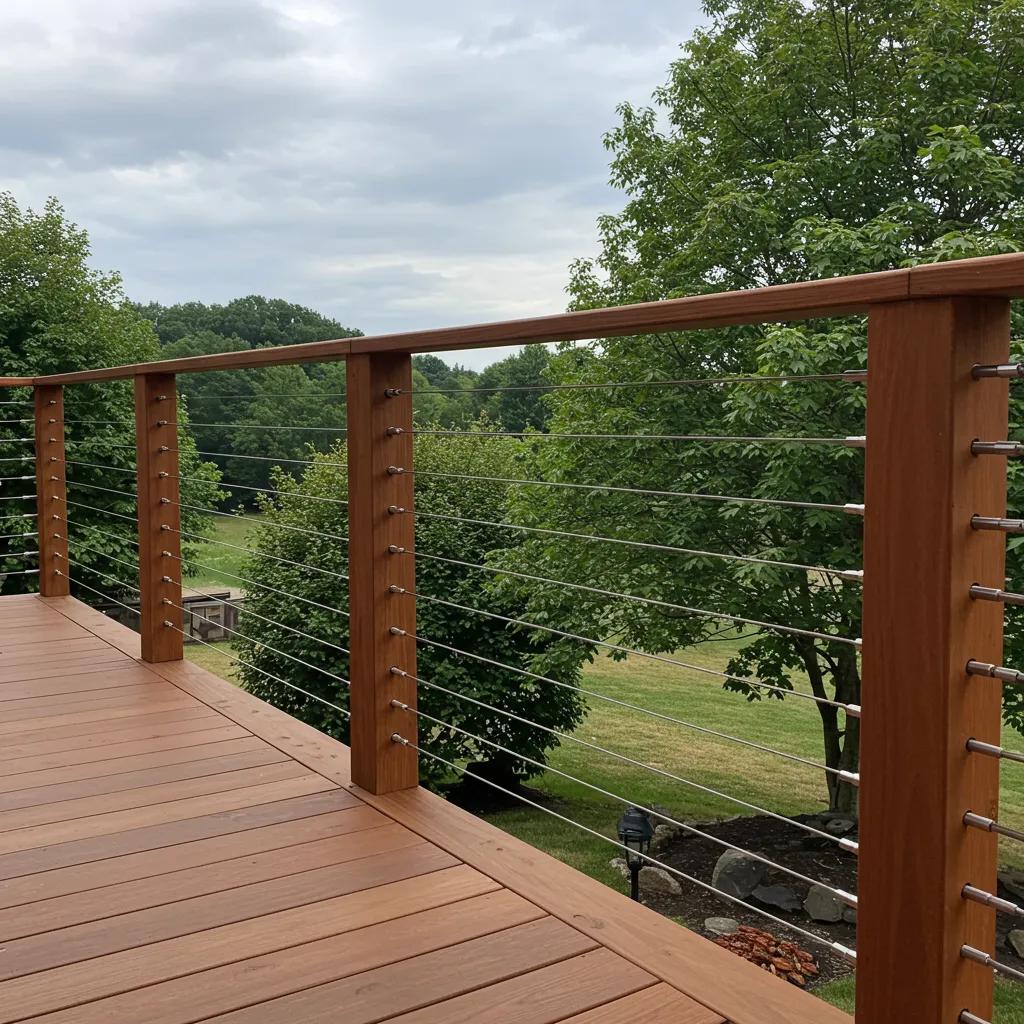
Cable railing systems use taut, slender cables paired with robust posts to create a secure barrier that doesn’t block your sightlines. By combining sturdy posts with stainless steel or aluminum cables, these guardrails provide code-compliant safety while embracing a minimalist look. Imagine a seaside deck with marine-grade cables – it preserves the ocean vista and shrugs off corrosion.
Defining a Cable Railing System
At its core, a cable railing system includes vertical posts, horizontal or vertical stainless steel cables, hardware for tensioning, and a handrail. Posts are anchored securely into the deck or stair structure, cables thread through pre-drilled holes or fittings, and turnbuckles are used to keep everything taut. This setup ensures fall prevention compliance while offering a clean, modern appearance.
Understanding this basic structure naturally leads to exploring why both homeowners and contractors are drawn to cable railings for both new builds and renovations.
What Are the Key Advantages of Cable Railing?
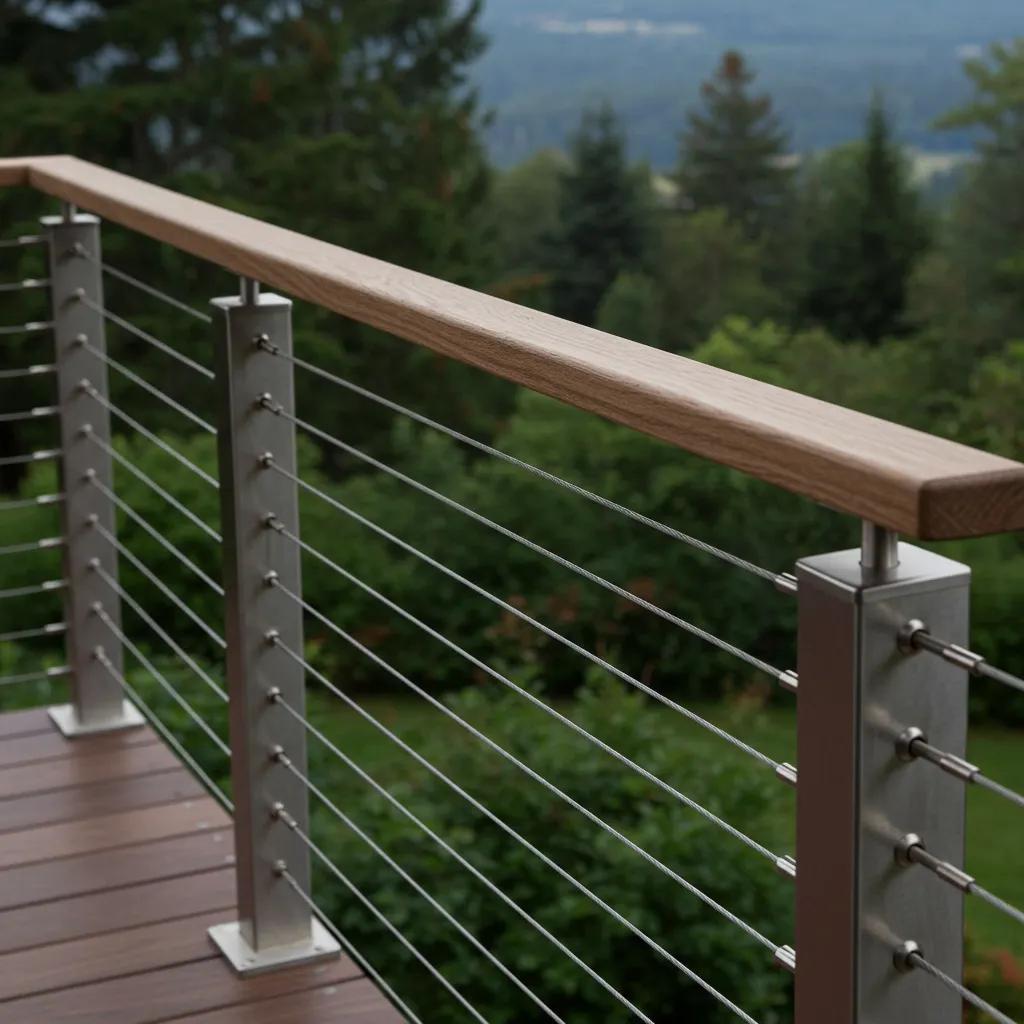
Cable railings offer three main benefits:
- Unparalleled Views – Cables as thin as 1/8 inch maintain expansive sightlines and allow natural light to flood in.
- Built to Last, Easy to Maintain – Marine-grade stainless steel resists rust and holds its tension with minimal fuss.
- Chic, Modern Look – Their sleek lines and metallic finish perfectly complement contemporary architecture.
These qualities make cable railings a top pick for decks, balconies, and stairways where views and style are paramount. Discover more advantages on our website.
What Are the Potential Downsides of Cable Railing?
While cable railings shine in their visual openness, they do come with a few considerations:
- Higher Upfront Cost – The premium materials and specialized hardware mean a larger initial investment.
- Installation Demands Skill – Getting posts perfectly aligned and cables tensioned just right requires precision or professional help.
- Possibility of Sagging – If not adjusted periodically, cables can loosen and droop over time.
Being aware of these points helps with realistic budgeting and planning for long-term care, setting the stage for exploring different system types. Learn how we address these concerns with our expert solutions.
Which Cable Railing Systems Are the Best Fit for Your Project?
Choosing the right cable railing system means considering post materials, cable direction, and application-specific designs that match your site’s conditions and your personal style.
Stainless Steel vs. Aluminum Cable Railings: What’s the Difference?
Stainless steel and aluminum cables present different advantages:
Stainless steel cables resist pitting and staining, especially in salty air, while aluminum offers a more affordable option that still meets most safety standards. Your choice will depend on your environment and long-term cost considerations.
Wood Posts vs. Metal Posts for Cable Railing Systems: A Comparison
The material of your posts impacts the look, installation process, and lifespan:
- Wood Posts offer a warm, natural feel that complements traditional designs but may need regular sealing to ward off decay.
- Metal Posts—typically powder-coated aluminum or stainless steel—provide consistent strength, resist rot, and simplify how cables are attached.
- Composite Posts blend aesthetics with durability but often come with a higher initial price tag.
Understanding these differences helps you select the most suitable structural and visual option for decks, porches, or interior railings.
Horizontal vs. Vertical Cable Railing: Which is Right for You?
The orientation of your cables affects both the style and how easy it is to maintain:
- Horizontal cables create a classic, linear look and are generally simpler to install, though they can catch dust.
- Vertical cables offer a modern, grille-like appearance, require fewer connection points, and are less prone to sagging.
- Both styles meet safety codes when the spacing prevents a 4-inch sphere from passing through.
Choose the orientation that best complements your home’s architecture and your cleaning preferences for optimal form and function.
What Are the Top Cable Railing Choices for Decks, Stairs, and Balconies?
Tailored configurations ensure the best performance for each application:
Matching the material grade and accessory options to the environment and how it will be used guarantees code compliance and a harmonious design.
Find Your Perfect Cable Railing System
Browse our extensive catalog of materials, styles, and configurations to match your project’s unique needs.
Cable Railing Costs: Understanding Pricing and Value
Expect to invest between $75 and $285 per linear foot for installed cable railing, with costs varying based on materials, project complexity, and local labor rates. This investment provides a durable barrier that often outlasts traditional wood or glass alternatives.
What Drives the Cost of Cable Railing per Linear Foot?
Several factors influence the final price:
- Material Choice – Premium marine-grade stainless steel costs more than powder-coated aluminum.
- Dimensions – Longer runs and taller posts require more cables and hardware.
- Design Complexity – Curves, landings, and custom fittings add to labor and material expenses.
- Added Features – Special finishes, decorative post caps, or integrated lighting can increase the budget.
Careful budgeting for these elements helps homeowners and fence contractors accurately estimate total project costs.
How Does DIY Installation Impact Cable Railing Expenses?
Installing cable railing yourself can cut costs by 20–40 percent, but it demands:
- Precision measuring tools and drilling equipment.
- Specialized tensioning tools and turnbuckles.
- A solid understanding of local building codes to avoid costly mistakes.
The savings from a DIY approach must be weighed against your time investment and the potential risks of improper installation or code violations.
Cable Railing vs. Glass Railing: A Price and Value Comparison
Cable railing often presents a more budget-friendly option while significantly reducing the risk of glass breakage. Its slim profile maintains views more effectively, making it a smart, cost-effective choice for large-scale installations. Request a detailed quote for your project.
Your Step-by-Step Guide to Installing Cable Railing
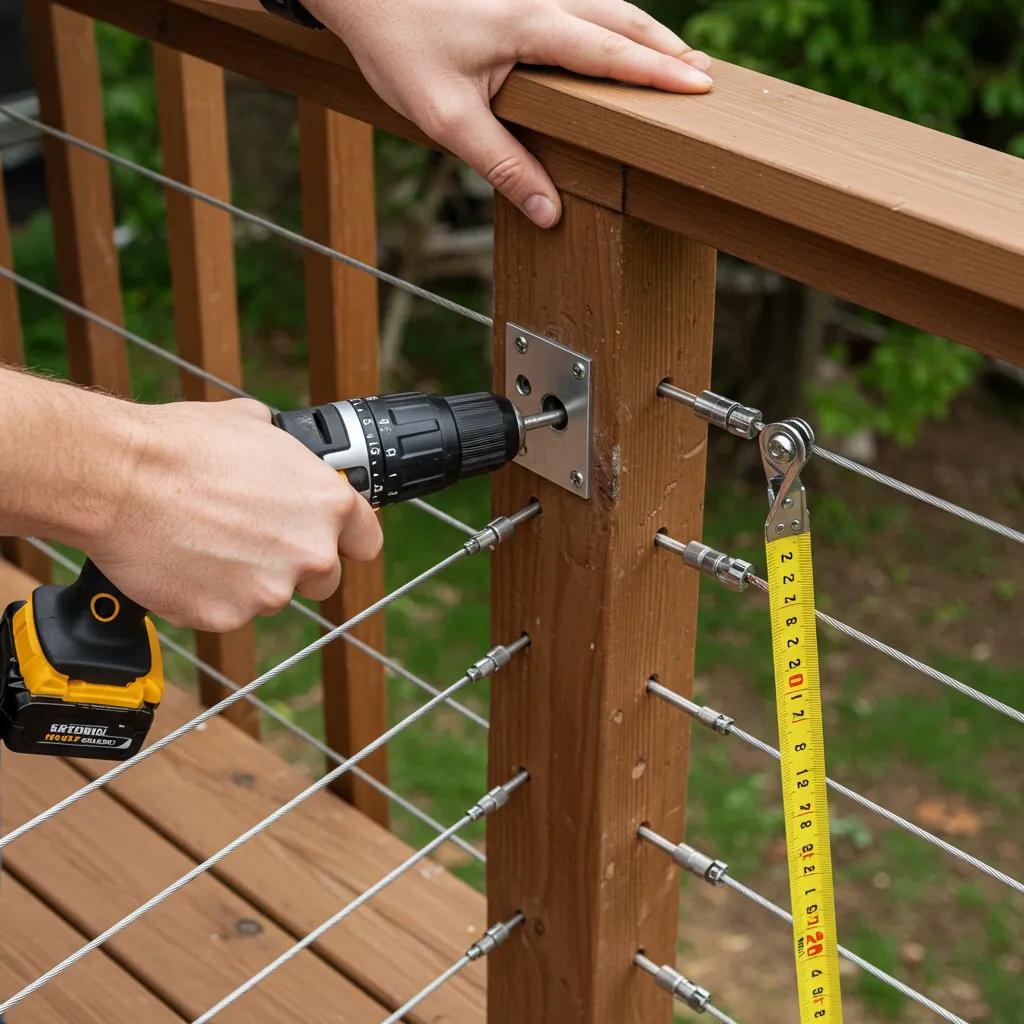
Installing cable railing involves careful planning, preparing your components, and achieving the correct cable tension.
Essential Tools and Components for Cable Railing Installation
For a standard installation, you’ll need:
- Measuring tape and level for precise post placement
- Power drill with the right drill bits
- Cable cutters and a crimping tool for stainless steel cables
- Turnbuckles, end fittings, and terminals for tensioning
- Posts, handrails, and mounting hardware
Having all these tools and supplies ready beforehand ensures a smooth process and a code-compliant result.
Key Steps for Installing Cable Railing on Decks and Stairs
Follow these steps for a successful installation:
- Plan and Mark Post Locations – Position posts according to local code requirements (typically 32″–36″ apart).
- Drill Holes or Attach Fittings – Use a drill guide or the manufacturer’s template for perfectly straight holes.
- Install Posts and Handrail – Securely attach posts to the underlying structure and install the top rail.
- Thread the Cables – Run cables through the posts or fittings in the correct sequence.
- Connect End Fittings – Secure cable ends to the termination posts using swage or screw-in fittings.
- Tension the Cables – Use turnbuckles to apply consistent tension across all cable runs.
- Trim Excess Cable – Cut and crimp any remaining cable for a neat finish.
Executing each step with precision leads to a stable, attractive railing and naturally brings up the importance of building codes in these installations.
How Building Codes Influence Cable Railing Installation
Building codes typically specify:
- Minimum Height – Usually 36 inches for residential decks and 42 inches for commercial spaces.
- Maximum Opening Size – Gaps must be small enough to prevent a 4-inch sphere from passing through.
- Post Spacing – This varies by location but is often between 32″ and 48″ on center.
- Structural Load Requirements – Handrails must withstand a force of 200 pounds horizontally.
Adhering to these codes ensures safety and prevents costly rework after inspection, which leads to the question of when professional help is the best option.
Cable Railing Safety & Codes: The Ultimate Guide
When Is It Best to Hire a Professional for Cable Railing Installation?
Bringing in a professional installer is a smart move when:
- Your project involves complex designs – Think curved staircases, commercial building exteriors, or multi-level decks.
- You’re facing tight deadlines – Experienced crews can finish projects faster and ensure code compliance.
- Warranty requirements are a concern – Many manufacturers require certified installers to keep warranties valid.
- Safety is a top priority – Especially for high-traffic areas, ensuring correct tension and structural integrity is crucial.
Knowing when to delegate installation helps protect safety, maintain warranty coverage, and keep your project on schedule.
Book Professional Installation
Need Expert Installation?
Our certified professionals ensure your cable railing is installed perfectly and to code.
Maintaining Your Cable Railing for Lasting Beauty and Safety
Regular care keeps your cables and posts looking great and functioning perfectly, preventing issues like corrosion and sagging.
Best Practices for Cleaning Stainless Steel and Aluminum Cable Railings
To keep your railings in top condition:
- Rinse with fresh water to wash away dirt and salt residue.
- Use a mild soap and a soft cloth, then rinse thoroughly.
- Apply a specialized stainless steel cleaner to restore shine and remove surface oxidation.
- Inspect posts, brackets, and cables annually for any signs of damage or wear.
Consistent cleaning, combined with proper tensioning, helps prevent future maintenance headaches.
How to Properly Tension Cable Railings to Prevent Sagging
Cables should be taut but not over-stressed:
- Use turnbuckles or tensioners designed for your specific cable size.
- Adjust tension gradually, working from one end to the other to distribute the load evenly.
- Avoid overtightening, which can damage posts or fittings.
- Re-check tension after about six months to account for any settling.
Maintaining consistent tension ensures the system’s stability and makes troubleshooting easier if issues arise.
Common Cable Railing Problems and How to Fix Them
Homeowners and contractors often encounter these issues:
- Loose Cables – Tighten the turnbuckles and ensure swage fittings are securely in place.
- Rust Spots – Remove surface rust with a stainless steel brush and consider applying a protective coating.
- Wobbly Posts – Reinforce the base mounts or replace any corroded hardware.
- Uneven Tension – Loosen all cables and re-tension them one by one to achieve uniformity.
Addressing these problems promptly helps maintain safety and extends the system’s lifespan, which can easily span several decades.
What Is the Typical Lifespan of Cable Railing Systems?
With proper care, marine-grade stainless steel railings can last over 20 years, even in coastal environments, showing minimal corrosion. Aluminum systems can endure for 15–25 years with good maintenance and intact coatings. The specific post material, quality of the finish, and local climate all play a role in the overall longevity.
Understanding the expected service life helps you make informed choices about materials and maintenance schedules for enduring performance. Find maintenance tips and products on our site.
How Long Do Cable Railings Last? A Complete Guide
Exploring the Latest Trends in Cable Railing Design
How Can Modern Cable Railing Elevate Contemporary Home Designs?
Sleek metal cables create a fluid connection between indoor and outdoor living spaces, while posts mounted flush with surfaces and hidden fittings emphasize clean lines. Integrating subtle LED lighting into the top rails adds a touch of ambient light and enhances safety after dark.
These design approaches beautifully merge structure and style, leading us to popular configurations.
What Are Some Popular Styles and Configurations for Cable Railing Systems?
- Flush-mounted posts for a seamless, built-in look.
- Visible fittings in contrasting finishes for an industrial aesthetic.
- Mixed materials, such as combining wood handrails with metal posts.
- Curved railing sections that gracefully follow the lines of rounded decks or staircases.
Choosing a configuration that harmonizes with your home’s architectural details ensures a cohesive and stylish installation.
How Can Lighting Be Incorporated into Cable Railing for Enhanced Appeal?
- LED strips discreetly placed under handrails for soft, continuous illumination.
- Post-cap lights that highlight the posts and cast a downward glow.
- In-rail lighting fixtures that fit into horizontal rails without affecting cable tension.
Integrated lighting transforms railings into functional design features once the sun goes down. Explore our gallery of modern cable railing designs.
Making the Right Choice: Selecting Your Ideal Cable Railing System
How Do Budget, Materials, and Application Influence Your Decision?
Budget – This will guide your choices regarding material quality and the inclusion of accessories. Materials – Select based on your environment (e.g., coastal vs. inland exposure). Application – This dictates post spacing, cable orientation, and structural load requirements.
Balancing these factors leads to a customized solution that meets both your performance needs and aesthetic desires.
How Do Local Building Codes Affect Your Cable Railing Selection?
Local regulations specify minimum heights, allowable gap sizes, and mounting methods. Always confirm your municipal or homeowner association rules before finalizing your plans to avoid costly changes and project delays.
Understanding these regulatory constraints helps steer your choices toward compliant products and qualified installers.
Where Can You Find Reputable Cable Railing Kits and Suppliers?
High-quality kits and components are available from established manufacturers that offer:
- Comprehensive kits including posts, cables, fittings, and all necessary hardware.
- Expert technical support and clear installation guides.
- Warranty protection often backed by certified installer networks.
- Third-party testing results verifying corrosion resistance and load-bearing capabilities.
Vetting suppliers based on their reputation helps ensure you’re getting quality materials and reliable post-purchase support.
Ready to Get Started?
Let us help you design and install the perfect cable railing system for your home or business.
With the insights from this guide, you’re fully prepared to plan, select, install, and maintain a cable railing system that enhances safety, design, and overall value. By clearly defining your project’s needs, comparing materials and styles, budgeting wisely, and following best practices for installation and upkeep, you can look forward to decades of clear views and sophisticated style. Whether you’re embarking on a DIY adventure or collaborating with a fence contractor, these tips will empower you to make informed decisions and achieve a superior outcome that truly stands the test of time.