Fence Installation Near Me: Cost, Types, and Local Services Explained
Installing a new fence near your property can transform privacy, security, and curb appeal—but how much will it cost, and which style suits your local needs? This guide on fence installation near me delivers clear answers on average expenses, material comparisons, professional service features, step-by-step workflows, permit requirements, upkeep strategies, and tips for finding trusted installers. You’ll discover:
- Typical cost ranges per linear foot for wood, vinyl, and chain link options
- Key benefits and drawbacks of each fence type in your climate
- How local contractors ensure quality, compliance, and timely completion
- The precise installation process from consultation to final inspection
- Permit and HOA considerations for smooth approvals
- Maintenance best practices and repair triggers
- Criteria for selecting the best fence installation company nearby
By covering cost benchmarks, material selection, service standards, procedural steps, legal compliance, aftercare, and vendor evaluation, this article equips you to plan and execute a successful fence installation project with confidence.
What Are the Average Fence Installation Costs Near Me?
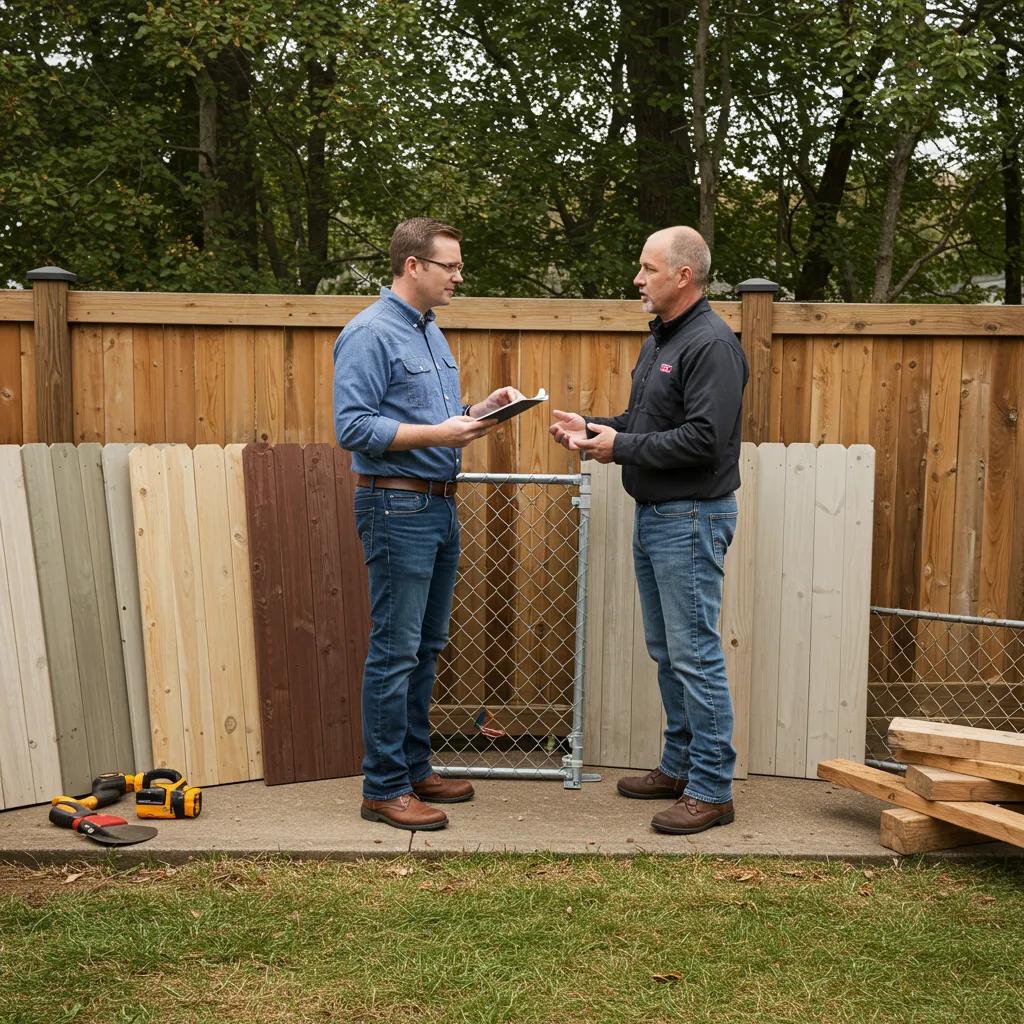
Average fence installation costs near me range from $1,856 to $4,762, depending on fence material, property terrain, and labor rates. This variance reflects differences in wood, vinyl, chain link, and metal pricing, as well as project complexity such as height, gates, and site preparation. For example, installing a 6-foot cedar privacy fence around a 100-foot perimeter typically falls between $2,300 and $3,200, combining material quality and local labor. Understanding these ranges helps homeowners budget accurately and compare quotes effectively.
Below is a cost breakdown for common fence types per linear foot:
These ranges illustrate how material choice impacts both initial investment and long-term value. With this context in mind, you can evaluate specific material costs and installation factors in your area.
How Much Does Wood Fence Installation Cost Per Linear Foot?
Wood fence installation typically costs between $25 and $45 per linear foot, influenced by wood species, board thickness, and post spacing. Cedar and redwood command higher prices for their natural rot resistance and pleasing grain, while pine offers a budget-friendly option at the lower end of the range. Labor rates factor in tasks like post digging, concrete setting, and board attachment. A custom picket design or decorative trim can increase cost by 15–25%, but adds significant curb appeal and resale value.
These pricing elements mean a straightforward pine privacy fence may cost around $3,750 for 150 linear feet, whereas a premium cedar privacy fence can run $6,750 for the same length, including installation. Recognizing these variables ensures you receive targeted wood fence quotes that match your design expectations and budget.
What Is the Vinyl Fence Cost Per Linear Foot and Its Value?
Vinyl fence installation averages $25 to $60 per linear foot, encompassing post anchors, panels, and fittings. PVC vinyl resists rot, pests, and fading, translating into minimal maintenance and a longer lifespan compared with wood. Color-matched gate hardware and reinforced posts add stability, with premium styles such as wood-grain textures at the higher end of the spectrum. Vinyl panels often come with lifetime material warranties, which can offset upfront costs.
For a 6-foot privacy vinyl fence, expect $3,750 to $9,000 for 150 linear feet installed. While initial expenses may exceed basic wood, long-term savings on staining, painting, and repairs make vinyl a cost-effective solution in many climates.
How Much Does Chain Link Fence Installation Cost Near Me?
Chain link fence installation costs typically fall between $10 and $20 per linear foot, depending on gauge (thickness), mesh size, and coating (galvanized vs. vinyl-coated). Galvanized steel at 11-gauge offers basic durability, while heavier gauges and colored vinyl coatings enhance security and curb appeal. Post spacing, terrain difficulty, and gate inclusion also shape the final price.
A standard 4-foot galvanized chain link runs about $1,500 to $3,000 for 150 linear feet, whereas an 8-foot vinyl-coated security fence may reach $3,000 to $4,800 for the same length. This affordability makes chain link ideal for budget-conscious projects requiring reliable boundary definition without extensive maintenance.
What Factors Influence Overall Fence Installation Prices?
Several attributes drive the final cost of fence installation:
- Material Selection – Wood, vinyl, chain link, aluminum, or steel each carry unique price points.
- Labor Rates – Local contractor fees vary by region, expertise, and project complexity.
- Fence Height and Length – Taller or longer fences require more materials and labor.
- Gate Quantity and Style – Decorative or automated gates increase hardware and installation time.
- Site Conditions – Rocky soil, slope grading, and obstructions add preparation costs.
These factors interplay to determine your precise quote. Requesting detailed line-item estimates helps you identify cost drivers and make informed trade-off decisions.
How Can I Get Accurate Local Fence Installation Estimates?
Securing precise local estimates involves:
- Scheduling On-Site Consultations with at least three licensed installers
- Providing Detailed Specifications by marking property lines and desired fence style
- Requesting Itemized Bids that separate materials, labor, permits, and gate costs
- Verifying Local Credentials to ensure contractors understand area regulations
- Comparing Warranties and Timelines to assess long-term value and project duration
By following these steps, you’ll obtain transparent, comparable quotes that align with local conditions and compliance requirements.
Which Fence Types Are Best for Installation Near Me?

Selecting the optimal fence type requires balancing functionality, aesthetics, maintenance, and regional climate. Factors such as privacy needs, property style, weather exposure, and homeowner association rules guide material choice. Reviewing the strengths of wood, vinyl, chain link, aluminum, and metal options enables you to match design preferences with performance requirements in your locale.
What Are the Benefits of Wood Fences for Local Properties?
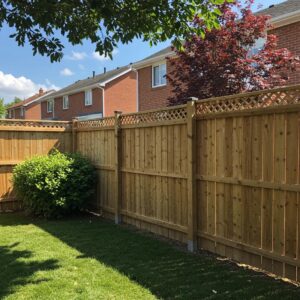
Wood fences offer natural warmth, customizable designs, and easy onsite modifications. Cedar and redwood resist rot and insects, while pine provides an affordable base for staining or painting. Wood absorbs wind noise and delivers strong privacy, making it ideal for suburban yards. Routine sealing every 2–3 years maintains durability and color. Homeowners often appreciate wood’s ability to blend with landscaping and architectural styles, creating a cohesive outdoor environment.
Despite periodic maintenance, wood’s classic appeal and structural adaptability make it a popular choice where natural materials align with neighborhood character.
Why Choose Vinyl Fences for Low-Maintenance Solutions?
Vinyl fences excel in environments prone to moisture, termites, or UV exposure. PVC panels never warp or splinter, eliminating the need for staining or repainting. A quick wash with mild detergent restores brightness, and built-in UV inhibitors prevent fading. Vinyl accommodates privacy and picket styles, with color options that suit modern and traditional homes. The minimal upkeep cost and long manufacturer warranties yield significant lifecycle savings compared to wood.
For busy households or rental properties, vinyl’s hands-off maintenance offers lasting curb appeal and functionality.
When Is Chain Link Fence Installation Ideal?
Chain link fencing provides a cost-effective boundary solution for yards, sports courts, and commercial lots. Its open weave allows visibility and airflow, which suits pet enclosures and utility areas. Zinc-galvanized coatings resist corrosion, and optional vinyl coatings add aesthetic variety. Chain link performs well on uneven terrain due to flexible mesh, reducing grading expenses. Quick installation and low material cost make it a go-to for budget-minded projects requiring basic security.
When privacy is secondary but durable perimeter definition is crucial, chain link stands out as an efficient choice.
What Are the Advantages of Aluminum and Metal Fences Near Me?
Aluminum fences blend ornamental elegance with rust-proof performance. Powder-coated finishes withstand coastal salt air and heavy rainfall. Slim profiles provide unobstructed sightlines, making aluminum popular for pool enclosures where visibility and safety compliance matter. Steel options add strength for security applications, with decorative pickets and finials boosting curb appeal. Aluminum installations often require minimal ground disturbance, reducing site prep time.
Metal fences deliver a balance of style, durability, and regulation-friendly designs for upscale and functional installations.
How Do Local Climate and Regulations Affect Fence Material Choice?
Regional weather patterns—extreme heat, freeze-thaw cycles, or high humidity—dictate material resilience requirements. Coastal zones favor corrosion-resistant vinyl and aluminum, while dry inland climates support wood aesthetics with less maintenance. Local building codes may limit fence height, specify setback distances, or restrict materials in historic districts. Homeowner associations often mandate color palettes and transparency levels. Consulting local installers ensures compliance and material recommendations tailored to your community’s guidelines.
Aligning material selection with climate and regulations safeguards both performance and approval.
How Do Local Fence Installation Services Ensure Quality and Satisfaction?
Professional fence installers deliver consistent results by combining licensed expertise, structured processes, and customer-focused policies. Their UVPs include deep knowledge of local codes, premium materials sourcing, precise installation techniques, and robust warranties. Understanding what distinguishes reliable contractors helps homeowners select partners who prioritize craftsmanship, permits, and clear communication from start to finish.
What Makes a Professional Fence Installer Near Me Reliable?
Reliable installers maintain valid licenses, carry insurance, and showcase portfolios of completed projects. Customer reviews and local references attest to on-time delivery and attention to detail. Technicians trained in best practices ensure accurate post depths, level line work, and secure fasteners. Transparent contracts outline scope, schedules, and payment milestones, reinforcing trust and minimizing disputes.
These credentials and processes signal a contractor’s commitment to quality and homeowner satisfaction.
How Do Local Experts Handle Permits and HOA Regulations?
Experienced installers coordinate permit applications by preparing site plans, material specifications, and structural diagrams. They submit documentation to planning departments and follow up with inspections until approval. When HOA guidelines apply, installers review restriction covenants, present design samples, and secure written sign-offs before commencing work. This proactive approach avoids costly rework and legal delays.
By managing regulatory obligations, professional teams keep projects on schedule and compliant.
What Warranty and Maintenance Services Are Offered?
Top installers back labor and materials with warranties ranging from one year on workmanship to lifetime coverage on products. They provide maintenance agreements for sealant reapplications, hardware lubrication, and post alignment checks. Service plans often include priority scheduling, discounted repairs, and periodic inspections, ensuring fences retain structural integrity and visual appeal over time.
Comprehensive warranty and upkeep services deliver peace of mind long after installation concludes.
How Do Fence Installers Ensure Timely and Efficient Project Completion?
Structured project management—with detailed timelines, daily progress updates, and material staging—keeps installations on track. Crews follow optimized workflows: site preparation, post setting, panel attachment, gate integration, and final cleanup. Efficient coordination of permits, inspections, and deliveries minimizes downtime. Installers often reserve buffer days for weather or supply delays, communicating any adjustments proactively.
This disciplined execution reduces surprises and ensures on-budget, on-time fence installations.
What Is the Step-by-Step Fence Installation Process Near Me?
Fence installation follows a systematic process that transforms design concepts into sturdy boundaries. From the initial consultation to the final walkthrough, each phase builds on the previous one to deliver a secure, well-aligned fence tailored to your property’s layout and local requirements.
How Is the Initial Consultation and Property Assessment Conducted?
During consultation, installers evaluate site conditions, identify obstacles, and confirm property lines. They discuss design preferences—privacy panels, picket spacing, gate placement—and review material samples. Installers measure terrain slope and soil type to determine post depth requirements. Homeowners receive a detailed proposal outlining project scope, cost estimate, and timeline. This collaborative planning stage sets clear expectations and informs permit applications.
A thorough assessment ensures the chosen fence design aligns with functional needs and site realities.
What Does Site Preparation and Post Setting Involve?
Site preparation begins with clearing vegetation and marking post locations. Trenches are dug using augers, with post holes typically 24–36 inches deep for 6-foot fences. Installers place posts in concrete footings, ensuring plumb alignment and correct spacing. Concrete cures for 24–48 hours before panel attachment, providing foundational stability. On sloped lots, installers implement stepped or racked rail techniques to maintain consistent heights.
Proper post setting underpins long-term fence strength and alignment accuracy.
How Are Fence Panels and Gates Installed Professionally?
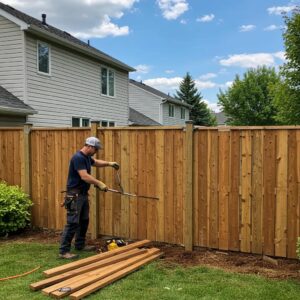
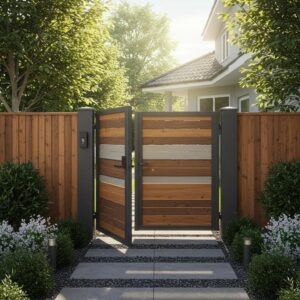
Once posts are secure, installers attach rails and panels using corrosion-resistant fasteners or bracket systems. Panels are leveled continuously to prevent sag. Gate frames receive reinforced posts and precision hardware for smooth operation. Hinges, latches, and self-closing mechanisms are tested and adjusted. Installers ensure gates swing freely without binding and align with adjacent panels for seamless appearance.
Professional panel and gate installation deliver both visual harmony and reliable functionality.
What Should I Expect During Final Inspection and Cleanup?
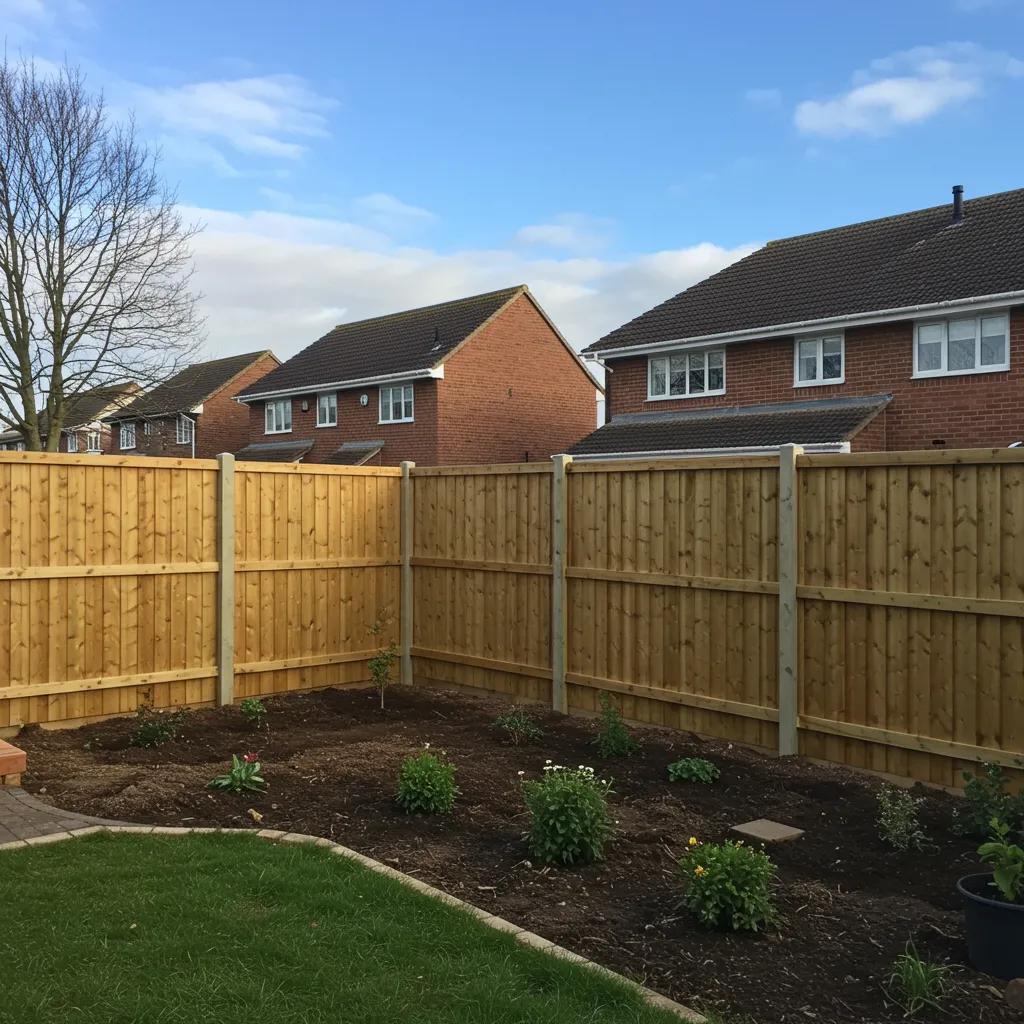
At project completion, installers conduct a walkthrough to verify fence plumbness, gate operation, and finish quality. They remove debris, trim excess concrete, and restore landscaping disrupted during construction. Homeowners receive care instructions, warranty documentation, and contact details for future service. A signed acceptance confirms satisfaction and project closure.
This final review ensures the fence meets design specifications and customer expectations.
How Do Local Regulations and Permits Affect Fence Installation Near Me?
Fence projects must comply with municipal codes, setback requirements, and height restrictions to avoid fines and forced removal. Understanding when permits and HOA approvals are required and how installers assist with documentation prevents costly delays and ensures legal adherence throughout the installation process.
When Is a Fence Permit Required in My Area?
Fence permits typically become mandatory for fences over 6 feet tall, masonry or concrete structures, or front-yard installations adjacent to public right-of-way. Municipal authorities set permit fees based on fence height and material, usually ranging from $50 to $300. Some jurisdictions also require engineered drawings for retaining wall fences. Confirming local criteria before ordering materials streamlines the permit application.
Knowing permit thresholds protects your investment and avoids retroactive compliance costs.
How Do I Apply for a Fence Permit Near Me?
To apply, submit a site plan showing fence layout, height dimensions, material specifications, and property line setbacks. Permit offices may require proof of property ownership and contractor information. After fee payment, planning staff review compliance within 10–15 business days. Inspectors verify compliance during and after installation. Engaging installers who handle submissions and inspections simplifies the process.
Professional support reduces paperwork burdens and accelerates approval timelines.
What Are Common HOA Rules Affecting Fence Installation?
HOA covenants often dictate allowable fence materials, colors, height limits, and transparency levels. Many associations require pre-approval of design mockups and may restrict ornamental features or gate styles. Homeowners must submit architectural review forms and await written consent before proceeding. Failure to comply can trigger fines or mandated fence removal. Collaborating with installers experienced in HOA guidelines ensures design proposals meet community standards.
Aligning with HOA criteria avoids disputes and preserves neighborhood harmony.
How Do Local Installers Assist with Regulatory Compliance?
Experienced fence installers prepare and submit all required documentation—site plans, material specs, contractor licenses—and track permit status. They coordinate inspector visits and adjust installations to address any code violations promptly. When HOA approvals are needed, installers supply architectural renderings and communicate revisions. This turnkey compliance service frees homeowners from administrative complexity.
Installer-managed compliance accelerates approvals and maintains project momentum.
How Can I Maintain and Repair My Fence After Installation Near Me?
After installation, regular maintenance preserves fence integrity and appearance for years. Proactive repairs address emerging issues before they escalate. Understanding optimal upkeep routines for wood, vinyl, and metal fences and recognizing when to call professionals helps you protect your investment and avoid premature replacements.
What Are Best Practices for Wood Fence Maintenance?
Wood fences benefit from annual inspections for loose boards, rot, and insect damage. Cleaning with a mild detergent and rinsing removes dirt and mildew. Applying a water-repellent sealer or stain every 2–3 years shields wood from moisture and UV exposure. Tightening screws, replacing damaged pickets, and resetting leaning posts keeps the structure sound. Addressing minor repairs promptly prevents widespread deterioration.
Consistent maintenance extends wood fence life and maintains aesthetic appeal.
How Do I Care for Vinyl and Metal Fences to Extend Lifespan?
Vinyl fences require occasional washing with a soft brush and mild soap to remove grime. Inspect for cracks or chipped coatings in vinyl-coated chain link and touch up with matching paint if needed. Aluminum and steel fences benefit from rust-inhibiting sprays on exposed hardware and hinge points. Lubricating gate hardware annually ensures smooth operation. These minimal tasks preserve finish and function for decades.
Routine, low-effort care sustains the durability advantages of vinyl and metal fences.
What Are Common Fence Problems and How Are They Fixed?
Leaning posts often result from soil erosion or insufficient footing depth; resetting and re-concreting posts corrects the alignment. Broken panels or pickets can be replaced individually without full fence removal. Rust spots on metal fences require sanding, priming, and repainting. Gate sag is remedied by reinforcing hinges or replacing warped posts. Promptly resolving these issues prevents more costly structural failures.
Understanding these repair methods empowers homeowners to tackle minor fixes or engage professionals before damage spreads.
When Should I Consider Professional Fence Repair Services Near Me?
Professional fence repair is warranted when structural instability, widespread rot, or complex gate hardware failures occur. Technicians can assess foundation issues, source matching materials, and execute specialized repairs—such as post underpinning, panel re-racking on slopes, or motorized gate maintenance. Cost-effective repair plans often include inspection guarantees and preventive treatments. Engaging experts for significant damage restores fence functionality and prolongs service life.
Timely professional intervention safeguards your fence investment against progressive deterioration.
Where Can I Find the Best Fence Companies Near Me?
Selecting a reputable local installer involves evaluating credentials, experience, and customer feedback. The right company offers transparent bids, robust warranties, and proven expertise in your preferred fence materials and designs. By asking targeted questions and reviewing portfolios, you’ll choose a partner capable of delivering exceptional results tailored to your property’s requirements.
How Do I Choose a Trusted Fence Installation Company Locally?
Look for companies with active business licenses and insurance certificates. Review portfolios showcasing completed projects similar to your scope—privacy panels, ornamental gates, commercial perimeter fencing. Check third-party platforms for verified customer reviews highlighting workmanship, communication, and on-time delivery. Ensure installers carry manufacturer certifications for specialized materials like vinyl or aluminum. Such credentials indicate technical proficiency and commitment to quality.
These vetting steps help you identify contractors whose track record aligns with your project goals.
What Questions Should I Ask Before Hiring a Fence Installer?
- What warranties do you offer on materials and labor?
- Can you provide a detailed, itemized estimate?
- How do you handle permits and inspections?
- What is your project timeline and scheduling policy?
- Do you have examples of recent installations in my neighborhood?
How Do Local Companies Differentiate Their Fence Installation Services?
Leading installers emphasize unique offerings such as in-house design teams, proprietary post-setting techniques, eco-friendly material options, or integrated smart-fencing systems. Some provide drone-surveyed site assessments for precision layouts, while others partner with suppliers to offer specialty wood or custom-fabricated metal panels. These distinctive capabilities translate into tailored solutions and smoother project execution.
Identifying such differentiators reveals the added value each company brings to your fence project.
How Can I Request a Free Quote or Consultation From Local Fence Experts?
Most installers offer complimentary on-site assessments—simply call or submit an inquiry form detailing your property size and desired fence style. During the visit, technicians measure boundaries, discuss material options, and review regulatory considerations. You’ll receive an itemized proposal within days, outlining costs, schedules, and warranty terms. This no-obligation consultation empowers you to compare competitive bids and choose the optimal installer for your needs.
Taking advantage of free consultations ensures you gather comprehensive bids before making a final decision.
Discovering the right fence installation partner and understanding every aspect—from cost and materials to process and compliance—lays the foundation for a secure, attractive, and long-lasting perimeter. With this guide as your roadmap, you can confidently plan, execute, and maintain your ideal fence installation near you.