A security door can look solid and still leave a property exposed if the frame, hinges, screen, or wall anchors are weak. That is why a useful security door material guide looks beyond appearance. For Los Angeles homeowners, landlords, and business owners, the right material needs to fit the entry, the level of security needed, the local weather, and the look of the property.
A well-built security door should add a real layer of protection without making the entrance feel closed off. The best choice is rarely just the heaviest metal. It is the material and construction that work together, installed correctly and built to hold up over time.
Security Door Material Guide: Start With the Right Priorities
Before choosing a material, think about what the door needs to do. A front entry at a single-family home may need visibility, ventilation, and a design that complements the exterior. A rear service entrance, rental property, or commercial building may place more value on impact resistance, controlled access, and low maintenance.
Material matters, but the complete system matters just as much. A strong door installed in a light-gauge frame or anchored poorly into stucco and framing will not perform as intended. Likewise, a decorative door with wide openings may improve curb appeal but offer less protection than a tighter design with reinforced mesh.
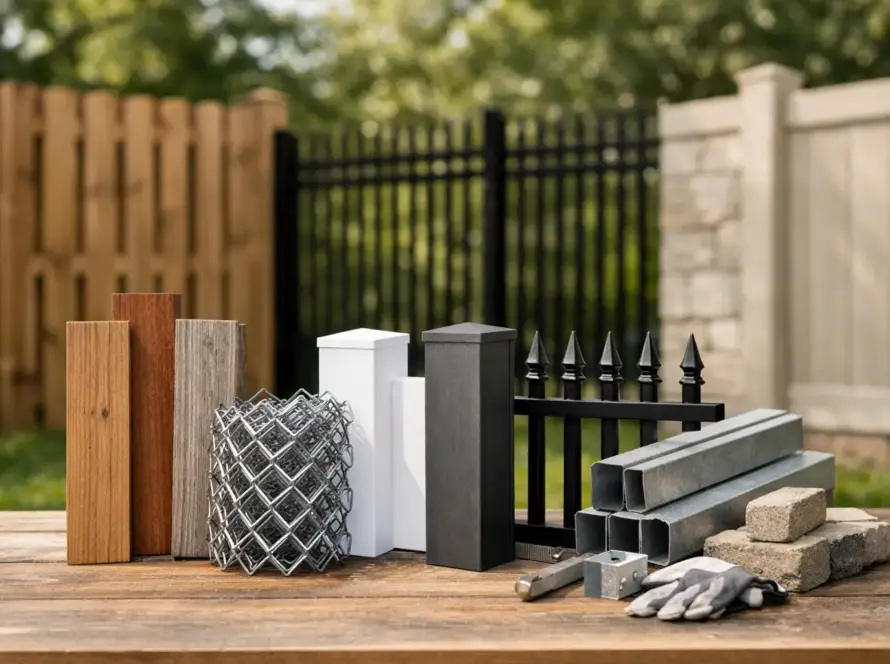
For most projects, the decision comes down to steel, aluminum, iron, or stainless steel components. Each has clear advantages and trade-offs.
Steel: Strong, Practical, and Widely Used
Steel is often the most practical choice when security is the main goal. It has high strength, resists bending, and can support reinforced frames, tamper-resistant hinges, and heavier locking hardware. For side doors, rear entries, utility areas, and commercial access points, steel provides the solid feel many property owners want.
Galvanized steel is especially valuable because the zinc coating helps protect the metal from corrosion. A quality powder-coated finish adds another layer of defense and gives the door a clean, consistent color. This matters in Southern California, where sun exposure, coastal moisture in some areas, and daily temperature changes can wear down poorly finished metal.
Steel does have a few considerations. It is heavier than aluminum, so it needs properly sized hinges and reliable anchoring. If the coating is scratched, exposed steel can eventually rust. Regular checks for chips, surface damage, and worn weatherstripping will help maintain the door’s appearance and performance.
For property owners looking for a strong balance of security, durability, and cost, galvanized, powder-coated steel is often the best starting point.
Aluminum: Lightweight and Corrosion Resistant
Aluminum security doors are a good fit where low weight and corrosion resistance are priorities. They do not rust like untreated steel, making them easier to maintain in damp conditions or near the coast. Aluminum can also be fabricated into clean, modern profiles that work well with contemporary homes and storefronts.
The trade-off is strength. Aluminum is lighter and generally easier to dent or flex than steel when the design uses thin sections. That does not make aluminum a poor choice, but it means the door should be well engineered. Look for reinforced corners, substantial framing, quality hinges, and a security screen or panel system designed for the level of protection required.
Aluminum works well for many residential front doors, especially when homeowners want airflow and visibility without the weight of a heavy steel door. It can also be a sensible option for areas where frequent moisture would make neglected steel a concern.
Iron: Custom Character With Serious Weight
Iron security doors are chosen as much for appearance as for protection. They can be custom fabricated with scrollwork, geometric patterns, arched tops, or simple modern lines. On homes with traditional, Mediterranean, Spanish, or custom architectural details, iron can create an entry that feels intentional rather than added on.
When properly fabricated, iron is strong and durable. Its weight and rigidity can make it an effective security material, particularly when paired with a reinforced frame and quality hardware. Custom fabrication also allows the door design to fit unusual openings, sidelights, or existing gates and railings.
Iron requires consistent finish protection. Without proper priming, powder coating, and maintenance, rust can develop at welds, joints, and chipped areas. This is not a reason to avoid iron. It is a reason to choose a contractor that prepares the metal correctly and explains what maintenance will be needed. A well-finished iron door can remain attractive for years, but it should be inspected periodically rather than ignored.
Stainless Steel: Excellent Corrosion Resistance at a Higher Cost
Stainless steel is highly resistant to corrosion and performs well in demanding environments. It is a strong choice for exposed commercial applications, coastal properties, and locations where appearance needs to stay clean with minimal upkeep. Depending on the grade and finish, stainless steel can offer a crisp, modern look that suits offices, multifamily buildings, and contemporary homes.
The main drawback is cost. Stainless steel materials and fabrication are usually more expensive than standard steel or aluminum. It can also show fingerprints and surface marks, particularly on polished finishes. For many residential projects, galvanized and powder-coated steel provides excellent value without the higher price of stainless.
Stainless steel makes the most sense when corrosion resistance is a major concern or when the building design calls for its distinct appearance. It is not automatically the best option simply because it costs more.
The Screen or Infill Is Part of the Security Decision
Many security doors include a screen, perforated panel, glass section, or decorative bars. This area deserves as much attention as the door frame. A standard insect screen provides ventilation, but it is not a security feature. It can be cut or pushed through easily.
For an entry that needs airflow and protection, consider a purpose-built security mesh or perforated metal panel. The right option depends on how much visibility and ventilation you want. Tighter mesh can help deter tampering while still allowing air to move through, while decorative bars may offer a more traditional look with wider views.
Glass can be used in a security door, but it should be selected carefully. Tempered or laminated safety glass offers better performance than basic glass, yet the surrounding frame, stops, and locking system still determine how secure the assembly is. Large glass areas may be appropriate for a protected front entry, but they are not always the best fit for a vulnerable side or rear door.
Hardware and Installation Can Make or Break the Door
A door’s material cannot compensate for weak hardware. A quality security door should have heavy-duty hinges, preferably positioned or protected to reduce tampering from the outside. The lock area should be reinforced so it cannot be easily pried or crushed, and the strike should be secured to solid framing rather than only surface trim.
The frame needs to be strong enough to match the door. It should be anchored into the correct structural material, not simply fastened into weak stucco or a deteriorated wood jamb. On older Los Angeles properties, an on-site assessment is especially useful because openings are not always square, walls may have been modified, and existing frames can hide damage.
Proper clearance is also important. A security door should open and close smoothly without dragging, bind-free around the latch, and allow the primary entry door to operate normally. If it blocks emergency egress, interferes with a walkway, or creates an access issue for tenants, the installation needs to be rethought before fabrication begins.
Matching Material to the Property
For a typical home entry, powder-coated steel or aluminum can provide a clean, secure result, depending on the desired weight and design. For a custom statement entrance, iron offers more decorative flexibility. For commercial or highly exposed locations, steel remains a dependable workhorse, while stainless steel may justify its cost where corrosion resistance is critical.
Property managers should also consider repairability and consistency. A durable steel door with a standard finish may be easier to maintain across several units than a highly decorative design with specialized parts. Business owners may prioritize visibility through the door, staff access, and compatibility with existing locks or access-control systems.
The best material is the one that solves the actual problem without adding unnecessary cost or maintenance. A clear estimate should explain the material, finish, frame construction, mesh or panel choice, hardware, and installation approach. That makes it easier to compare options fairly instead of choosing based on a photo alone.
A security door should feel like a permanent improvement, not a temporary barrier. Choose a material that fits the exposure, the opening, and the way the property is used, then make sure the fabrication and installation are built to the same standard.